How Is Snowfall Measured? What It Involves
Snowfall is measured by taking measurements of the accumulated snow on a flat, undisturbed surface. The most common method uses a ruler or a snow board to check the depth. We’re talking about the amount of snow that has fallen, not how deep it is after melting or compacting.
Understanding snowfall measurements helps us prepare for winter weather. It’s important for everything from planning travel to managing resources. Many weather services use these measurements to issue warnings and track climate patterns. Accurately measuring snowfall tells a bigger story about our changing weather.
- Snowfall is measured by depth on a flat surface.
- Special tools like snow boards are often used.
- This helps track weather and plan for conditions.
- It’s about fresh snow, not melted or packed snow.
Let’s walk through exactly how snowfall is measured and what goes into getting those numbers right.
Understanding Snowfall Measurements: What’s Involved
Measuring snowfall might seem straightforward, but there’s a bit more to it than just sticking a ruler in the snow. We’re talking about capturing the raw, fallen snow. This helps meteorologists track storms. It also helps communities prepare for winter impacts.
How the Pros Measure Snowfall
Weather services have specific methods. They aim for accuracy and consistency. This ensures data is comparable across different locations. It’s not just about one person’s backyard measurement.
The Role of the Snow Board
You might see pictures of meteorologists with a flat board. This is called a snow board. It’s a crucial tool for getting good data. A standard snow board is usually a flat, square piece of wood or plastic. It has a dark color, often black or dark blue. This helps the snow stand out clearly.
Why a Snow Board is Important
Why use a special board? It provides a nice, flat, and undisturbed surface. This is key. Imagine measuring snow on a lumpy lawn. You’d get a very different reading than on a smooth surface. The dark color also helps with visibility. Snow is white, so it contrasts well with a dark background.
Placement and Observation
Snow boards are typically placed in open areas. This means away from buildings, trees, or other obstructions. These things can affect how snow falls and accumulates. The board is left out for the duration of a snowfall. Observers then measure the depth on the board. This measurement represents the fresh snowfall.
Using a Ruler: The Everyday Method
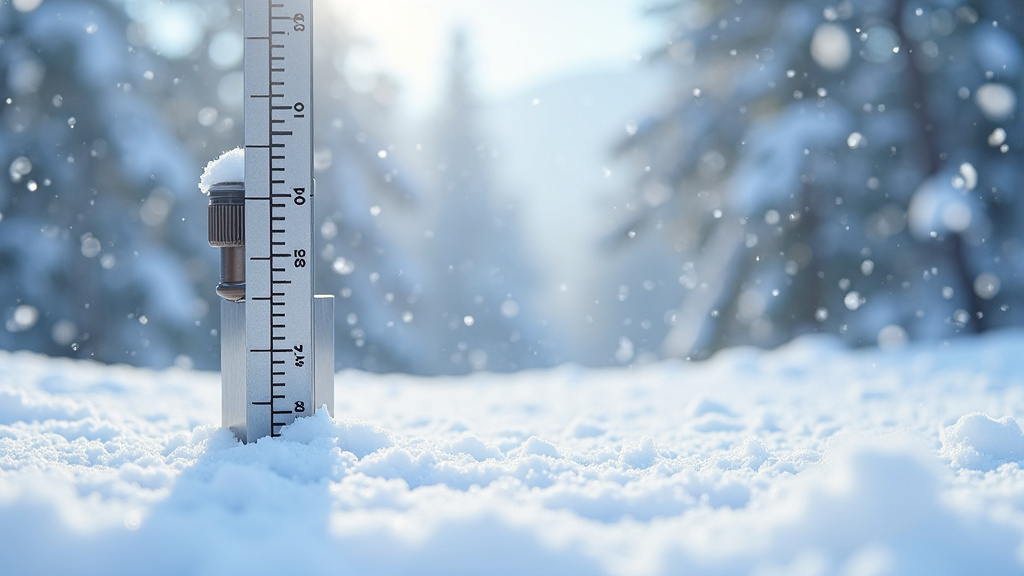
For most of us, a simple ruler works just fine. You can use a standard yardstick or a meter stick. The goal is the same: find an area with undisturbed snow. This means no one has walked on it, shoveled it, or driven over it.
Finding the Right Spot
Look for a level patch of ground. Your lawn, a patio, or even a clear section of sidewalk can work. Avoid areas where snow might drift. Wind can pile snow up in some places. It can blow it away from others. You want a representative sample of what fell.
Taking the Measurement
Hold the ruler vertically. Push it straight down into the snow until it hits the ground. Note the depth of the snow on the ruler. If you’re measuring multiple times during a storm, you’ll need to keep track. You’ll add up the new snow each time.
How to Track Multiple Snowfalls
Storms often come in waves. You might get a few inches, then a break, then more snow. It’s important to measure each time the snow stops or changes. This gives you a true total of the new snow. It’s not just the final depth on the ground.
Resetting Your Measurement
After measuring, some people carefully remove the snow from their measuring spot. This way, the next measurement is of fresh snow falling on a bare surface. Others use a dedicated snow board. They simply measure the depth of the new snow that has fallen on top of the old snow. The key is to distinguish between new snow and previously fallen, possibly compacted snow.
Distinguishing New Snow vs. Settled Snow
This is a really important point. Snowfall is measured by the amount that actually falls. It’s not the depth of snow after it has melted, settled, or been compressed. Think about a fluffy snow blanket versus a hard, icy patch.
Why the Difference Matters
Freshly fallen snow is light and airy. It takes up a lot of space. As time passes, or if weight is added, it compacts. It settles. The water content doesn’t change, but the volume does. Weather services want to know how much snow fell, not how much water is in the snowpack. This tells us about the intensity of the storm.
Water Content: A Different Measurement
Sometimes, you might hear about the water equivalent of snow. This is different from snowfall depth. Meteorologists can melt a sample of snow to find out how much water it contains. A common rule of thumb is that 10 inches of fresh snow might melt down to about 1 inch of water. However, this can vary a lot based on the snow’s density. Lighter, fluffier snow has less water than wet, heavy snow.
| Type of Measurement | What It Represents | How It’s Measured |
|---|---|---|
| Snowfall Depth | The depth of newly fallen snow. | Ruler or snow board in an open, flat area. |
| Snowpack Depth | Total depth of snow on the ground. Includes old and new snow, compacted. | Measuring the accumulated snow layer. |
| Snow Water Equivalent (SWE) | The amount of liquid water if the snow were melted. | Melting a measured sample of snow. |
Factors That Can Affect Measurements
Even with the best tools and methods, some things can make measuring tricky. Understanding these helps you get a more accurate picture.
Wind: The Snow Drifter
Wind is a major factor. Strong winds can blow snow around. This creates drifts. In some spots, snow might pile up several feet high. In other spots nearby, there might be very little snow. This is called blowing snow. It’s hard to get a single, accurate measurement in such conditions.
For official measurements, meteorologists try to find a spot protected from the wind. They might use averaging techniques. They take measurements in several spots. This helps to get a more representative figure. For your home measurements, try to find a sheltered spot.
Temperature: The Great Melter
If temperatures are warm, snow might melt as it falls. This is especially true near freezing. Wet snow can also stick to surfaces. This can make it seem like more snow has fallen than actually has. Cold temperatures mean drier, fluffier snow. It tends to blow around more easily but doesn’t melt as readily.
Surface Type: The Slippery or Sticky Issue
Measuring on different surfaces presents challenges. Snow might melt faster on a dark driveway than on grass. It might stick to a rough surface more than a smooth one. That’s why a flat, consistent surface like a snow board is ideal for professional measurements. For personal use, try to measure on a surface that doesn’t drastically affect the snow.
Why Accurate Snowfall Tracking is Important
Tracking snowfall isn’t just about satisfying curiosity. It has real-world applications. It helps us stay safe and prepared.
Winter Storm Warnings and Advisories
Meteorologists use snowfall totals. They issue warnings for heavy snow. These help people know when to stay home. They help travelers know when roads might be dangerous. Understanding expected snowfall helps emergency services plan.
Understanding Climate Patterns
Long-term snowfall records are part of climate data. They help scientists study climate change. They can see trends in snowfall amounts over decades. This data is important for many fields, like hydrology and agriculture.
Community Preparedness
Local governments use snowfall data. They plan for snow removal. They manage salt and sand supplies. Accurate measurements help them allocate resources efficiently. They can estimate the impact on traffic and daily life.
Quick Checklist for Measuring Your Snowfall
- Find an open, level area away from obstructions.
- Use a flat, dark surface like a snow board or dark plastic sheet.
- If using a ruler, push it straight down to the ground.
- Measure each time snow stops or significantly changes.
- Record the depth of the new snow only.
- Keep track of multiple measurements during a storm for a total.
Conclusion
You now understand how snowfall is measured. It’s all about measuring the fresh snow on a flat, undisturbed surface. Using tools like a snow board or a simple ruler helps you get an accurate picture. This isn’t just for weather reports. It helps communities prepare for winter storms and understand our climate. Next time the snow falls, try measuring it yourself!
Frequently Asked Questions
What’s the difference between snowfall and snowpack?
Snowfall refers to the depth of fresh snow that has recently fallen. Snowpack is the total accumulation of snow on the ground. This includes older snow that may have melted, refrozen, or been compacted.
Can I use any ruler to measure snowfall?
Yes, a standard ruler or yardstick works for personal measurements. The key is to ensure you’re measuring on a flat, level surface where the snow hasn’t been disturbed by wind or foot traffic.
Why do meteorologists use dark-colored snow boards?
Dark snow boards help the white snow stand out clearly against the background. This makes it easier to see and measure the exact depth of the accumulated snow accurately.
How do I measure snowfall if it snows multiple times in a day?
You should measure each time the snow stops or changes significantly. If you’re tracking new snow, you’ll measure the depth of each fresh snowfall and add them together for a total storm accumulation.
Is there a standard ratio for snow to water content?
A common rule of thumb is that 10 inches of snow melts into about 1 inch of water. However, this ratio can vary greatly. Lighter, fluffier snow has less water content than heavy, wet snow.