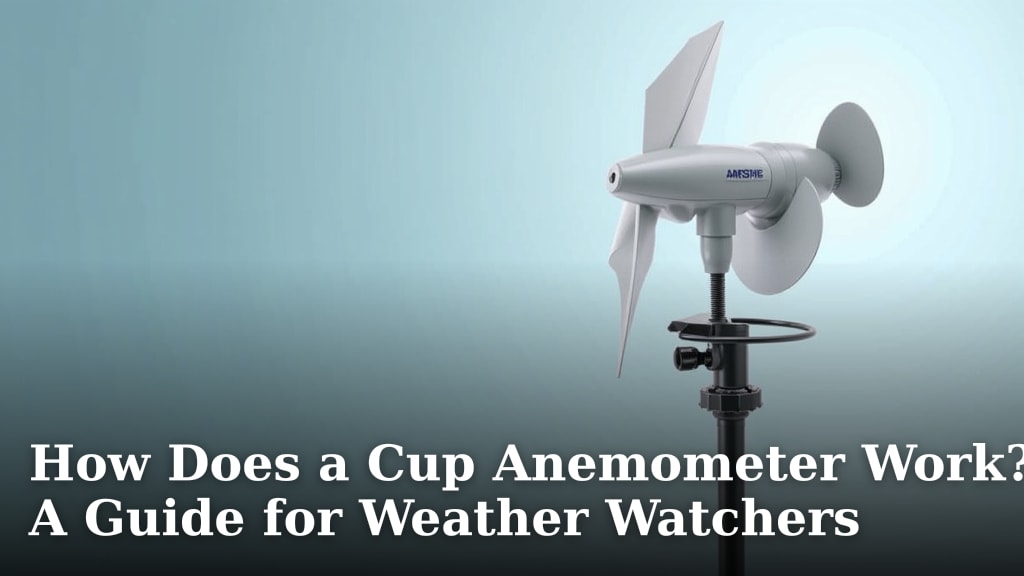
How Does a Cup Anemometer Work? A Guide for Weather Watchers
A cup anemometer works by using the force of the wind to spin its cups. As the wind blows, it pushes against the open side of the cups more than the hollow side. This difference in force makes the cups rotate on their central rod. The faster the wind blows, the quicker the cups spin, giving us a reading of wind speed. It’s a simple yet effective tool for weather watchers.
Understanding how this common weather instrument works can make your observations more interesting. You’ll see how a basic design can accurately measure wind speed for your forecasts. This device is a staple in many weather stations because of its reliability and ease of use This device is a staple in many weather stations because of its reliability and ease of use, and some offer a weather station alarm.. Knowing the mechanics behind it helps appreciate the science of meteorology.
TL;DR:
- Cup anemometers measure wind speed.
- Wind spins cups attached to a rod.
- Faster spin means stronger wind.
- It’s a simple and reliable tool.
- Useful for everyday weather watching.
Ready to learn more about this fascinating instrument? Let’s walk through exactly how this works step by step.
“`htmlUnderstanding the Simple Magic of Cup Anemometers
You’ve seen them, those simple-looking devices with cups spinning in the wind. They’re everywhere, from backyards to professional weather stations. But how exactly does this charming gadget measure wind speed? It’s a clever use of physics that’s both elegant and effective.
The Core Principle: Wind Force and Rotation
At its heart, a cup anemometer works because of the difference in force wind exerts on its cups. Imagine the wind as a gentle hand pushing things around. This device captures that push and turns it into a useful measurement.
How the Cups Catch the Wind
The anemometer typically has three or four cups mounted on arms. These arms are attached to a central rod. The cups are designed with an open, scoop-like shape on one side and a hollow, less resistant shape on the other. When the wind hits these cups, it pushes harder against the open side. This uneven pressure creates a turning force.
Creating Continuous Motion
This constant pushing force causes the cups and the central rod to spin. The faster the wind blows, the stronger the push. Naturally, this results in the cups spinning at a quicker rate. It’s like a merry-go-round, but powered by nature instead of a motor.
From Spinning Cups to Wind Speed Readings
So, the cups are spinning. But how does that tell you if it’s a breezy day or a gale? There’s a bit more to it, but the basic idea is to translate that rotation into a number you can understand. This often involves a bit of clever engineering.
The Role of the Generator or Sensor
Attached to the spinning rod is usually a small generator or an electronic sensor. As the rod spins, it turns a tiny generator. This generator then produces a small electrical signal. The strength or frequency of this signal is directly related to how fast the rod is spinning.
Alternatively, some anemometers use optical sensors. These sensors count how many times a small disc attached to the rod passes a light beam. The faster the rod spins, the more times the disc passes the beam in a given period. This count is then converted into wind speed data. You’re essentially counting revolutions per minute (RPM).
Calibration: Making Sense of the Spin
This is where the “reading” part comes in. The electrical signal or the count from the sensor needs to be interpreted. This is done through calibration. Before it’s used, the anemometer is tested in controlled wind conditions. Researchers measure the spin rate at known wind speeds.
They then create a formula or a lookup table. This tells the display unit (or the connected weather computer) what wind speed corresponds to a specific number of rotations. For instance, they might find that 100 rotations per minute equals 5 miles per hour of wind. Many guidelines point to this calibration step as essential for accuracy (National Weather Service).
Different Types of Cup Anemometers
While the basic principle remains the same, there are a few variations you might encounter. Each has its own subtle differences in design and application. Most of these variations focus on how the rotation is measured or how robust the device is.
The Classic Three-Cup Design
This is the most common type you’ll see. Three hemispherical cups are arranged in a triangular pattern around the central rod. This design is popular because it’s effective at capturing wind from most directions and provides a consistent rotation.
The Four-Cup Variation
Less common, but still in use, is the four-cup anemometer. It features four cups, often placed at right angles to each other. Some research suggests this design can offer slightly more stability in very turbulent winds, though many experts find the three-cup model sufficient (American Meteorological Society).
Material Matters: Durability and Performance
The cups and arms are typically made from lightweight but strong materials. You’ll often find them made of aluminum, strong plastics, or even fiberglass. These materials are chosen for their resistance to weather and their ability to spin freely without being weighed down. They need to withstand sun, rain, and sometimes even ice!
Where You’ll Find Cup Anemometers
These handy devices aren’t just for meteorologists. Their simplicity and reliability have made them a go-to instrument for a wide range of users. You’ll see them in many different settings.
Weather Stations and Airports
This is their most famous home. From local weather stations to large international airports, cup anemometers are vital for tracking wind conditions. They provide the data needed for weather forecasts and for flight safety. Pilots need to know wind speed and direction before takeoff and landing.
Hobbyist Weather Enthusiasts
If you’re into tracking your local weather, a cup anemometer is likely a part of your setup. They are relatively affordable and easy to install. They add a tangible, visual element to understanding weather patterns. It’s great to see the cups spin faster when a storm approaches!
Industrial and Agricultural Uses
Beyond weather watching, cup anemometers serve practical purposes. They are used in agriculture to monitor wind conditions that might affect crop spraying or to assess potential wind erosion. In industrial settings, they can monitor wind speed around construction sites or wind turbines, ensuring safety and efficiency.
Advantages and Disadvantages to Consider
Like any tool, the cup anemometer has its strengths and weaknesses. Knowing these helps you understand its place in weather measurement.
Key Strengths of Cup Anemometers
- Simplicity: The design is straightforward and easy to understand.
- Durability: They can withstand harsh weather conditions.
- Cost-effectiveness: Generally more affordable than other types of anemometers.
- Low Starting Speed: They begin to spin with relatively low wind speeds.
- Ease of Maintenance: Simple construction often means less frequent repairs.
Potential Limitations
While excellent for many uses, they aren’t perfect for every situation. One main consideration is that they don’t directly measure wind direction. You need a separate wind vane for that. Also, their response to sudden gusts can sometimes be slightly delayed.
Furthermore, in extremely high winds, the cups might experience drag or even damage. Some advanced models are built for higher wind speeds, but it’s something to keep in mind. Their spinning action can also be affected by ice buildup in very cold conditions.
Quick Checklist for Understanding Your Anemometer
Here’s a quick recap to help solidify your understanding:
- The cups catch the wind due to their shape.
- Uneven force makes them spin.
- Faster spin equals higher wind speed.
- A generator or sensor converts spin to a signal.
- Calibration translates the signal into actual wind speed.
- They are widely used, from homes to airports.
Conclusion
You’ve now seen how the humble cup anemometer turns wind into understandable data. Its simple design relies on basic physics: wind force creates rotation. This spinning motion is then converted into electrical signals, which your weather device translates into wind speed. For weather watchers, understanding this process enhances your appreciation for weather observation. It’s a reliable tool that brings meteorology right to your backyard. Ready to get yours or better understand the one you have? Observe its spin the next time the wind blows and connect it to the readings on your display.
Frequently Asked Questions
How does the cup anemometer know which way the wind is blowing?
A standard cup anemometer doesn’t actually measure wind direction. You need a separate instrument called a wind vane for that. The cups are designed solely to spin based on wind speed, regardless of where the wind is coming from.
Do the cups need to be a specific size to work?
While there are standard designs, the cups don’t need to be an exact size to function. Their shape, specifically the open scoop versus the hollow side, is more important. This shape creates the necessary difference in wind force for rotation.
What happens if ice forms on the anemometer cups?
Ice buildup can significantly affect a cup anemometer’s performance. It adds weight and can impede the free spinning of the cups, leading to inaccurate readings or preventing them from spinning altogether. This is a common limitation in very cold climates.
Can I use a cup anemometer indoors?
Cup anemometers are designed for outdoor use where they can catch natural wind. They won’t work effectively indoors unless you have a fan creating a consistent airflow directed at them.
How often do cup anemometers need maintenance?
Generally, cup anemometers require very little maintenance. Occasionally, you might need to clean them or check that the bearings are spinning freely. For most home users, they are quite durable and low-maintenance tools.