What Is a Self Emptying Rain Gauge? Explained
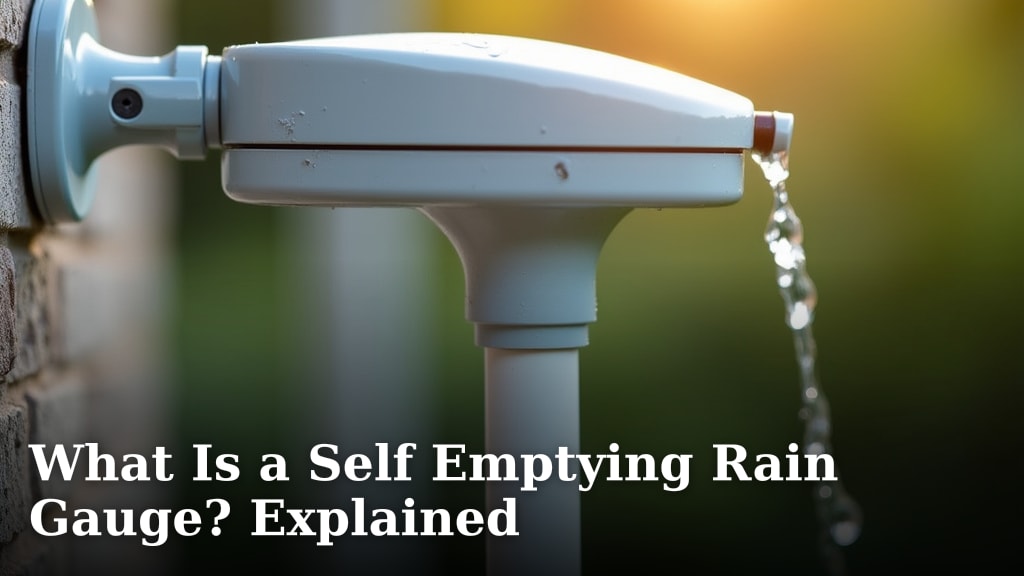
A self-emptying rain gauge is a weather instrument that automatically empties collected rainwater after each measurement. This means you don’t have to manually empty it, making it ideal for busy people or those who want accurate, hands-off rainfall tracking. It simplifies monitoring your local precipitation levels without constant attention.
These smart devices offer a convenient way to keep tabs on your yard’s watering needs. They are particularly useful for gardeners or anyone curious about their area’s weather patterns. A self-emptying gauge ensures that your readings are always up-to-date, providing a clearer picture of daily and cumulative rainfall.
- Automatically empties collected rain.
- No manual emptying required.
- Provides accurate, continuous readings.
- Great for gardeners and weather enthusiasts.
- Simplifies rainfall tracking.
Let’s walk through exactly how these clever devices work and why they might be the perfect addition to your home weather station. Let’s walk through exactly how these clever devices work and why they might be the perfect addition to your home weather station.
Understanding How a Self-Emptying Rain Gauge Works
You’re probably wondering what makes a rain gauge “self-emptying.” It’s a pretty clever system. At its core, it’s a weather tool that measures rainfall. But unlike traditional gauges, it takes care of itself. Once it collects a certain amount of rain, it automatically empties. This prevents overflow and keeps the readings accurate for the next rainfall event.
Think of it like a tiny, automated weather assistant for your yard. You set it up, and it does the work. This means you don’t have to remember to dump out the water. You always get a clear, fresh measurement. It’s a modern convenience for anyone interested in weather data.
The Mechanism Behind Automatic Emptying
So, how does this magic happen? Most self-emptying gauges use a tipping bucket mechanism. You might have seen something similar in older weather stations. A small bucket, usually split in half, sits under the rain collector.
As rain falls into the collector, it funnels into one side of the tipping bucket. When that side fills up to a specific weight or volume, it tips over. This action empties the collected water. It also triggers a sensor that records one “tip” of the bucket. Each tip usually represents a small, precise amount of rain, like 0.01 inches.
Tipping Bucket Details
The tipping bucket is ingeniously designed. It’s balanced on a pivot point. When enough water collects in one half, gravity takes over. The bucket tilts, spills its contents, and resets. Then, the other side of the bucket is ready to catch the next batch of rain. This cycle repeats throughout a storm.
The accuracy here is key. Manufacturers calibrate these buckets carefully. They ensure that each tip represents a consistent volume of water. This precision is what allows for reliable measurement. You can trust the data it collects.
Sensors and Recording the Data
Every time the bucket tips, it needs to tell your device about it. This is where sensors come in. A small magnet might be attached to the bucket. As it tips, this magnet passes by a reed switch or a Hall effect sensor. This change is detected and counted as a rainfall event.
This count is then transmitted to a display unit or a connected app. Your device translates the number of tips into a rainfall total. For example, if each tip equals 0.01 inches and the gauge records 50 tips, you’ve received 0.50 inches of rain. It’s a straightforward, digital conversion of a physical event.
Why Choose a Self-Emptying Rain Gauge?
You might be wondering if this is worth the upgrade from a traditional gauge. The answer often depends on your needs and lifestyle. If you want hands-off weather monitoring, these devices shine.
Traditional rain gauges require you to check them regularly. You need to empty them before they overflow. This can be inconvenient, especially if you’re away from home or have a busy schedule. A self-emptying gauge removes this chore entirely.
The Convenience Factor
The biggest draw is undoubtedly the convenience. Imagine going on vacation and not worrying about your rain gauge overflowing. Or simply waking up after a night of rain and seeing the total without having to go outside with a cup. It’s about simplifying the process of data collection.
This also means you’re less likely to miss rainfall data. If a storm hits while you’re asleep or out, a standard gauge might overflow and lose its reading. A self-emptying model ensures continuous measurement. You get a complete picture of every rainfall event.
Accuracy and Reliability
While many traditional gauges are accurate, they rely on user diligence. A self-emptying gauge, by its automated nature, maintains accuracy over time. The tipping bucket mechanism is designed for precision. It eliminates the human error of incomplete emptying or misreading a full gauge.
Research indicates that automated weather stations, including those with tipping bucket rain gauges, offer consistent data collection (World Meteorological Organization). The automated emptying prevents saturation and ensures the device is ready for the next rain. This reliability is a significant advantage for serious weather watchers.
Ideal for Specific Users
These gauges are perfect for gardeners. Knowing exactly how much rain your plants have received is vital for watering. You can make informed decisions about when to water manually. This helps prevent overwatering or underwatering.
Home weather enthusiasts also appreciate them. If you’re building a personal weather station, an automated gauge fits right in. It integrates well with other digital sensors. You can track temperature, wind, and rain all in one place. It offers a more complete environmental picture.
Types of Self-Emptying Rain Gauges
Not all self-emptying gauges are created equal. They can range from simple standalone units to sophisticated components of a larger weather system. Understanding the different types can help you choose the right one for your needs.
Standalone vs. Integrated Systems
Some self-emptying gauges work as standalone devices. They might have a small built-in display showing the current rainfall. Others are designed to be part of a larger home weather station. These connect wirelessly to a base station or directly to your smartphone. These connect wirelessly to a base station or directly to your smartphone for data monitoring.
Integrated systems offer more features. You can often see historical data, rainfall trends, and even set alerts. Standalone units are simpler and often more affordable. They focus purely on measuring and displaying the rain.
Power Sources
How do these devices get the power they need to empty and transmit data? Many use solar power. They have a small solar panel that charges an internal battery during the day. This battery then powers the device throughout the night and during cloudy periods.
Other models might rely on standard batteries. Some larger, professional-grade systems might be hardwired. For most home users, solar-powered options are the most convenient. They require very little maintenance. You just set them up and let the sun do the work.
Connectivity Options
If you opt for an integrated system, consider its connectivity. Some connect via Wi-Fi and sync with a dedicated app. This allows you to monitor rainfall remotely from anywhere. Others might use a proprietary wireless protocol to communicate with their base station.
The app experience is important. Look for apps that are user-friendly. They should clearly display your rainfall data. Features like daily, weekly, and monthly totals are helpful. Some apps even allow you to export your data for further analysis. This connectivity adds another layer of practicality to your weather tracking.
What to Look for When Buying
Choosing the right self-emptying rain gauge involves a few considerations. You want a device that meets your needs without breaking the bank. Let’s cover some key points to keep in mind.
Accuracy and Measurement Units
Always check the accuracy specifications of the gauge. Most tipping bucket gauges measure in increments like 0.01 inches or 0.2 mm. Ensure this level of detail is sufficient for you. Also, confirm the units of measurement it uses and if it can be switched between inches and millimeters.
Durability and Weather Resistance
This is a device that will live outdoors. It needs to withstand sun, rain, wind, and temperature changes. Look for materials that are UV-resistant and built to last. Check reviews for comments on how well the gauge holds up over time in different weather conditions.
Ease of Installation and Maintenance
While self-emptying means less maintenance, installation is still a factor. Most are designed to be mounted on a pole or railing. Check if mounting hardware is included. You’ll also want to ensure the sensor (often the tipping bucket itself) is accessible for occasional cleaning. Keeping the funnel and bucket clear of debris ensures continued accuracy. Minimal maintenance is a big plus.
Connectivity and App Features
If you want smart features, evaluate the connectivity. Does it connect to your home Wi-Fi? Is the companion app intuitive and feature-rich? Consider how you want to receive and view your data. Remote access is a significant benefit for many users.
Here’s a quick checklist to guide your purchase:
- Check accuracy: Does it measure in your preferred units (inches/mm)?
- Assess durability: Is it built for outdoor weather?
- Evaluate connectivity: Do you want Wi-Fi, Bluetooth, or standalone?
- Review app features: Is the app easy to use and informative?
- Consider power source: Solar, battery, or hardwired?
- Read user reviews: What do others say about reliability?
Conclusion
You’ve seen how a self-emptying rain gauge takes the guesswork out of tracking rainfall. By using a tipping bucket mechanism, these devices automatically measure and record rain. This offers you hands-off accuracy and convenience, especially if you’re a gardener or weather enthusiast. You no longer have to worry about overflowing gauges or manual emptying. To get started with your own automated weather monitoring, consider your specific needs for connectivity and measurement accuracy before making a purchase. This simple upgrade can provide clear, reliable data for your yard and your peace of mind.
Frequently Asked Questions
How often do self-emptying rain gauges need cleaning?
You’ll want to clean your self-emptying rain gauge periodically, perhaps every few months. This typically involves rinsing the funnel and tipping bucket to remove any debris like leaves or pollen. Keeping these parts clean ensures your gauge continues to provide accurate readings without interruption.
Can a self-emptying rain gauge be used in freezing temperatures?
Most standard self-emptying rain gauges are not designed for freezing conditions and can be damaged by ice. If you live in an area with frequent freezes, you may need to bring the gauge indoors during winter months or choose a model specifically built for cold weather operation.
What happens to the water after the gauge empties?
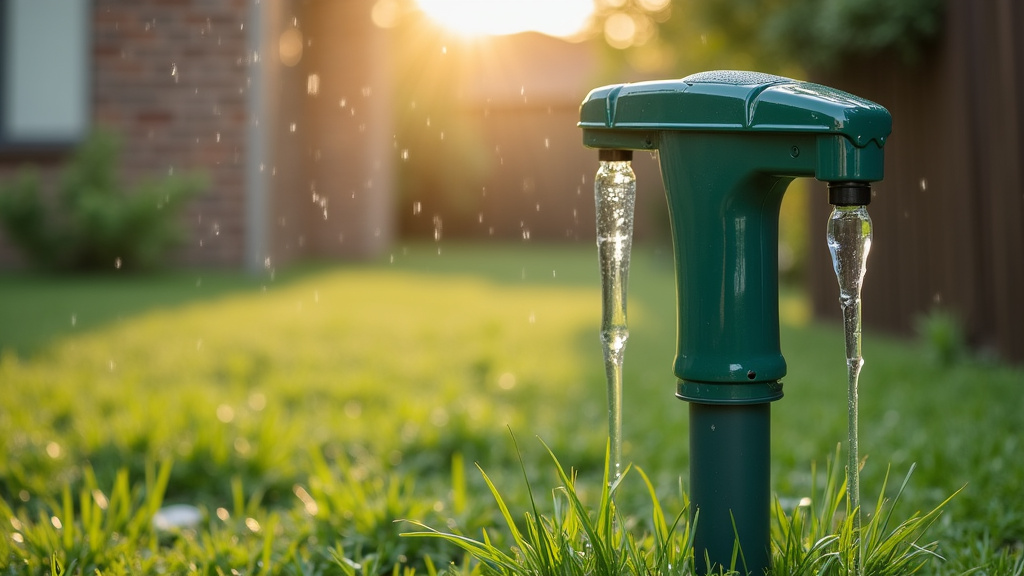
The water simply empties out of the bottom of the gauge, usually onto the ground. There’s no collection reservoir that stays full. This design is what allows the gauge to reset itself after each measurement, ensuring it’s ready for the next rainfall event.
Are self-emptying rain gauges more accurate than traditional ones?
Self-emptying gauges can be more accurate because they eliminate user error. With a traditional gauge, you might forget to empty it, leading to overflow and lost data. The automated tipping bucket design provides consistent, precise measurements for every rainfall event.
Do I need Wi-Fi for a self-emptying rain gauge?
Not all self-emptying rain gauges require Wi-Fi. Simpler standalone models will just measure and display the rain locally. If you want to view data on your phone or receive alerts remotely, then a Wi-Fi connection will be necessary for those smart features.