What Is a Weather Station Forecast Icon? An Easy Guide
A weather station forecast icon is a small symbol that visually represents the predicted weather conditions. It gives you a quick glance at what to expect outside, like sun, clouds, rain, or snow. This helps you plan your day without needing to read a long forecast.
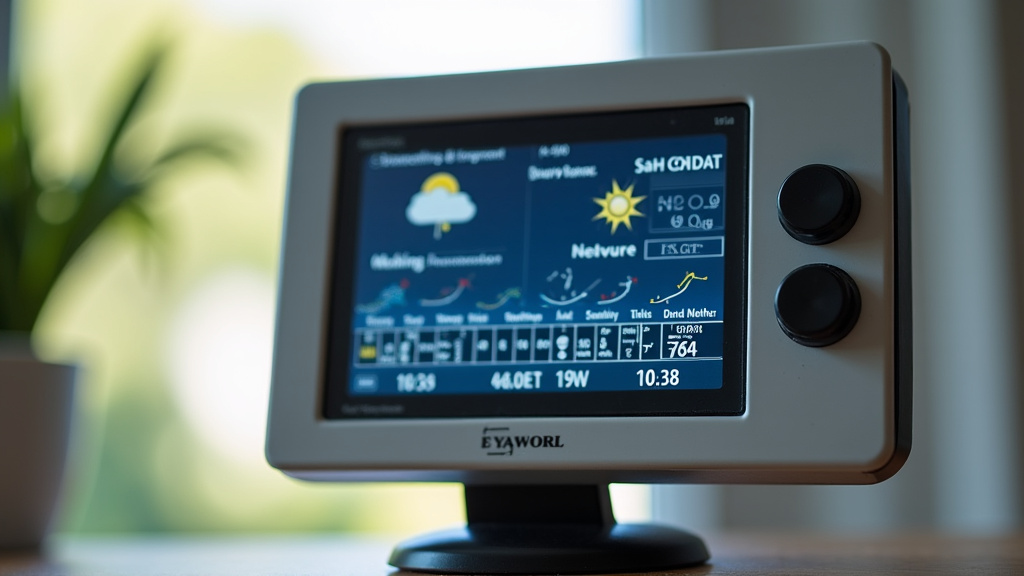
Think of these icons as your weather shorthand. They translate complex meteorological data into easily understood pictures. You’ll often see them on your personal weather station’s display, a weather app, or a website, offering a clear and immediate snapshot of future weather.
- Icons show expected weather like sun or rain.
- They offer a quick visual summary.
- You can find them on weather stations and apps.
- They help you plan your activities easily.
- These symbols are your weather “cheat sheet.”
Let’s walk through what each of these little pictures means so you can become a pro at reading your weather forecast at a glance.
“`htmlDecoding Your Weather Station’s Forecast Symbols
You’ve got a weather station, which is fantastic! But sometimes, those little icons on the display can feel like a secret code. What does that swirling cloud with a raindrop really mean for your afternoon? You’re not alone in wondering. We’re here to help you crack the code of your weather station forecast icons. Our guide on whether a home weather station can predict local weather explains how they work.
These symbols are designed to give you a quick understanding of what the weather might do. They translate complex weather data into simple pictures. Think of them as your personal weather translator. They let you know whether to grab an umbrella or sunglasses without even looking outside. Let’s make sure you know exactly what each one is telling you.
The Most Common Weather Icons and What They Mean
Most personal weather stations use a similar set of icons. While there can be slight variations, the core meanings are usually consistent. Understanding these common symbols will cover most of what you’ll see.
Sunny and Clear Conditions
This is usually represented by a bright, smiling sun. Sometimes it’s a simple circle with rays. This icon means you can expect clear skies and sunshine for the forecast period. It’s the go-to symbol for fair weather.
When you see this, it’s a good day for outdoor activities. You might want to remember sunscreen if the sun is strong and you’ll be outside for a while. This icon is a clear signal that bad weather is not on the way.
Partly Cloudy Skies
This icon often shows a sun with a few fluffy clouds mixed in. It’s a step up from completely clear. It indicates that you’ll have a mix of sunshine and clouds. You might see clouds drifting by, but they won’t block out the sun entirely.
This forecast suggests a pleasant day, but not as intensely sunny as a clear day. You might experience periods of sun and periods of shade. It’s generally good weather for most outdoor plans.
Cloudy or Overcast
Here, you’ll typically see several clouds, often without a sun. Sometimes it’s just a solid mass of gray clouds. This icon means expect a day dominated by clouds. There might be little to no sunshine breaking through.
While it doesn’t necessarily mean rain, it does signal a lack of direct sunlight. Temperatures might feel a bit cooler than on a sunny day. This is often a precursor to or a sign of unsettled weather. Many experts note that overcast conditions can affect mood (National Center for Environmental Information).
Rain Forecasts
Rain icons are pretty straightforward. You’ll usually see a cloud with raindrops falling from it. Sometimes there might be a few of these drops, or many, to indicate intensity. This is a clear sign that rain is expected.
It’s wise to have an umbrella or raincoat handy if you see this. Depending on the icon’s detail, it might suggest light rain or heavier downpours. Always check the duration if your station provides it.
Light Rain vs. Heavy Rain
Some stations differentiate between light and heavy rain. A few small drops might mean a sprinkle. A larger number of drops or a more intense depiction suggests a heavier shower or steady rain.
Snow Forecasts
Snow icons typically show a cloud with snowflakes falling. Similar to rain, the number of snowflakes can sometimes indicate intensity. This symbol means you should expect snow.
If you see this, it’s time to prepare for wintery conditions. Depending on the amount and type of snow, you might need to adjust your travel plans. Checking the temperature along with the snow icon is always a good idea.
Stormy Weather Icons
Storm icons can vary. They might show a cloud with lightning bolts, or perhaps strong winds depicted by lines. Sometimes, it’s a combination of rain and wind. This icon signifies more active and potentially severe weather.
When you see a storm icon, it’s a good time to stay informed about weather alerts. It means conditions could be changing rapidly. For safety, it’s often recommended to stay indoors during thunderstorms (CDC).
Fog or Mist
Fog is often shown as a cloud close to the ground or a series of dots representing reduced visibility. This icon means you can expect foggy conditions, which will likely lower visibility.
If you need to drive, be extra cautious. Slow down and use your headlights. Fog can make it hard to see, so awareness is key. Visibility can drop significantly in dense fog.
Understanding Variations and What They Mean
While the basic icons are common, your weather station might have slightly different symbols or combine them. Here are some common variations you might encounter.
Icons with Wind
Sometimes, you’ll see wind depicted by lines or swooshes near a cloud or sun. This indicates that wind is expected along with those conditions. For example, a partly cloudy icon with wind lines means sunshine, clouds, and breezes.
Icons with Temperature Indicators
Some advanced weather stations add temperature readouts directly with the icon. You might see a temperature listed next to a sun icon, for instance. This gives you a more complete picture of what to expect.
Icons for Day vs. Night
Many weather stations will show a moon and stars for nighttime forecasts. This is combined with other symbols to show what the weather will be like after sunset. A moon with a few clouds means a partly cloudy night.
Why Are These Icons So Helpful?
These little pictures are more than just decoration. They serve a very practical purpose in helping you plan your day. They cut through the jargon and give you immediate information.
Quick Glance Understanding
Imagine you’re rushing out the door. You don’t have time to read a detailed weather report. You can glance at your weather station’s display and instantly know if you need a jacket or an umbrella. It’s instant weather communication.
Planning Your Activities
Planning a picnic, a hike, or just a walk in the park? The icons help you make those decisions. Sunny icons suggest good times for outdoor fun. Rain or snow icons mean you might need to reschedule or find an indoor alternative. It makes planning much easier and more efficient.
Personal Weather Stations are Key
Having a personal weather station means you get data tailored to your exact location. Unlike general forecasts, your station measures conditions right outside your door. This makes its icon-based predictions highly relevant to your immediate surroundings.
A Quick Checklist for Reading Your Icons
Here’s a handy way to remember what to look for:
- Sun Icon: Clear and bright weather ahead.
- Cloud Icon: Expect cloudy skies, possibly overcast.
- Rain Icon: Umbrella needed! Rain is likely.
- Snow Icon: Winter conditions are coming.
- Storm Icon: Watch out for active or severe weather.
- Check Temperature: Always pair icons with the actual temperature.
By familiarizing yourself with these common symbols, you’ll find yourself much more attuned to the weather. Your personal weather station’s display becomes a clear, easy-to-read guide to what nature has in store. You’ll be a pro at interpreting your weather forecast at a glance in no time!
“`Conclusion
You’ve now learned how to easily read the forecast icons on your personal weather station. These symbols are your direct line to understanding upcoming weather. They help you make quick decisions without a complicated report. From sunny days to rainy afternoons, you know what each icon means. Use this knowledge to better plan your outdoor activities and prepare for changing conditions. Make checking your weather station a daily habit for effortless weather awareness.
Frequently Asked Questions
Are weather station icons universal, or do they vary?
Most personal weather stations use a core set of common icons that are widely understood. However, there can be slight variations in design or additional symbols depending on the manufacturer. It’s always a good idea to check your specific weather station’s manual if you’re unsure about a particular icon.
Can a weather station icon predict the exact time of rain?
Weather station icons typically indicate the likelihood or general expectation of precipitation over a period, not the precise timing. For exact timings, you might need to consult a more detailed forecast from a weather app or service, often provided alongside the icons.
What if my weather station shows a combination of icons?
If your station shows multiple icons or an icon with additional symbols, it’s giving you more specific information. For example, a cloud icon with wind lines means you can expect cloudy conditions with breezy winds. Always look for any accompanying text or temperature readings for a fuller picture.
Do these icons account for wind speed or just wind presence?
Generally, simple icons with wind lines indicate that wind is expected alongside the primary weather condition. They often don’t specify the exact wind speed. More advanced weather stations or detailed forecasts will provide specific wind speed information separately from the icons.
How accurate are weather station forecast icons compared to a smartphone app?
Personal weather station icons are based on data collected directly from your local sensors, making them highly accurate for your immediate area. Smartphone apps often use data from a broader network of sources, which can sometimes be less precise for your exact microclimate. Both can be very useful tools for planning.