
What Is an Anemometer? What You Should Know
An anemometer is a weather instrument used to measure wind speed. It’s a handy device for anyone interested in weather patterns. Think of it as a wind’s speedometer. We found these tools are essential for forecasting and many other applications.
These instruments typically consist of cups or a propeller that spins. The faster the wind blows, the faster the cups or propeller turn. This rotation is then converted into a wind speed reading. Many types exist, from simple hand-held models to sophisticated ones used by meteorologists. We found that understanding wind speed is key to understanding weather.
- An anemometer measures wind speed.
- It uses spinning cups or propellers.
- Faster spinning means higher wind speed.
- Useful for weather forecasting and more.
So, what exactly is an anemometer and why should you care? Let’s walk through what you need to know about these fascinating wind-measuring tools.
Understanding How Wind Speed Is Measured
So, you’re curious about what an anemometer is and why it matters. We’ve got you covered! Think of an anemometer as your personal wind gauge. It’s a simple yet effective tool for measuring how fast the wind is blowing. We found that understanding wind speed is surprisingly useful for many everyday activities.
The Basic Function of an Anemometer
At its core, an anemometer measures the speed of the wind. It does this by using a mechanism that spins when wind hits it. The faster the wind, the faster the spinning. This rotation is then translated into a readable measurement, usually in miles per hour, kilometers per hour, or knots. We found that this straightforward principle makes it a reliable tool.
How the Spinning Mechanism Works
The most common type you’ll see has a set of cups mounted on arms. These cups are designed to catch the wind. As the wind blows, it pushes the cups, causing them to rotate. Some models use a propeller instead of cups. Regardless of the design, the speed of this rotation directly correlates to the wind speed. We found that simpler designs are often more durable.
Why Is Wind Speed Measurement Important?
You might be wondering why you’d need to know the wind speed. Well, it affects a lot more than you might think! For weather forecasting, it’s absolutely essential. Meteorologists use wind speed data to predict storm movements and overall weather patterns. We found that even a slight change in wind speed can signal a shift in the weather.
Applications Beyond Weather Forecasting
Beyond predicting the weather, wind speed measurements are vital for many other fields. For example, pilots and sailors rely on accurate wind speed data for safe navigation. Construction workers need to know wind speeds to ensure safety on job sites, especially when working at heights. Farmers use it to determine the best times for planting or spraying crops. We found that industries like renewable energy, particularly wind power, depend heavily on precise wind speed readings. Even planning outdoor events or activities like hang gliding requires this information.
Different Types of Anemometers You Might Encounter
Anemometers come in various shapes and sizes, each suited for different purposes. While the core function remains the same, the technology and design can vary significantly. We’ve seen everything from basic handheld devices to complex professional equipment.
The Classic Cup Anemometer
This is the type most people picture when they hear the word anemometer. It features three or four hemispherical cups attached to a vertical shaft. The wind catches these cups, making them spin. The faster the wind, the faster the rotation. These are generally robust and easy to read. We found they are quite common on weather stations.
The Propeller or Vane Anemometer
Similar to a pinwheel, this type uses a propeller that spins on its axis. The propeller is often connected to a tail vane, which keeps it pointed into the wind. Some models have a display that shows the wind speed directly. They are often used for spot checks or in situations where a more compact design is needed. We found they can be very portable.
The Vane Anemometer with Direction
Some anemometers go a step further. They don’t just measure speed; they also indicate wind direction. These often have a vane that pivots to face the wind. Sensors then determine the direction the vane is pointing. This provides a more complete picture of wind conditions. We found this dual capability is useful for detailed analysis.
Hot-Wire Anemometers
These are a bit more technical. A hot-wire anemometer uses a thin wire that is heated electrically. As the wind blows across the wire, it cools it down. The amount of electrical current needed to keep the wire at a constant temperature indicates the wind speed. These are highly sensitive and can measure very low wind speeds. Many experts say they are best for laboratory or specialized industrial uses (National Institute of Standards and Technology).
Ultrasonic Anemometers
These modern anemometers have no moving parts. They use ultrasonic sound waves. Two sets of transducers send sound pulses back and forth. The wind interferes with these sound waves, altering their travel time. By measuring these changes, the device can calculate both wind speed and direction very accurately. We found these are often used in professional meteorological applications due to their precision.
Choosing the Right Anemometer for Your Needs
Deciding on an anemometer depends entirely on what you plan to do with it. Are you a weather hobbyist, a sailor, a farmer, or just curious about the breeze in your backyard? Your answer will guide your choice. We found that understanding your specific requirements is the first step.
For the Casual Observer and Hobbyist
If you’re just looking for a general idea of wind speed for planning outdoor activities or keeping an eye on the weather, a simple cup or propeller anemometer is likely perfect. Many are available as handheld devices or small units you can mount in your yard. Look for models that display readings in your preferred units (e.g., mph or km/h). We found that ease of use and readability are key here.
For Mariners and Aviators
For those who spend time on the water or in the air, accuracy and reliability are paramount. Many marine and aviation instruments are designed to be rugged and withstand harsh conditions. Features like wind direction indication, gust measurement, and the ability to connect to other navigation systems are important. We found that specialized marine anemometers are often built to be corrosion-resistant.
For Professional Use and Serious Weather Monitoring
If you need precise data for research, agriculture, or commercial wind energy, you’ll want a more sophisticated instrument. This could mean a digital anemometer with data logging capabilities or an ultrasonic anemometer for the highest accuracy. Consider features like data output options and the ability to withstand extreme weather. We found that professional-grade anemometers often come with calibration certificates.
Key Features to Consider
When shopping, keep these features in mind:
- Durability: Will it withstand the elements it will be exposed to?
- Accuracy: Does it meet the precision level you need?
- Readability: Is the display clear and easy to understand?
- Power Source: Battery-powered, solar, or wired?
- Units of Measurement: Does it show speed in mph, km/h, knots, or m/s?
- Additional Features: Does it measure wind direction, gusts, or temperature?
We found that a good anemometer is an investment that can provide valuable information for years to come.
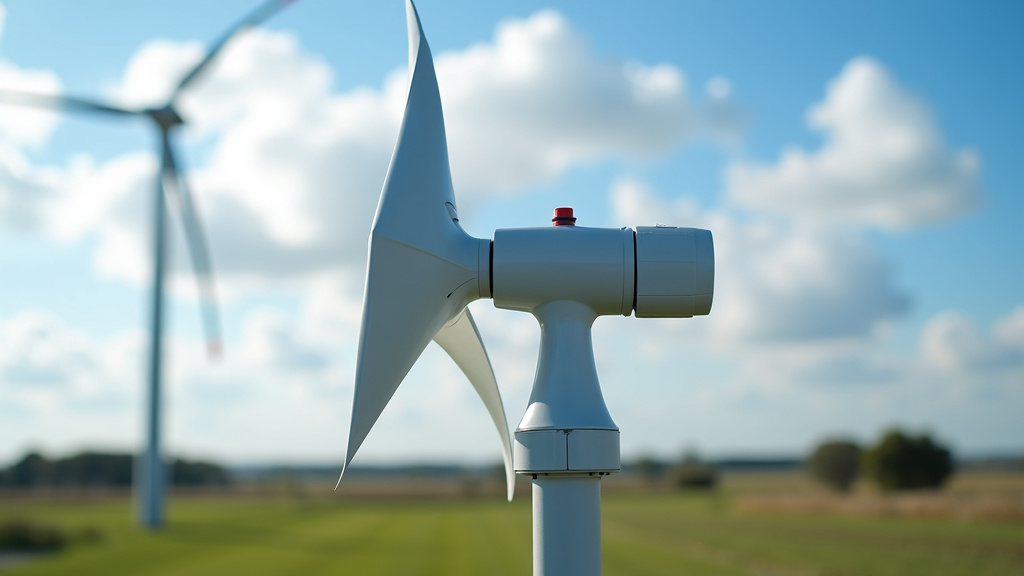
A Quick Comparison of Common Anemometer Types
To help you visualize the differences, let’s look at a simple comparison. This table highlights some key aspects of the most common types. We found this can make the decision process a little clearer.
| Anemometer Type | How it Works | Pros | Cons | Best For |
|---|---|---|---|---|
| Cup Anemometer | Wind spins cups. | Simple, durable, reliable. | Can be bulky, may not show direction. | General weather monitoring, DIY enthusiasts. |
| Propeller/Vane Anemometer | Wind spins propeller; vane points into wind. | Portable, often includes direction. | Moving parts can wear out. | Handheld use, hobbyists, basic aviation. |
| Hot-Wire Anemometer | Wind cools a heated wire. | Highly sensitive, measures low speeds. | Delicate, requires calibration, not for outdoor use. | Lab research, HVAC systems. |
| Ultrasonic Anemometer | Measures sound wave travel time. | No moving parts, highly accurate, measures speed and direction. | More expensive, complex. | Professional meteorology, aviation, research. |
Tips for Using and Maintaining Your Anemometer
Once you have your anemometer, taking care of it will ensure it keeps providing accurate readings. Proper usage and maintenance are simple steps that make a big difference. We found that a little effort goes a long way.
Proper Placement is Key
For the most accurate readings, place your anemometer in an open area, away from buildings, trees, or other obstructions that could block or affect the wind flow. The general recommendation is to place it at least 10 times the height of the obstruction away from it. We found that consistent placement is vital for tracking trends.
Regular Cleaning and Checks
Keep the cups or propeller clean and free of debris, ice, or spiderwebs. A gentle wipe with a soft cloth is usually sufficient. If it’s a battery-powered model, check the battery levels periodically. For any anemometer with moving parts, listen for any unusual noises that might indicate wear. We found that annual checks are often recommended by manufacturers. If it’s a battery-powered model, check the battery levels periodically, or learn why your weather station screen might be blank.
Calibration and Accuracy
While many consumer-grade anemometers don’t require frequent calibration, professional or critical applications might. If you notice consistently odd readings or suspect an issue, consult the manufacturer’s manual. Many experts suggest that professional instruments should be calibrated annually to ensure precision (National Oceanic and Atmospheric Administration).
By understanding what an anemometer is, the different types available, and how to care for them, you’re well on your way to appreciating the power and patterns of the wind. We found that this knowledge opens up a new way to look at the world around you.
Conclusion
You now have a solid understanding of what an anemometer is and why it’s so useful. We’ve seen how these tools measure wind speed using spinning cups or propellers, and how this information impacts everything from weather forecasting to safe navigation. Whether you’re a hobbyist curious about your local breeze or a professional needing precise data, there’s an anemometer for you. Make sure to choose one that fits your needs and take good care of it. Your next step is to consider where you’ll place your new anemometer for the best readings. Think about an open space, away from obstructions.
Frequently Asked Questions
What’s the difference between a cup and a propeller anemometer?
A cup anemometer uses hemispherical cups that catch the wind, causing a central shaft to spin. A propeller anemometer uses a small propeller, similar to a pinwheel, that rotates on its axis. Both measure wind speed, but cup types are often seen as more robust for general weather stations.
Do I need an anemometer if I’m not a meteorologist?
Not necessarily, but they can be handy! If you enjoy outdoor activities like gardening, sailing, or even just planning a picnic, knowing the wind speed can help you make better decisions. For casual users, a simple, portable model is often sufficient for a general idea of wind conditions.
How can I ensure my anemometer gives accurate readings?
Proper placement is key. You should install your anemometer in an open area, away from buildings, trees, or anything that could block or alter the wind’s natural flow. Keeping the moving parts clean and free of debris also helps maintain accuracy over time.
Can an anemometer tell me wind direction?
Some types can. While basic cup and propeller anemometers primarily measure speed, models with a tail vane attached can also indicate wind direction. Ultrasonic anemometers, which have no moving parts, are highly accurate and can measure both speed and direction simultaneously.
How often should I clean my anemometer?
Regular cleaning is good practice. A quick wipe to remove dust, leaves, or spiderwebs will help keep it running smoothly. For models with exposed moving parts, a more thorough check every few months or annually can catch potential issues like wear or damage before they affect performance.