9 Best Weather Station Tripod Mounts (November 2026)
The best weather station tripod mounts include the Tempest Original Universal Mount for Tempest fit, the imbesel Universal J-Pipe Mount for Antennas for wall or eave mounting, and the Ambient Weather WeatherMount Weather Station Mount for varied surfaces.
On this page (6 sections)
- Which weather station tripod mount fits your installation?
- How should you choose a tripod mount for a weather station?
- What makes a weather station mount stable?
- How do you install and care for a weather station tripod mount?
- What mistakes should you avoid when choosing a weather station mount?
- Which weather station tripod mount should you pick?
The best weather station tripod mount depends on where the sensor will sit and how its base attaches. For a Tempest station, start with the Tempest Original Universal Mount; for a roof mast, consider a Skywalker tripod and confirm the separate mast and fasteners fit your setup.
A weather station mount should hold the sensor steady and place it where wind, rain and temperature readings are useful. A tripod is one choice among roof, wall, eave and pole mounts, so begin with the site and station instructions.
For the full how to set up a weather station process, include sensor placement in the plan before fastening the support.
Our picks at a glance
-
1

-
2
 Best for wall or eave mounting
imbesel Universal J-Pipe Mount for Antennas
9.5/10 our score
See it on Amazon -
3
 Best for varied surfaces
Ambient Weather WeatherMount Weather Station Mount
9.4/10 our score
See it on Amazon
- 4
 Check it
Mippko Universal Mount for Tempest Weather Station
Best for a compact wall mount - 5
 Best for a roof mast tripodCheck it
- 6
 Check it
Winegard TR-1518 Satellite Tripod Mount
Best for portable ground setups - 7
 Check it
Skywalker 2’ TV Antenna Mast Pole Dish
Best for a short roof mast - 8
 Check it
Elfmuyapole 11FT Starlink Pole Mount
Best for a tall fixed pole - 9
 Check it
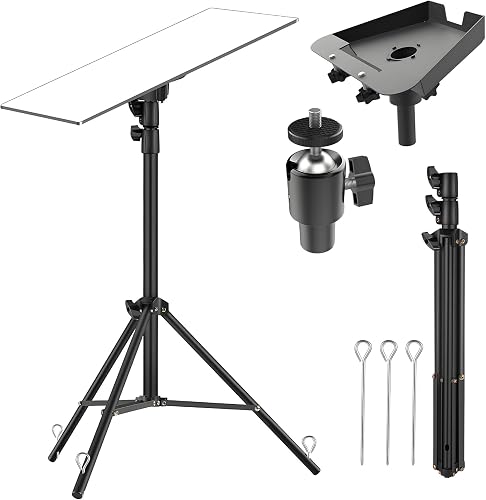
Cmilodi Starlink Gen 3 Tripod Mount
Best for temporary ground placement
Which weather station tripod mount fits your installation?
The Tempest mount leads for a compatible Tempest station, while the other options suit different surfaces and mounting styles. Match the base, mast diameter and included hardware to your sensor before choosing.
Tempest Original Universal Mount: Best for Tempest fit
- Designed for the Tempest weather station
- Adjustable positioning and height
- Aluminum and stainless steel construction
- Mounting hardware included
A Tempest-focused mount with adjustable positioning for several outdoor installation locations. Tempest says the station can also use its flat base and pole mount, so this kit may not be needed for every setup.
Pros
- Designed for Tempest
- Adjustable positioning
- Hardware included
Cons
- Not required for every Tempest installation
- Bracket mounting straps shown in some images are not included
The Tempest Original Universal Mount is the most direct choice for a Tempest weather station. It is designed for a precise fit and includes mounting hardware, with an adjustable arrangement for rooftops, walls and open outdoor spaces.
Tempest notes that its station also comes with a flat base and pole mount, so this kit is not necessary for every installation. The bracket mounting straps shown in some product images are not included, which matters if your plan depends on straps rather than another attachment method.
The mount uses aluminum and stainless steel. Its adjustable positioning can help you choose a sensor location, but the support still needs a stable attachment point and clear exposure.
Choose it when you want a Tempest-focused option and have a suitable surface or pole plan. If your layout calls for a different best weather station roof mount, compare surface attachment and access before deciding.
imbesel Universal J-Pipe Mount for Antennas: Best for wall or eave mounting
- Reversible J-pipe design
- 32 3/4 in arm length
- 1 in diameter
- Wall mounting brackets included
The reversible J-pipe offers two possible orientations for a sensor or mast, with wall brackets and fasteners included. Check the station's mounting interface and clearance before choosing it.
Pros
- Can be used from either end
- Includes screws and plastic anchors
- Pole rotates for direction adjustment
Cons
- Mast extension is sold separately
- An antenna mount, so verify weather station fit
The imbesel J-pipe is a practical choice for a wall, roof or eave installation where a projecting arm can keep the sensor clear of the surface. It is reversible, and its 32 3/4 in arm gives you room to position the mounting point.
The pole is 1 in in diameter and can rotate 60 degrees for direction adjustment. An optional mast extension adds 16 3/4 in, but it is sold separately.
The package includes screws and plastic anchors. Those fasteners do not replace the need to confirm that your wall or eave can carry the installation and that the sensor attaches to the pipe securely.
Choose this mount when a J-pipe shape solves a clearance issue. If your station uses a pole clamp or a base with a specific thread, check compatibility before ordering.
Ambient Weather WeatherMount Weather Station Mount: Best for varied surfaces
- Mounts to horizontal, vertical or pitched surfaces
- About 50 in mast height
- Powder-coated steel construction
- Supports many weather stations
WeatherMount suits locations where a flat, vertical or pitched mounting surface needs a compact base. Its mast is about 50 in high, and additional masts can extend it.
Pros
- Flexible surface orientation
- Small mounting plate footprint
- Additional masts can extend height
Cons
- Weather station is not included
- Check the base and fastener needs for the chosen surface
Ambient Weather's WeatherMount is a useful choice when the mounting surface is horizontal, vertical or pitched. Its small mounting plate is designed for tight locations, and the mast stands about 50 in high.
The mount uses powder-coated steel with a galvanized aluminum mast. Additional masts can extend the height by 31 in per mast, which may help when the first mast does not provide the needed clearance.
Ambient Weather says the mount supports most weather stations, including its own and Davis Instruments models. The weather station is not included, so confirm how your sensor base attaches and whether the surface can take the required fasteners.
Choose it when you need one mount to work across a less standard surface. For a different installation approach, compare a weather station pole mounting kit with the height and base you have available.
Mippko Universal Mount for Tempest Weather Station: Best for a compact wall mount
- Two Tempest installation methods
- 16.93 in long pole
- Aluminum alloy body
- Includes screws and plastic anchors
This compact wall mount is built around Tempest-compatible attachment options, including a threaded screw and a lock-ring method. Measure the station base and wall location before installation.
Pros
- Two installation methods for Tempest
- Compact pole length
- Hardware included
Cons
- Wall mounting requires drilling
- Confirm the station's attachment interface
Mippko's universal mount is aimed at Tempest stations and offers two attachment methods: a 1/4 in-20 threaded screw or a lock-ring connection. The pole is 16.93 in long, making it a compact option for a wall or eave rather than a tall freestanding setup.
The aluminum alloy body and stainless steel screws are intended for outdoor use. Mippko includes screws and plastic anchors, and the base is fixed to a flat surface by drilling four holes.
Measure the intended location and check the station base before mounting. The short reach may suit a wall near the roofline, but it will not raise a sensor as high as a longer mast.
Choose this when the Tempest attachment options match your station and the compact length works for the site. For a model-specific walkthrough, see how to mount a Sainlogic weather station.
Skywalker: Best for a roof mast tripod
- 5 ft heavy-duty tripod
- Double-braced metal construction
- Accommodates masts up to 2 in outside diameter
- 36 in leg spacing
This roof tripod supports a separate mast up to 2 in outside diameter. The tripod's legs have roof fastening holes, but the mast and roof hardware are separate.
Pros
- Double-braced construction
- Fits larger mast diameters
- Legs have fastening holes
Cons
- Mast and roof fasteners sold separately
- Plan roof attachment and mast compatibility
The 5 ft Skywalker tripod is a roof support for a separate mast, not a complete weather station pole kit. It accommodates masts up to 2 in outside diameter and has double-braced metal legs with roof fastening holes.
The mast, lag bolts and pitch pads are sold separately. Its 36 in leg spacing also means you should check the available roof area and support structure before planning the installation.
This setup can suit a sensor that needs a roof-mounted mast and has a matching clamp or adapter. Secure the mount according to the roof and station instructions, and plan a safe way to reach the equipment later.
Choose this tripod when a roof location and separate mast make sense. For sensor placement advice at a work site, see our construction site weather station guide.
Winegard TR-1518 Satellite Tripod Mount: Best for portable ground setups
- Folding ground tripod
- Adjustable height from 14.5 to 22 in
- Wide stance
- Designed for Winegard portable satellite antennas
The folding tripod is made for portable satellite antennas and has adjustable height for temporary ground setups. Its intended fit is specific, so verify the sensor or adapter connection before adapting it for weather equipment.
Pros
- Folds for compact storage
- Adjustable height
- Ground anchor and bungee cord included
Cons
- Designed for compatible Winegard antennas
- Low height may not suit a permanent sensor installation
The Winegard TR-1518 folds for storage and adjusts from 14.5 to 22 in, which makes it a portable ground support rather than a tall permanent mount. It is designed for Winegard portable satellite antennas.
The tripod includes a ground anchor, bungee cord and anchor loop to help hold the antenna setup. Its low height can be useful for temporary placement, but may not provide the exposure needed for a permanent weather station.
The stated fit is specific to compatible Winegard antennas. A weather sensor may need an adapter, and you should confirm the connection and stability before using this tripod for readings.
Choose it if portability matters and the intended sensor attachment works. For a permanent installation, a roof or pole mount is usually easier to position at the sensor's recommended height.
Skywalker 2’ TV Antenna Mast Pole Dish: Best for a short roof mast
- 2 ft tripod
- Fits masts up to 2 in outside diameter
- Heavy-duty 1 1/4 in tubing
- Pre-drilled fastening holes
This short tripod gives a compatible mast a roof or surface mounting point. The mast, lag bolts and pitch pads are separate, so account for those parts before installation.
Pros
- Short 2 ft tripod
- Fits masts up to 2 in outside diameter
- Pre-drilled leg holes
Cons
- Mast and fastening materials not included
- Requires a suitable mounting surface
The Skywalker 2 ft tripod is a shorter roof or surface mount that holds a separate mast up to 2 in outside diameter. Its metal tubing and pre-drilled leg holes give you a defined mounting point for compatible equipment.
The mast is not included, and the installation also calls for lag bolts and pitch pads. Plan those parts around the roof material and its underlying support, then align the tripod with the structure before fastening.
This is a more compact option than the 5 ft Skywalker tripod. It may suit a sensor that needs a modest lift, but confirm the station's mast clamp and the local obstacles around the roof.
Choose it when a short, fixed roof tripod fits the site. If you need a taller pole, compare its separate parts with the longer mounting systems above.
Elfmuyapole 11FT Starlink Pole Mount: Best for a tall fixed pole
- Galvanized steel pole
- 1.9 in diameter
- Four pole sections
- Direct-burial base
This tall pole is intended for direct burial and can place compatible equipment above nearby obstructions. Its height and buried base call for careful site planning and a confirmed sensor attachment.
Pros
- Tall fixed-pole option
- Galvanized steel construction
- Sections allow height adjustment
Cons
- Requires a buried base
- Confirm sensor fit and site suitability before installation
The Elfmuyapole is a tall direct-burial pole, reaching 11 ft above ground after the base is installed. Its galvanized steel sections and 1.9 in diameter make it a different kind of support from a compact tripod.
The pole comes in four sections and includes a 20 in fixed base. The manufacturer recommends fixing that base in concrete with a burial depth of 14 in, so plan the installation around the site and local conditions.
The stated design supports equipment such as Starlink devices, weather stations and TV antennas. Confirm the sensor clamp or adapter fits the pole and consider how you will safely service a sensor at that height.
Choose it where a fixed raised pole solves an obstruction problem and the ground installation is suitable. A tall mount can be harder to reach, so factor maintenance into the decision.
Cmilodi Starlink Gen 3 Tripod Mount: Best for temporary ground placement
- 23.2 in wide stance
- Three anchoring tent stakes
- Folds for travel
- Designed for Starlink Gen 3 Rev 4
This folding tripod is designed for temporary Starlink use on surfaces such as grass, gravel and decks. Its specified compatibility is for a Starlink dish, so weather station use depends on a suitable adapter.
Pros
- Folds for travel
- Includes three anchoring stakes
- Designed for uneven ground
Cons
- Starlink-specific fit
- A weather station adapter may be needed
The Cmilodi tripod folds for transport and is designed for a Starlink Gen 3 Rev 4 Standard dish. Its 23.2 in stance and three tent stakes are aimed at temporary outdoor placement on surfaces such as grass, gravel and decks.
That Starlink-specific fit does not guarantee direct compatibility with a weather station. You would need an adapter that securely matches both the tripod and sensor, and the sensor should remain stable in local wind and weather.
This is the lowest-scoring choice here because its stated use is more specialized than the weather station mounts above. Consider it only if the temporary setup and a suitable adapter meet your needs.
How should you choose a tripod mount for a weather station?
Choose a mount by the sensor connection, the surface and the exposure you need. A mount that fits the roof but not the station base adds parts and possible weak points.
What should you check before buying a weather station tripod mount?
First, identify whether the station has a threaded base, pole clamp, flat base or another attachment. Then compare that connection with the pole diameter, mount type and any adapter required.
Next, check what comes in the package. The Skywalker tripods need a separate mast and roof fasteners, while the Tempest Original Universal Mount includes mounting hardware but not the bracket straps shown in some images.
Finally, consider access and placement. A high sensor may clear nearby obstructions, but it needs a secure support and a practical way to inspect or maintain it.
Is a roof, wall or ground mount right for you?
A roof tripod can raise a sensor above nearby obstacles, but it must be attached to a suitable roof structure. A wall or eave mount can be easier to reach, while a ground tripod can suit temporary setups.
Keep the sensor away from surfaces or objects that could affect readings. The best weather stations for Weather Underground guide can help if your goal also includes sharing station data online.
What makes a weather station mount stable?
Stability comes from matching the mount to the surface, sensor and expected exposure. A sturdy material alone cannot make an undersized or poorly fastened support safe.
Use the fasteners and mounting method suited to the installation surface. For roof tripods, account for the mast, roof pitch and attachment hardware; for direct-burial poles, plan the base and ground work before raising the sensor.
Leave enough clearance for the sensor array to work as intended. Nearby walls, trees, roof edges and heat sources can affect readings, so choose a location using the station's instructions rather than height alone.
How do you install and care for a weather station tripod mount?
Install the support only after confirming the sensor connection, chosen location and required hardware. A careful dry fit can reveal a mismatched adapter or blocked sensor position before you drill, anchor or raise the mount.
What should you do before installation?
Start with the station manual and the mount's instructions. Confirm the base type, pole diameter, fastener needs and surface, then lay out the parts so you can see whether the connection is complete.
Check the proposed sensor location from more than one direction. Trees, walls, roof edges and nearby heat sources can affect readings, while a spot that is difficult to reach can make routine inspection awkward.
For a tripod, check its footprint against the roof or ground area. The 5 ft Skywalker has 36 in leg spacing, while the 2 ft model also needs room for its legs and fastening holes.
What are the basic setup steps?
First, secure the mount to a surface that suits its design. Use the proper fasteners for that surface, and follow the station and mount instructions for any roof, wall or buried-base work.
Next, fit the mast or adapter and check that the connection does not wobble. Attach the station as directed, then confirm that the sensor array is oriented and exposed as its manual requires.
Before leaving the installation, inspect each connection and make sure cables, if any, are not pulling on the sensor or support. Recheck the position after tightening, since a mount can shift slightly as fasteners seat.
How can you keep the mount in good condition?
Inspect the mount and fasteners from a safe location at intervals and after severe weather. Look for loosened hardware, corrosion, a shifted base or a change in sensor orientation.
Keep the sensor and its support clear of branches and debris. Avoid climbing onto a roof or reaching a raised pole without the right access and precautions, and plan maintenance around the mount's height from the start.
What mistakes should you avoid when choosing a weather station mount?
The most common mistake is treating a mount as universal because its title says universal. A shared use category does not guarantee the station base, mast diameter, thread or adapter will fit.
A second mistake is assuming every tripod includes a complete pole and roof hardware. The Skywalker models require a separate mast and fastening materials, and the Tempest mount's bracket straps shown in some images are not included.
Avoid choosing height without considering stability and servicing. A tall pole can clear obstacles, but it also needs a suitable base and a safe plan for reaching the sensor.
Finally, do not assume a mount designed for a satellite dish will work with a weather station without an adapter. The Winegard and Cmilodi models have specific satellite equipment fits, so weather station use depends on a secure compatible connection.
Which weather station tripod mount should you pick?
Pick the Tempest Original Universal Mount for a compatible Tempest station, the imbesel J-pipe when a wall or eave arm helps with clearance, and the Skywalker 5 ft tripod when you need roof support for a separate mast. Choose the Winegard for portable ground use only when its connection works with your sensor.
If the mounting surface needs a compact plate across flat, vertical or pitched orientations, consider Ambient Weather's WeatherMount. For a short wall installation, Mippko is a Tempest-focused option; for a tall fixed position, the direct-burial pole needs careful site planning.
Skip the Starlink-specific tripods unless a secure weather station adapter matches your setup.
Before fastening anything, verify the sensor connection, surface, required hardware and access for future care. Use the weather station setup guide to plan placement, and see how to mount a Sainlogic weather station for a model-specific installation example.
Our top 3 picks at a glance
-
1
-
2
Best for wall or eave mounting
imbesel Universal J-Pipe Mount for Antennas
9.5/10 our score
See it on Amazon -
3
Best for varied surfaces
Ambient Weather WeatherMount Weather Station Mount
9.4/10 our score
See it on Amazon
Frequently asked questions
Can you use an antenna tripod for a weather station?
Yes, if the tripod accepts a mast or adapter that fits your weather station and can be secured to the chosen surface. Check the mast diameter, station base and included fasteners before buying.
A tripod made for a satellite dish may need a separate compatible pole or adapter.
Is a roof tripod better than a ground tripod?
A roof tripod can raise a sensor above nearby ground obstacles, while a ground tripod is easier to move and reach. The right choice depends on the roof structure, safe access, wind exposure and sensor instructions.
Place the sensor where buildings and trees won't distort its readings.
How high should a weather station tripod be?
There is no single height for every sensor, because wind, rain and temperature sensors have different placement needs. Follow your station's installation guidance and consider nearby roofs, trees and heat sources.
A taller mount can improve exposure, but it also needs a stable base and safe access for maintenance.
Do weather station tripods include the mast?
Not always. The Skywalker 5 ft tripod and 2 ft tripod are sold without a mast, while some mount kits include a pole or mast.
Check what each option includes, then match the mast diameter and attachment method to your sensor before installation.


