How to Prevent Mold in a Humidifier
To prevent mold in a humidifier, empty and dry it daily, clean it on the schedule in its manual, and store it completely dry. Use fresh water and stop running it if you see slime, film, or a musty smell.
On this page (9 sections)
- How do you prevent mold in a humidifier?
- Why does a humidifier develop mold?
- What should you do after each use?
- How often should you clean and dry a humidifier?
- What water should you use in a humidifier?
- How should you store a humidifier between seasons?
- Can a dehumidifier help with humidifier-related moisture?
- Does a humidifier help with mold?
- What routine keeps mold out of a humidifier?
To prevent mold in a humidifier, empty and dry it daily, clean it as the manual directs, and store it completely dry. Use fresh water, and stop the unit if you notice slime, film, or a musty smell.
Mold prevention depends on removing standing water and cleaning the parts that get wet. A tank that looks clear can still have moisture in seams, the base, or a filter.
That hidden moisture is often the weak point in a routine. Water can cling to corners, gaskets, and the area around an outlet, and it can stay there while the main tank looks empty.
Drying each part with air moved through it helps more than a quick empty and close.
The habit matters most between uses. A humidifier used every day still needs fresh water and a chance to dry, while a unit left after a single session can sit damp for days.
Cleaning on the schedule in the manual clears residue that feeds growth, and it also lets you check for wear.
Stop and clean the unit before you run it again if anything seems off. Slime on the surface, a film on the base, or a musty odor are signs that standing water has been there too long.
A clean, dry start is safer than trying to push through another cycle and hoping the smell fades.
This simple order protects both the room and the machine. Empty first, clean what the manual allows, rinse if directed, and leave parts open until dry.
When the unit is stored, keep it in a clean, dry place with parts separated where the design allows, so no damp pocket stays sealed inside.
How do you prevent mold in a humidifier?
Use a routine of daily emptying, regular cleaning, and complete drying. Follow the manufacturer's instructions for your model, since removable parts and approved cleaners vary.
- Turn off and unplug the humidifier.
- Empty the tank and any water left in the base.
- Clean the tank and removable parts as the manual directs.
- Rinse parts when instructed, then air-dry them fully.
- Refill with fresh water when you're ready to use the unit.
Don't top off old water day after day. Drain and refill instead, and avoid leaving a wet humidifier closed between uses.
For a closer cleaning walkthrough, see how to clean a home humidifier. The manual should guide you on cleaners, filters, and parts that should not be immersed.
Why does a humidifier develop mold?
Mold can grow when moisture stays in the tank or on damp parts. Dust and other material can also collect in water or around a wet filter, so routine cleaning matters even when the unit is used often.
A musty odor, slippery film, or visible growth means it's time to stop, empty, and clean the unit. Don't run it while you are trying to remove buildup, and don't assume adding a scent or treatment will make a dirty tank safe.
Humidifiers can also raise indoor humidity if they run too long or the room has poor airflow. Read can humidifiers cause mold for ways excess moisture can affect a room.
What should you do after each use?
Empty leftover water and let the tank and base dry with the parts open. This keeps water from sitting in a closed reservoir between sessions.
Unplug the unit before handling it, then pour out water from the tank and base separately if the design allows. Wipe areas that remain wet, but don't push cloths or tools into openings unless the manual permits it.
Leave removable parts out until fully dry. If you use the humidifier daily, clean it on the manufacturer's schedule and refill with fresh water rather than keeping old water in the tank.
How often should you clean and dry a humidifier?
Clean as often as the manual specifies, and empty and dry the unit daily. Clean sooner if the water has been standing, the unit smells musty, or you can see residue.
Follow the model's steps for the tank, base, mist outlet, and any filter or cartridge. Some parts may need replacement instead of scrubbing; don't use a brush or cleaner on a component unless the manual allows it.
Mineral deposits are different from mold, but both can signal a need for care. If your unit uses a cartridge, learn what a demineralization cartridge is and check the manual for its replacement schedule.
What water should you use in a humidifier?
Use the water type recommended in the manual, and replace it with fresh water regularly. Do not assume every humidifier handles tap water in the same way.
Tap water minerals vary by area and can leave a white crust in the tank, on the base, and around mist parts. That residue can make cleaning harder over time.
Distilled or demineralized water may reduce buildup in some models, yet it is not right for every design. The manual accounts for the materials, reservoir, and filter or cartridge in your unit.
Water choice also affects cleaning frequency. Mineral heavy water may show deposits sooner, and those deposits can trap moisture in rough patches.
Fresh water matters too, since water left sitting in a warm room can go stale between top ups. Empty and refill the tank rather than topping off old water to limit contact time with surfaces.
A cartridge can help with mineral residue, but it has limits. It reduces deposits for a set period, then needs replacement on schedule, and it does not remove the need to empty, clean, and dry the tank and base.
Check the manual for the cartridge type, replacement interval, and whether the unit should run without one. Keep additives out unless the manufacturer allows them, since essential oils can coat parts and cleaners can damage materials or leave fumes in the mist.
For more detail, see what you can add to a humidifier to prevent mold.
How should you store a humidifier between seasons?
Clean the unit, drain every reservoir, and let all parts dry fully before storage. Store it with the tank and removable pieces separated if the manual allows, so trapped moisture can escape.
Check the filter or water panel before putting the humidifier away. Replace parts on the schedule for your model, and store the unit in a clean, dry place rather than sealing damp parts in a bag or box.
Whole-house humidifiers have different maintenance needs from portable units. The AprilAire 35 Water Panel fits models 300, 350, 360, 560, 560A, 568, 600, 600A, 600M, 700, 700A, 700M, 760, 760A, and 768.
AprilAire recommends replacing the panel once during the season.
The AprilAire 10 Water Panel fits models 110, 220, 500, 500A, 500M, 550, 550A, and 558. AprilAire recommends replacing this panel twice during the season.
Check your humidifier's model number before choosing a panel. These replacements fit compatible whole-house systems, not portable humidifiers.
Can a dehumidifier help with humidifier-related moisture?
A dehumidifier can help manage excess room moisture, but it doesn't clean a humidifier or prevent mold inside its tank. Fix the humidifier routine first, and avoid running it in a room that already feels damp.
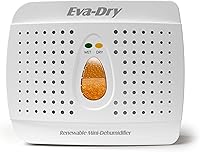
The Eva-Dry Wireless Mini Dehumidifier is cordless, uses silica gel, and is designed for spaces up to 333 cubic feet. Its moisture absorption capacity is up to 6 oz before recharging.
This compact option is designed for small spaces, not a substitute for drying the humidifier. For a larger humidifier choice, compare the best humidifier for home to the space and use you have in mind.
Does a humidifier help with mold?
A humidifier does not remove existing mold, and excess humidity can encourage moisture problems. Keep room humidity comfortable without making walls, windows, or fabrics damp.
A humidifier adds moisture to the air, and that is its job in dry conditions. It does not kill mold, clean a surface, or pull moisture out of a wall.
When a room already feels damp, or when air cannot move around furniture and corners, extra moisture can linger where it is least wanted. That lingering dampness can make existing moisture problems worse, even if the humidifier itself is clean.
Comfort is a useful guide here. If windows stay foggy, paint feels tacky, or fabrics stay damp to the touch, the setting is likely too high or the unit is running too long.
Shorter run times, a lower setting, and moving air from a fan can help balance the room. The goal is steady comfort, not a room that feels wet.
If you see mold on surfaces, address the moisture source and follow appropriate cleanup guidance for the affected area. Find why that spot stays damp, such as a leak, poor airflow, or repeated condensation, and fix it before painting over the problem.
Small surface areas may be handled with standard household steps, while larger or recurring growth may need professional help. Do not rely on a humidifier to treat mold or indoor air problems; read does a humidifier help with mold for more context.
What routine keeps mold out of a humidifier?
To keep mold out of a humidifier, empty it daily, clean it on schedule, and dry every part before storage. Use fresh water and follow the manual for filters, cartridges, and approved cleaners.
Choose the AprilAire panel that matches your whole-house model when its replacement is due. Use the Eva-Dry only to manage moisture in a suitable small space, not as a fix for a dirty tank.
If you notice slime, visible growth, or a musty smell, stop the unit and clean it before using it again. Check how to clean a home humidifier for the next steps.
Frequently asked questions
How often should I clean a humidifier to prevent mold?
Empty and dry the tank daily, and clean the humidifier as often as its manual directs. Some models need more frequent care, especially if water sits in the tank or you see film, slime, or a musty smell.
Unplug the unit before cleaning, and use only approved cleaning methods.
Can I leave water in my humidifier overnight?
You can leave water in the tank while the humidifier is in regular use if the manual allows it, but emptying it daily limits stagnant water. Before a break in use, drain the tank and base, clean them as directed, and let every part dry fully.
Does vinegar prevent mold in a humidifier?
Vinegar may help loosen mineral deposits on some humidifier parts, but it isn't a substitute for cleaning and drying. Check the manual before using it, since materials and cleaning steps vary.
Never mix vinegar with bleach or another cleaner, and rinse parts as directed.
Should I use bleach to clean a humidifier?
Use bleach only if the humidifier manual specifically allows it, and follow its dilution, contact-time, and rinsing directions. Never mix bleach with vinegar, ammonia, or other cleaners.
If the manual doesn't approve bleach, choose a cleaning method it does recommend.