Lithium vs Alkaline Batteries: Which Should You Choose? (October 2026)
Choose lithium for cold conditions when your device allows it; choose alkaline for many everyday uses when the manual specifies it. In this lithium vs alkaline batteries comparison, start with the required battery size, voltage and chemistry.
On this page (9 sections)
- Lithium vs alkaline batteries: what is the main difference?
- Which battery type lasts longer?
- How do lithium and alkaline batteries compare in cold weather?
- Can you replace alkaline batteries with lithium?
- What should you choose for a weather station?
- How should you store and replace disposable batteries?
- How do you choose between lithium and alkaline batteries?
- What are common battery replacement mistakes?
- Lithium vs alkaline batteries: which should you buy?
Choose lithium for cold conditions when your device allows it; choose alkaline for many everyday uses when the manual specifies it. In this lithium vs alkaline batteries comparison, start with the required battery size, voltage and chemistry.
The right choice depends on the device, its power needs and the conditions where it runs. For a weather station, a sensor mounted outside can face colder temperatures and be harder to reach than the console indoors.
This guide compares disposable lithium primary batteries with alkaline cells. Rechargeable lithium-ion batteries are a separate type, so don't treat the word “lithium” as proof that two cells can be swapped.
Lithium vs alkaline batteries: what is the main difference?
Disposable lithium batteries tend to maintain performance better in cold conditions, while alkaline cells suit many everyday devices in moderate conditions. The device manual still decides which chemistry is allowed.
Alkaline batteries are widely used in household devices and come in common sizes such as AA and AAA. They can be a sensible choice for clocks, remotes and other compatible devices that don't face severe cold or heavy power demands.
Disposable lithium cells are also available in common cylindrical sizes. Their cold-weather performance can make them useful in outdoor sensors, but that benefit matters only if the station maker permits them.
Neither chemistry is automatically best. A device used indoors may have different needs from a remote sensor exposed to winter weather, so check each component's instructions instead of choosing by battery name alone.
Lithium batteries vs alkaline batteries for monitoring devices
For a monitoring device, choose the approved battery type that can handle its location and expected service conditions. A sensor on a roofline may be inconvenient to reach, while a console may sit close at hand.
Read the manual for the console and every remote sensor. Confirm each one's battery size, voltage and allowed chemistry, since different parts of one weather station may have different requirements.
For model-specific advice, see AcuRite weather station battery guidance.
The power source can also differ by component: the console may use one arrangement while a wireless sensor uses replaceable cells. See how weather stations get power for a plain overview of common power options.
Which battery type lasts longer?
No single runtime applies to every lithium or alkaline battery. Device power use, battery model and temperature all affect how long a set lasts.
A battery capacity figure by itself does not tell you how long a weather station will run. A sensor that transmits readings often may use more energy than a device with lighter demands, and cold conditions can affect battery performance.
Shelf life means how long unused batteries can be stored under the stated conditions. Both Amazon Basics alkaline packs below have a stated 10-year shelf life, but that does not predict their service life once installed.
The Amazon Basics AAA pack contains 36 single-use, 1.5-volt cells. It fits the buying need when your device calls for AAA alkaline batteries and you want a larger supply of compatible spares.
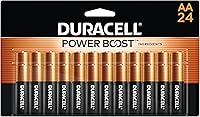
The Amazon Basics AA pack contains 48 single-use alkaline cells. It suits compatible AA devices and households that want a larger spare supply on hand.
If a sensor operates outdoors, lithium vs alkaline batteries in cold weather explains why temperature can affect the choice. Consider how often you can reach the sensor as well as the weather it faces.
How do lithium and alkaline batteries compare in cold weather?
Disposable lithium cells generally perform better than alkaline cells in low temperatures. Check your station's instructions and battery guidance before choosing cells for an outdoor sensor.
Cold can reduce the useful output of alkaline cells. A sensor may show a low-battery warning or become less reliable sooner in cold weather than it would indoors.
If the station maker permits disposable lithium cells, they can suit a sensor that remains outside through winter. The choice is especially practical when the sensor is hard to reach and avoiding extra service visits matters.
Don't assume every battery described as lithium will behave the same way. Cell design and operating temperature matter, so identify the exact battery type and follow the temperature guidance for both the device and the battery.
Can you replace alkaline batteries with lithium?
Replace alkaline cells with lithium only when the device maker allows the exact cell type and voltage. Physical fit alone does not prove that a replacement is compatible.
AA and AAA identify cell size, not chemistry. Two cells can fit the same compartment yet have different electrical characteristics or device restrictions.
Check whether the instructions specify alkaline, disposable lithium or another battery type. If the manual names only a size and leaves the chemistry unclear, check with the device maker before substituting, especially for an outdoor transmitter.
After changing batteries, check that each cell is fresh, seated correctly and facing the direction shown by the polarity marks. If a warning remains, what a low battery icon means on a weather station covers useful checks to make next.
Lithium-ion vs alkaline batteries: are they interchangeable?
Rechargeable lithium-ion cells are not automatically interchangeable with disposable alkaline batteries. Use them only when the device instructions approve that battery type and its voltage.
“Lithium” can mean a disposable lithium primary cell or a rechargeable lithium-ion cell. They are not the same type, and rechargeable cells also require a suitable charging arrangement.
Never recharge a disposable cell. Don't put a rechargeable battery in a device unless its instructions allow it, and don't assume a lithium primary cell is a safe substitute for an alkaline cell just because it fits.
What should you choose for a weather station?
Use the chemistry the manual specifies, then consider cold exposure and access if it allows more than one type. This keeps your choice within the station's requirements.
For a console used indoors, alkaline cells can be a practical choice if the manual calls for them. For an outdoor sensor in winter, choose lithium only when approved for that sensor and size.
Think about how often you can service the sensor. A unit mounted high or far from the house may be harder to reach than one placed near a door, so cold-weather performance can matter more when access is difficult.
If you are comparing station features as well as power needs, the Ambient Weather WS-2000 vs WS-2902 comparison covers two weather station models. Check the battery requirements for the exact model and sensor you plan to use.
For an individual assessment, see the Ambient Weather WS-2902 review.
How should you store and replace disposable batteries?
Keep spare cells in a cool, dry place and replace a device's full set with matching batteries. Follow the storage, installation and disposal instructions for the device and cells.
Keep spare batteries in their original packaging until needed. Store them away from loose metal objects such as coins and keys, which can touch terminals.
Before replacing a set, confirm the required size and chemistry. Use fresh cells together, match the polarity marks and close the compartment fully so it is protected from dirt and moisture.
Remove spent cells from devices that will sit unused. Don't mix old and new batteries in the same device, and dispose of used cells according to local rules.
After restoring power to a sensor, follow the device's setup steps if it needs to reconnect to the console. For a Raddy WF-100C, see the firmware update and setup guide.
How do you choose between lithium and alkaline batteries?
Choose lithium when the device permits it and cold or demanding use makes its performance useful; choose alkaline when the manual specifies it or conditions are moderate. First confirm size, voltage and approved chemistry.
Choose alkaline for an indoor console or household device that calls for alkaline cells. The Amazon Basics AA pack offers 48 cells for compatible AA devices, while the AAA pack offers 36 cells for compatible AAA devices; both have a stated 10-year shelf life.
Choose lithium for an outdoor sensor exposed to cold only if the sensor's instructions allow it. If both chemistries are approved, weigh expected temperature against how often you can reach the sensor to replace cells.
Skip either alkaline pack if your device requires lithium, a rechargeable cell, a different size or a different voltage. These Amazon Basics packs are single-use alkaline cells, so they also won't suit a device that requires rechargeable batteries.
What are common battery replacement mistakes?
The most common mistakes are choosing by size alone, mixing cell types and overlooking the manual's instructions. A short check before installation can prevent a poor fit or unreliable power.
Don't assume that a battery marked AA or AAA is suitable just because it fits. Confirm the chemistry and voltage too, especially when replacing alkaline cells with lithium.
Don't mix old and new cells or different chemistries in one set. Replace the whole set with fresh matching cells, and check polarity before closing the compartment.
Don't confuse shelf life with operating life. A 10-year shelf-life claim describes storage, not how many seasons a battery will power an outdoor sensor.
Lithium vs alkaline batteries: which should you buy?
Buy the chemistry your device approves, then choose based on temperature and access. For moderate indoor use, alkaline is a practical fit when specified; for cold outdoor use, lithium may be a better fit when the device permits it.
Choose the Amazon Basics AAA Long-Lasting Alkaline Batteries if your device needs disposable AAA alkaline cells and you want 36 spares. Choose the Amazon Basics 48-Pack AA Alkaline High-Performance Batteries if it needs disposable AA alkaline cells and a 48-count supply suits your household.
Choose neither pack if your device calls for lithium, rechargeable batteries or another size. For weather stations, check the console and each sensor separately, then use the same approved chemistry throughout each battery set.
Frequently asked questions
Are lithium batteries better than alkaline batteries?
Lithium batteries can suit devices exposed to cold or high power demands, while alkaline batteries work for many everyday devices in moderate conditions. The better choice depends on the device manual, battery size, voltage and operating environment.
Use only a chemistry the device maker approves.
Do lithium batteries last longer than alkaline batteries?
There is no single runtime that applies to every cell. Battery model, device power use and temperature all affect service life.
Compare runtime information for the exact cell and device.
A battery's shelf life describes storage, not how long it will power a sensor.
Can I use alkaline batteries in a weather station?
Yes, if the station instructions allow alkaline batteries and the cells match the required size and voltage. Check the console and each remote sensor separately, since their power requirements may differ.
Some outdoor sensors may call for lithium cells in cold conditions.
Can you mix lithium and alkaline batteries?
Don't mix lithium and alkaline cells in one device or battery set. Replace the full set with fresh, matching cells of the approved chemistry, size and voltage.
Follow the device's polarity marks and disposal guidance.
Are lithium-ion and alkaline batteries interchangeable?
No. Rechargeable lithium-ion cells and disposable lithium primary cells are different battery types.
Neither is automatically interchangeable with alkaline.
Check the exact chemistry and voltage your device allows.
Read our guide to lithium-ion versus alkaline batteries before choosing a substitute.