Radon Detector vs Test Kit: Which Should You Choose? (November 2026)
Choose a test kit for a sample sent for lab analysis; choose a detector for repeat readings over time. The right radon detector vs test kit depends on whether you need a sample result or an ongoing view of readings.
On this page (7 sections)
- Radon detector vs test kit: what is the difference?
- When should you choose a radon test kit?
- When is a reusable radon detector more useful?
- Can a detector and a test kit be used together?
- What should you compare before buying?
- How should you interpret a radon result?
- Which should you choose: a radon detector or test kit?
Choose a test kit for a sample sent for lab analysis; choose a radon detector for repeat readings you can check over time. The radon detector vs test kit choice depends on whether you need a defined sample result or an ongoing view of radon readings.
A test kit is a time-limited sampling method. Place it as directed, leave it in place for the specified period, then follow its instructions for sending the sample for analysis.
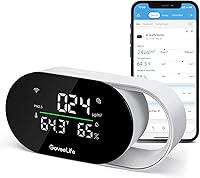
A digital detector measures radon at its location and displays readings over time. It can help you observe changes, check different rooms or monitor after home improvements, but its readings are not a lab report.
Radon detector vs test kit: what is the difference?
A test kit collects a sample for analysis; a detector gives readings from a sensor over time. Each method answers a different question.
With a kit, follow the setup directions, leave it undisturbed for the full test period and return it as instructed. The result reflects that collection period and the lab process used for the sample.
A detector is an electronic device you can keep in a room and check again. Depending on the model, it may show short-term and long-term readings or let you move it between rooms.
Neither method makes every other measurement unnecessary. Radon readings can vary, so consider the measurement period and purpose before treating one result as a complete picture.
If you're comparing indoor-air tools, see our air quality monitor guide. For a closer look at detector choices, read best radon detector for home.
When should you choose a radon test kit?
Choose a test kit when you need a sample analyzed after a specific measurement period. It can suit one-time screening or a situation where a lab result is requested.
Read the kit directions before opening it. They should tell you where to place the kit, how long to leave it in place and how to return it for analysis.
Keep the kit in the required area during the test. Avoid moving or blocking it, or exposing it to conditions the instructions warn against, since those actions can affect the sample.
A kit is less convenient when you want to watch readings change from day to day. After sending the sample, you wait for analysis rather than seeing a live display.
Our best radon test kits page covers kit options. If you need a documented result, confirm the required test method before starting.
When is a reusable radon detector more useful?
Choose a reusable detector when you want repeat readings or to observe changes over time. It can also help when you want to compare rooms or check readings after mitigation.
The Airthings Corentium Home runs on 3 AAA batteries and displays short-term and long-term readings. Airthings says it shows daily, weekly and long-term averages and can generate a radon self-inspection report.
The AEGTEST HOUND-1011S shows readings over several timeframes, from 12 hours to 504 days, and supports pCi/L or Bq/m³. It has audible and visual alarms, and AEGTEST advises keeping humidity below 90% and avoiding direct strong light.
A reusable monitor does not automatically meet every formal testing need. Check whether a detector reading suits your decision, and ask a qualified professional when you need advice on testing or mitigation.
For operating steps with one model, see how to use Airthings radon detector. Our guide on whether radon detectors work explains what a monitor can tell you.
Can a detector and a test kit be used together?
Yes, both can provide ongoing readings plus a separate sample result. The methods can complement each other when you want regular monitoring and lab analysis.
A detector can help you notice changes between tests. A kit can provide a sample for the period and process set out in its instructions.
Keep the methods distinct when comparing results. They may cover different time windows, locations or measurement approaches, so small differences do not by themselves show that one method failed.
If results seem inconsistent, review each device's placement and instructions. Seek qualified radon measurement advice if the result affects a purchase, renovation or mitigation decision.
What should you compare before buying?
Compare the result type, measurement period and placement needs before choosing a kit or detector. Choose the method that matches what you need to learn.
For a kit, check the test duration, sample handling steps, lab process and how results are delivered. Make sure you can leave it in the required place for the whole period.
For a detector, check how readings are displayed, whether it supports your preferred units and how it is powered. Consider whether you need portability, alarms or longer-term tracking.
Placement matters for both. Choose a location that follows the instructions and represents the area you want to assess.
If your main concern is a basement, see how to mitigate radon in a basement for next steps. For installation questions, review how to install a radon mitigation system and work with qualified help where needed.
How should you interpret a radon result?
Use a result for the period and location it represents, then follow local public-health guidance for next steps. Interpret a sample or reading in context.
A test kit gives a result from its collection period. A detector can show short-term and longer-term readings, which may help you distinguish a brief change from a pattern over time.
If a result concerns you, use a follow-up method recommended by your local health authority or a qualified radon professional. A detector's display alone does not confirm that a home is safe or that mitigation is working.
After mitigation, measurement can help you check the outcome. Ask the installer which testing approach and timing they recommend, then keep records of results.
Which should you choose: a radon detector or test kit?
Pick a kit for a defined sample and lab analysis; pick a detector for repeat readings and ongoing monitoring. Choose both if you need regular readings plus a separate sample result.
A kit suits a bounded test with clear start and return steps. A detector suits repeat checks, room-to-room readings or monitoring changes after home improvements.
If you are deciding between detector models, compare their display, power and monitoring features in our best radon detector for home guide. Use local health guidance or a qualified professional when a result needs to support a formal decision.
Frequently asked questions
Is a radon detector as accurate as a test kit?
The two methods measure radon differently, so don't assume their results are interchangeable. A detector gives sensor readings over time, while a test kit collects a sample for analysis.
Follow the kit instructions or detector guidance.
For decisions that require formal confirmation, ask a qualified measurement professional which method to use.
How long should a radon test kit run?
Use the test period in the kit instructions, since collection times can vary. Keep the kit in the required location and avoid moving or disturbing it during sampling.
Return it as directed so the sample can be analyzed.
An incomplete or mishandled sample may not give a useful result.
Can a radon detector replace a lab test?
A detector helps you monitor readings over time, but it does not use the same process as collecting a sample for lab analysis. If you need a result for a transaction, official requirement or professional assessment, check which method is accepted before choosing a monitor or kit.
Should I test radon again after mitigation?
Yes, measure radon after mitigation to check how readings have changed, using a method suited to your purpose. Follow the professional's advice and the measurement instructions, and consider longer-term monitoring because readings can vary.
A detector can track changes, while a test kit can provide a separate sample result.
Where should I put a radon detector?
Place a detector where you want to monitor and follow its instructions for height, room conditions and placement. Avoid moving it during a measurement period unless it is designed for room-to-room use.
For the AEGTEST HOUND-1011S, avoid direct strong light and keep humidity below 90%.