What Is a Wind Speed Sensor Called? A Practical Guide
A wind speed sensor is most commonly called an anemometer. This handy device is used to measure wind speed and often, but not always, wind direction. Think of it as the eyes and ears for weather conditions, telling you how hard the wind is blowing. You’ll find them on weather stations, sailboats, and even in wind farms.
While anemometer is the main term, you might hear related phrases. Devices that measure wind direction are often called wind vanes. Some advanced sensors combine both functions. Understanding these tools helps you make better decisions, whether you’re planning a picnic or powering your home with wind energy. They are vital for understanding our atmosphere.
- The most common name for a wind speed sensor is an anemometer.
- Anemometers measure how fast the wind is moving.
- Many also measure wind direction, sometimes alongside a wind vane.
- You’ll see them in weather forecasting and renewable energy.
- They help us understand atmospheric conditions better.
Ready to learn more about what makes these instruments tick? Below, we break down the different types and how they work in simple terms.
“`htmlUnderstanding the Different Types of Wind Measurement Tools
So, we know the most common name is an anemometer. But not all wind sensors are created equal. They come in various shapes and sizes, each designed to measure wind in a slightly different way. Understanding these differences can help you choose the right one for your needs.
The Classic: Cup Anemometers
When most people picture a wind speed sensor, they imagine the cup anemometer. This is the most widely recognized type. It features three or four conical cups mounted on arms that extend from a central shaft. As the wind blows, it pushes the cups, causing them to rotate.
The faster the wind, the faster the cups spin. The sensor measures this rotational speed and translates it into a wind speed reading, usually in miles per hour (mph), kilometers per hour (kph), or knots. These are often found on weather stations and rooftops. They are generally very durable.
Spinning Into Action: Vane Anemometers
Another common type is the vane anemometer, sometimes called a propeller anemometer. Instead of cups, this type uses a propeller that spins when the wind hits its blades. Think of it like a small windmill.
Similar to the cup anemometer, the speed of the propeller’s rotation directly corresponds to the wind speed. These can be very accurate. Some vane anemometers also have a tail fin, allowing them to orient themselves into the wind. This combination helps measure both wind speed and, indirectly, wind direction.
Silent Wind Detectors: Ultrasonic Anemometers
These are a bit more high-tech. Ultrasonic anemometers don’t have any moving parts. Instead, they use sound waves to measure wind. They work by sending ultrasonic pulses between pairs of transducers. The wind distorts the path of these sound waves.
By measuring the time it takes for the sound to travel between the transducers, the sensor can calculate the wind speed and direction. These are known for their accuracy and ability to detect very slight changes in wind. They are often used in professional meteorological applications and research. Because they have no moving parts, they require less maintenance over time.
Other Ways to Measure the Breeze
While cup, vane, and ultrasonic are the most common, there are other interesting types of wind sensors:
Hot-Wire Anemometers
These devices use a thin, electrically heated wire. When wind blows across the wire, it cools it down. The sensor then measures how much electrical power is needed to keep the wire at a constant temperature. This power difference tells you the wind speed. They are very sensitive but can be fragile.
Laser Doppler Anemometers
These use lasers to measure wind speed. They work by detecting how the wind affects light particles. Laser anemometers can measure wind without touching it, which is useful in sensitive situations. They are often used in industrial settings or wind tunnel experiments.
Pitot Tube Anemometers
You might have seen these on airplanes. A pitot tube measures air pressure. It has an opening facing the wind, which measures the total pressure. Another opening measures the static pressure. The difference between these pressures indicates the wind speed. They are often used in aviation and industrial airflow measurements.
Beyond Speed: Measuring Wind Direction
Wind doesn’t just blow hard; it blows *from* somewhere. While some anemometers can also tell you direction, the dedicated tool for this is called a wind vane. Think of the classic rooster on top of a barn.
A wind vane is essentially a directional pointer that rotates freely on a vertical rod. One end is usually shaped like an arrow or a fin, catching the wind, while the other end is heavier and acts as a counterweight. The arrow end will point into the wind, showing you where the wind is coming from.
How Vanes Work with Anemometers
Many modern weather stations combine both functions in a single unit. You might see a spinning cup anemometer attached to a directional vane. Some electronic sensors use two wind vanes to get a precise direction reading. This allows you to get a complete picture of the wind’s behavior.
The Importance of Wind Direction Data
Knowing wind direction is just as important as knowing wind speed. For sailors, it dictates the best course to steer. For farmers, it can indicate potential pollen or pesticide drift. For weather forecasters, it helps predict storm movement. It’s a key piece of the atmospheric puzzle.
Putting It All Together: What You Need to Know
When you’re looking at weather reports or considering wind energy, understanding these terms helps. An anemometer is your primary tool for measuring how fast the wind is going. A wind vane shows you where it’s coming from.
Choosing the Right Sensor for You
For home use, a simple cup or propeller anemometer is usually perfect. They are affordable and provide reliable readings for daily weather checks. If you’re into sailing or aviation, you might need more precise instruments. For serious weather enthusiasts or those considering solar or wind power, more advanced ultrasonic or integrated systems might be worth the investment.
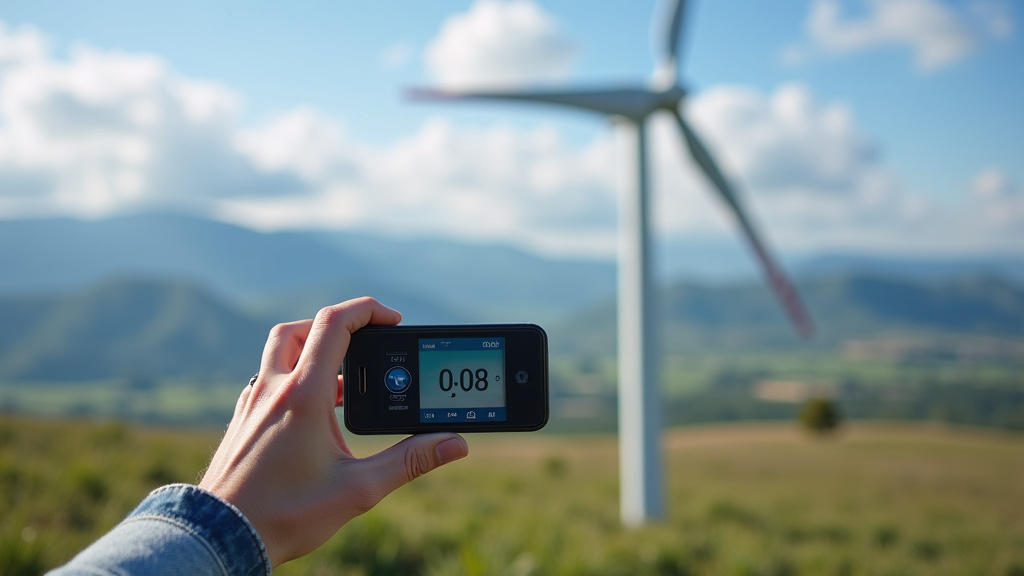
We found that even basic home weather stations offer surprisingly accurate wind speed data. Many online weather services also use data from networks of these sensors. You can even find handheld anemometers for quick checks on the go.
Key Features to Consider
When selecting a wind sensor, think about:
- Accuracy: How precise do you need the readings to be?
- Durability: Will it withstand harsh weather?
- Power Source: Does it need batteries or solar power?
- Data Display: How will you see the readings? (Digital screen, app, etc.)
- Additional Features: Do you need wind direction, temperature, or other measurements?
| Sensor Type | How It Works | Typical Uses | Pros | Cons |
|---|---|---|---|---|
| Cup Anemometer | Rotating cups catch the wind | Weather stations, general forecasting | Durable, reliable, common | Can be affected by ice/debris |
| Vane Anemometer | Propeller spins with wind | Weather stations, wind turbines | Accurate, can be combined with direction | Moving parts can wear out |
| Ultrasonic Anemometer | Sound waves measure wind | Research, aviation, advanced forecasting | No moving parts, very accurate | More expensive, complex |
| Wind Vane | Pointer shows wind direction | Weather stations, sailing, aviation | Simple, effective for direction | Doesn’t measure speed |
A Quick Checklist for Wind Measurement
Before you buy or interpret wind data, keep these points in mind:
- The main tool for wind speed is an anemometer.
- Wind vanes measure wind direction.
- Cup and propeller types are most common.
- Ultrasonic sensors offer high precision without moving parts.
- Always consider your specific needs when choosing.
- Accurate wind data helps with planning and safety.
Conclusion
You’ve learned that a wind speed sensor is commonly called an anemometer, with wind vanes measuring direction. We’ve explored various types, from the familiar cup anemometers to advanced ultrasonic models, each suited for different needs. Understanding these tools helps you interpret weather data better and make informed decisions, whether for home use or professional applications. Now you can confidently identify wind sensors and appreciate their role in understanding our atmosphere.
Consider what you want to measure and where. This will help you choose the right anemometer or weather station for your home or hobby.
Frequently Asked Questions
What’s the simplest way to measure wind speed at home?
For home use, a cup anemometer or a propeller (vane) anemometer is usually the best choice. These are the most common types found on basic home weather stations. They are generally affordable and provide reliable readings for everyday weather checks.
Can one device measure both wind speed and direction?
Yes, many modern weather stations combine both functions in a single unit. You’ll often find a wind speed sensor (like a cup anemometer) attached to a directional wind vane. This integrated design gives you a complete picture of the wind’s behavior at a glance.
Are ultrasonic anemometers worth the extra cost?
Ultrasonic anemometers are more expensive but offer great accuracy and require less maintenance because they have no moving parts. If you need precise readings for research, aviation, or advanced forecasting, they can be a worthwhile investment. For general weather observation, simpler types are often sufficient.
How does a wind vane actually show wind direction?
A wind vane is designed with a fin that catches the wind. This fin rotates freely on a rod, allowing the vane to turn. The arrow-shaped end will always point into the wind, indicating the direction the wind is coming from.
What does it mean when wind speed is measured in knots?
A knot is a unit of speed equal to one nautical mile per hour. It’s commonly used in sailing, aviation, and meteorology. While mph and kph are more common for general weather, knots are often seen in specialized wind speed measurements.