How to Choose a 5-Inch Rain Gauge Replacement Tube
Choose a 5 inch rain gauge replacement tube by matching its diameter, height, base and measurement scale to your existing collector. The phrase “5 inch” may describe only one dimension, so measure the old tube and holder before you buy.
On this page (9 sections)
- What should match on a 5 inch rain gauge replacement tube?
- Does “5 inch” mean the tube is 5 inches tall?
- Which measurement scale should you choose?
- Which products may help with rainfall measurement?
- How do you install a replacement tube?
- How should you care for the tube?
- What mistakes cause a poor fit or unreliable readings?
- What should you check before ordering a replacement tube?
- How to choose the right 5 inch rain gauge replacement tube
A 5 inch rain gauge replacement tube needs to match the collector that holds it. Measure the old tube’s diameter and height, check its base and opening, and compare the scale before ordering.
The name alone does not confirm a fit. A tube that looks close may sit loosely, fail to reach the holder, or use graduations that don’t match your records.
This guide is for people replacing the removable tube in a manual rain gauge. If you need a quick primer on how the collector and tube work together, start with [What Is a Rain Gauge?
What You Should Know](/what-is-a-rain-gauge/).
What should match on a 5 inch rain gauge replacement tube?
Match the tube’s outside diameter, total height, opening, base and measurement scale to your existing tube and holder. Those details determine whether the replacement sits securely and gives readings you can use.
| What to check | How to compare it |
|---|---|
| Outside diameter | Measure across the tube’s widest part, then check the holder’s inside opening |
| Height | Measure from the bottom to the rim, excluding any cap or separate fitting |
| Opening | Compare its width and shape with the old tube |
| Base | Check whether the bottom is flat, rounded, narrowed or shaped to sit in a holder |
| Graduations | Match units, spacing and visible range |
| Material | Note whether the old tube is glass or plastic and whether you need the same material |
Use a ruler for height and a ruler or caliper for diameter. Measure more than once, especially if the tube is tapered or has a lip that makes its rim wider than the body.
If the old tube is broken, measure the holder’s inside opening and depth. Keep any remaining pieces that show the tube’s shape or graduations, and look for a model label on the gauge.
How do you measure a 1 inch diameter rain gauge replacement tube?
A 1 inch diameter rain gauge replacement tube should be compared by its outside diameter, because the outside of the tube must fit inside the holder. Measure across the widest part of the tube, then measure the holder’s inside opening.
Account for the tube wall. The inside diameter is smaller than the outside diameter, and a stated “1 inch” size may not tell you which measurement it means.
Also compare the height and bottom shape. A tube with the right diameter can still sit too high, fall too low or fail to rest securely in the collector.
Is a 1 1/2 inch glass rain gauge tube a fit?
A 1 1/2 inch glass rain gauge replacement tube is a match only when its actual dimensions and shape suit your holder. The size label alone doesn’t confirm the height, opening or base.
Glass and plastic tubes can differ in wall thickness and weight. Check that the holder supports the tube securely, and take care when measuring or handling glass.
Does “5 inch” mean the tube is 5 inches tall?
Not necessarily. Treat “5 inch” as a clue, not a complete fit specification, until you know what the measurement describes.
Some names may refer to a tube’s height, while others may describe a size or capacity. Compare the dimensions with your measurements, and confirm what the size label means if that detail is unclear.
A tube that is 5 inches tall may still have the wrong diameter or base. A replacement with a different height may also sit at the wrong level in the collector or make the scale harder to read.
If you’re comparing a different tube size, our guide to an 8 inch rain gauge replacement tube covers the same fit checks. For more options, see our best rain gauge replacement tube guide.
Which measurement scale should you choose?
Choose graduations that match the units and range you already use. A scale in inches is easier to compare with old records in inches than one marked in millimeters.
Check the spacing between marks and how clearly you can see them where the gauge will sit. Fine or faint marks can be difficult to read from a window or across a garden.
Think about how you record rainfall, too. If you compare readings over time, keeping the same unit and similar mark spacing makes those records easier to interpret.
The tube’s graduations don’t determine how the collector handles rainfall. For another rain measurement approach, see weighing bucket rain gauges.
A manual tube gauge holds water for a reading, while a self-emptying weather station can record rain through a different mechanism.
For that distinction, see How to Choose Between Recording and Non Recording Rain Gauges, How Does a Tipping Bucket Rain Gauge Work? What It Does and [What Is a Self Emptying Rain Gauge?
Explained](/what-is-a-self-emptying-rain-gauge/).
Which products may help with rainfall measurement?
These are complete outdoor gauges or weather stations, not stand-alone replacement tubes. Choose one if you need a full measuring setup rather than a tube for a collector you already own.
The AcuRite Iris sensor sends readings to a compatible AcuRite 5-in-1 display, sold separately. It suits someone replacing a compatible sensor or building out a matching station, but skip it if you only need a manual gauge tube.
Confirm that your display model is compatible before choosing this sensor. It requires 4 AA alkaline or lithium batteries, which are sold separately.
The JMBay gauge includes an adjustable-height stand and a red floating buoy that marks the water level. It suits a buyer who wants a complete yard gauge with a removable tube and a stand that can be set to either of its two stated heights.
Skip it if you need a replacement tube guaranteed to fit a different gauge. The removable tube is part of this complete gauge, and its dimensions should be checked against your existing holder before you assume it will work as a spare.
This station receives rainfall readings along with indoor and outdoor weather information. It suits someone replacing an entire monitoring setup, not someone seeking a tube-only part.
For glass options, compare your measurements with our best glass rain gauge guide. A glass gauge may suit someone replacing a full manual unit, but check its tube and holder dimensions before assuming it fits your existing collector.
How do you install a replacement tube?
Install the tube only after confirming that it sits securely in the holder and faces upright. A loose, tilted or partly blocked tube can make it harder to collect and read rainfall consistently.
Start by removing the old tube carefully and setting it aside. Clean the holder and inspect its opening for dirt, plant material or damage that could keep the new tube from sitting correctly.
Lower the replacement into place without forcing it. It should rest in its intended position without wobbling or catching; if it binds, rocks or sits at an odd angle, remove it and recheck the dimensions and base shape.
Set the gauge where its opening can collect rain freely. Keep it clear of nearby branches, walls and other obstructions that could shield it from rainfall or add runoff from another surface.
Once installed, check that the tube is vertical and that you can see its graduations from your usual reading position. If you need to move the gauge to read it, return it to the same level, upright position afterward.
How should you care for the tube?
Keep the opening and scale clear so water can enter and readings stay visible. Check for leaves, dirt, insects or other debris after windy weather and during routine yard care.
Empty a manual gauge after you record a reading, then return the tube to its normal position. If you track rainfall, write down the value before emptying it so you don’t lose the measurement.
Rinse away dirt with water and use gentle handling, particularly with glass. Avoid scraping the graduations with a hard tool, since damaged or obscured marks can make readings harder to compare.
Inspect the tube and holder for cracks, chips or a loose fit. If the tube is damaged, replace it with one that matches the holder rather than trying to hold it in place with an improvised shim or adhesive.
Keep the gauge in a spot where you can reach it safely. A location that is easy to inspect makes it more likely you’ll notice debris or a tube that has shifted.
What mistakes cause a poor fit or unreliable readings?
The most common mistake is choosing by the “5 inch” label alone. That label doesn’t establish the tube’s outside diameter, wall shape, base or how it sits in your collector.
Another mistake is measuring only the opening. A matching rim won’t help if the body is too wide for the holder or the tube’s bottom shape doesn’t sit properly.
Don’t mix up inside and outside diameter. The outside measurement determines whether the tube fits in the holder, while the inside measurement describes the space available within the tube.
A tube that fits can still be inconvenient if its scale is hard to read or uses different units from your records. Check the printed range, mark spacing and visibility before buying.
Avoid placing the gauge where a roof edge, tree or wall blocks rain or funnels runoff into it. If you move the gauge, keep its placement consistent when comparing readings over time.
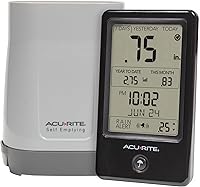
Finally, don’t treat a full weather station sensor as a tube replacement. The AcuRite Iris 5-in-1 sensor measures rain as part of a wireless weather system, and the AcuRite Iris weather station includes a self-emptying collector.
Those are options for a broader setup, not a direct substitute for a manual tube.
What should you check before ordering a replacement tube?
Before ordering, compare the replacement’s dimensions and scale with your old tube and holder. A name that includes “5 inch” or “1 inch” doesn’t guarantee a match.
Use this checklist:
- Measure the old tube’s outside diameter and height.
- Measure the holder’s inside opening and depth.
- Compare the tube’s opening and bottom shape.
- Match the scale’s units, spacing and range.
- Check whether the tube material suits your holder and handling needs.
- Confirm that the replacement is sold as a tube, not as a complete gauge.
- Check that the tube will be easy to read in the gauge’s planned location.
If the old tube is broken, take measurements from the holder and compare them with any surviving pieces. A model label or a clear photo of the original gauge can also help you identify the right shape.
Don’t order until the key fit measurements are clear. If the available dimensions are incomplete, ask for clarification or choose a complete gauge with a removable inner tube only after checking its fit against your holder.
How to choose the right 5 inch rain gauge replacement tube
Choose a 5 inch rain gauge replacement tube when its outside diameter, height, base and graduations match your collector. If you can’t confirm those measurements, compare complete gauges with removable tubes or replace the full collector.
For a tube-only repair, use the old tube and holder as your measuring guide, then check that the scale suits your records. Choose a complete gauge or weather station if you also need a new collector or a system that records rainfall.
Keep the old tube’s measurements and scale in hand while you compare options. For a manual gauge, how to read a rain gauge can help you make sense of the measurement once the replacement is in place.
Frequently asked questions
How do I choose a 5 inch rain gauge replacement tube?
Measure the tube’s outside diameter and height, then compare its opening, base and graduations with the old tube and holder. The phrase “5 inch” alone may not describe all of those dimensions.
Confirm the replacement fits the collector and uses a scale you can read.
Are 1 inch diameter rain gauge tubes interchangeable?
Not always. A 1 inch outside diameter is only one measurement; tube height, wall shape, opening, base and how the gauge holds it can also affect fit.
Compare the replacement with the old tube and collector before ordering.
Can a 1 1/2 inch glass rain gauge tube replace a plastic tube?
Only if its dimensions and mounting match your collector. Glass and plastic tubes may differ in outside diameter, height, opening and base shape, even when both measure rainfall.
Check the holder and the tube’s measurement scale before choosing a material.
Do replacement rain gauge tubes need the same graduations?
Matching the graduations makes readings easier to compare with your old records. Check the unit, spacing and printed range, as well as whether the marks are easy to see at your usual viewing distance.
A tube that fits but uses a different scale can change how you record readings.