Do Humidifiers Help with Allergies?
A humidifier may ease dry-air irritation, but it doesn't remove allergens. Keep indoor humidity moderate and clean the unit often, since excess moisture can support mold and dust mites.
On this page (9 sections)
- Do humidifiers help with allergies?
- When can a humidifier help with allergies?
- Can humidifiers make allergy symptoms worse?
- What humidity level should you aim for?
- Is a humidifier good for allergies compared with an air purifier?
- How do whole-home humidifiers fit into allergy management?
- Should you choose cool mist or a vaporizer?
- What should you do if allergy symptoms continue?
- Are humidifier reviews for allergies enough to choose a model?
A humidifier may ease dry-air irritation, but it doesn't remove allergens. It can add comfort when indoor air is dry, yet too much moisture may encourage mold and dust mites.
Measure the room's humidity before turning on a humidifier. Aim for comfortable air without damp surfaces, condensation, or musty smells.
Do humidifiers help with allergies?
They may help with dryness-related discomfort, but they don't treat the cause of an allergy. A humidifier adds water vapor to indoor air; it does not capture pollen, pet dander, dust, or mold spores.
Dry air can bother the nose and throat. If that is part of what you're experiencing, added moisture may feel soothing, but symptoms can have different causes.
Don't assume more humidity is better. A room that stays damp can create conditions that support mold and dust mites, so use a humidity monitor and adjust the unit based on the room.
When can a humidifier help with allergies?
Consider one when measured indoor air is dry and dryness is bothering you. It may be a comfort measure for a dry nose or throat during dry indoor conditions.
It isn't a substitute for reducing allergen exposure. Wash bedding regularly, address visible mold or leaks, and follow appropriate steps for the specific trigger you suspect.
A bedroom unit should match the room and be easy to clean. For choosing a model, see our guide to the best bedroom humidifier for allergies.
Can humidifiers make allergy symptoms worse?
Yes, excess moisture and poor cleaning can create conditions that worsen indoor allergy concerns. Mold can grow where moisture persists, and dust mites do well in humid environments.
Watch for window condensation, damp walls, musty odors, or moisture collecting around the unit. If these appear, reduce or stop humidifier use and find the source of moisture.
Clean the reservoir and other parts according to the manufacturer's instructions. For a unit that needs routine care, follow our steps for how to clean a Honeywell humidifier.
What humidity level should you aim for?
Use a moderate indoor humidity level and avoid letting the room stay damp. AprilAire says its humidifiers can help maintain 40%–60% humidity; your home's needs and equipment instructions may differ.
A separate hygrometer can help you understand what is happening in the room. Check it at different times, since cooking, showers, weather, and heating can change humidity.
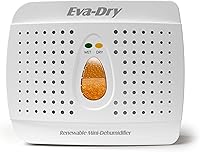
If humidity is already high, adding moisture is unlikely to help. A compact moisture absorber may suit a small enclosed space, but it is not an air cleaner or a whole-room allergy solution.
Eva-Dry's mini dehumidifier absorbs up to 6 oz of moisture and is intended for areas up to 333 cubic feet. Use it in a small space that fits this capacity, and recharge it as needed.
For broader humidity decisions, read humidifiers for home: the complete buying guide. If your concern is an overly damp room, compare humidity control options before adding a humidifier.
Is a humidifier good for allergies compared with an air purifier?
A humidifier adds moisture; an air purifier is designed to filter particles from air. They serve different purposes, so the right choice depends on whether dryness or airborne particles are the main concern.
A humidifier won't remove pet dander or pollen from a room. An air purifier doesn't correct dry air, and its suitability depends on its filter and the room.
If you're deciding between the two, our guide to humidifier vs air purifier explains the different roles. For broader allergy and sinus comfort options, see best humidifier for allergies and sinus.
How do whole-home humidifiers fit into allergy management?
A whole-home humidifier can add moisture through a home's heating system, but it still needs correct settings and maintenance. It does not remove allergens, and its effect on comfort depends on indoor conditions.
AprilAire's Model 35 water panel is made for specified AprilAire whole-home humidifier models. Its porous ceramic-type coating absorbs water to support evaporation, and AprilAire recommends replacing it once during the season.
Check the model number on your humidifier before choosing a panel. Model 35 fits selected 300, 350, 360, 560, 560A, 568, 600, 600A, 600M, 700, 700A, 700M, 760, 760A, and 768 models.
AprilAire Model 10 is made for a different set of compatible humidifiers. Its water panel has the same general evaporation role, but it is not interchangeable with Model 35.
Model 10 fits selected 110, 220, 500, 500A, 500M, 550, 550A, and 558 models. Check your humidifier's model before ordering and follow its instructions for panel replacement.
Should you choose cool mist or a vaporizer?
Choose a humidifier type based on the room, household needs, and the manufacturer's safety instructions. Both approaches add moisture, so neither should be used to make a room damp.
A cool mist unit doesn't heat water to make vapor, while a vaporizer uses heat. Keep any humidifier out of reach of children if its design or placement creates a burn or spill hazard.
Our comparison of cool mist vaporizer vs humidifier covers the difference. Readers weighing asthma-related concerns can also review do humidifiers help with asthma and best cool mist humidifier for asthma.
What should you do if allergy symptoms continue?
Treat a humidifier as a comfort tool, not a diagnosis or allergy treatment. If symptoms continue, worsen, or interfere with sleep, talk with a health professional about likely triggers and care.
Keep the room clean and dry enough to avoid persistent moisture. Address leaks, wash bedding, and use the humidity reading to decide whether adding or removing moisture makes sense.
Are humidifier reviews for allergies enough to choose a model?
Reviews can help you compare cleaning, noise, and ease of use, but they can't show whether a humidifier suits your room's humidity. Check the room size guidance, cleaning steps, and available controls before choosing.
Look for a unit you can maintain consistently. If it is hard to clean or refill, you may be less likely to follow the care routine that helps prevent buildup.
A humidifier may be reasonable when air is dry and measured humidity supports adding moisture. Choose a dehumidifier when a room stays damp, and address allergen sources separately.
For a model shortlist, compare best humidifier for allergies and sinus with your room size and cleaning needs.
Frequently asked questions
Do humidifiers help with allergies?
A humidifier may ease discomfort from dry air, such as a dry nose or throat, but it doesn't remove pollen, pet dander, or dust. Keep humidity moderate, since damp conditions can encourage mold and dust mites.
If symptoms persist, ask a health professional about allergy care.
Is a humidifier good for allergies at night?
It may help if dry bedroom air is bothering your nose or throat, but it won't clear allergens from bedding or the air. Use a humidity monitor, avoid making the room damp, and clean the humidifier as directed.
Wash bedding and reduce dust to address common indoor triggers.
Can a humidifier make allergies worse?
Yes, if it raises humidity enough to support mold or dust mites, or if the unit is dirty. Keep the room from feeling damp, follow the manufacturer's cleaning instructions, and fix leaks or condensation.
A humidifier doesn't replace allergen control or medical advice.
Should I use a humidifier or dehumidifier for allergies?
Choose based on measured indoor humidity. A humidifier adds moisture when air is too dry, while a dehumidifier removes moisture when a room stays damp.
Neither removes airborne allergens on its own, so pair humidity control with cleaning, ventilation, and appropriate allergy care.