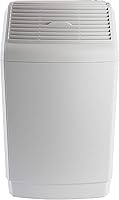
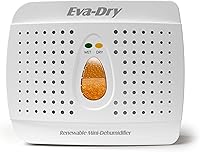
Humidifier vs Air Purifier: Which Do You Need? (November 2026)
Choose a humidifier to add moisture to dry air, or an air purifier to filter airborne particles. A combo can do both, but it still needs to match your room and the concern you want to address.
On this page (7 sections)
- Humidifier vs Air Purifier: Which Do You Need?
- What does a humidifier do compared with an air purifier?
- Which should you choose for your main concern?
- Can one device humidify and purify air?
- What should you compare before buying?
- Does a humidifier help with asthma or allergies?
- Which is right for your room?
Humidifier vs Air Purifier: Which Do You Need?
Choose a humidifier to add moisture to dry air, or an air purifier to filter airborne particles. In a humidifier vs air purifier decision, start with the indoor air concern you want to address.
A humidifier changes moisture levels. An air purifier moves room air through filters that capture particles, and some models also target odors.
If you want both functions, a combo may suit your space. Compare the device’s stated functions and room coverage before choosing.

 Best for one-device air care
Dreame Air Purifier with Humidifier & Diffuser
What does a humidifier do compared with an air purifier?
A humidifier adds moisture, while an air purifier filters particles from the air. Neither device does the other’s main job unless it is a combo model.
Dry indoor air can make a room feel uncomfortable. A humidifier releases moisture into the room, and some models let you choose a humidity target.
An air purifier draws air through filters. Depending on the model, those filters can capture particles such as dust, pollen, pet dander, or smoke.
The air humidifier vs air purifier vs diffuser guide explains how a diffuser differs from both. A diffuser spreads fragrance and should not be treated as a substitute for either appliance.
Which should you choose for your main concern?
Choose by the job you need done: moisture addition or particle filtration. Room size, maintenance needs, and operating preferences can help narrow the options after that.
Choose a humidifier for dry air
A humidifier fits when you want to add moisture to a room. A model with humidity control can help you keep track of the level you select.
Avoid adding moisture without checking the room. Too much humidity can leave surfaces damp, so follow the appliance instructions and monitor indoor conditions.
If your main goal is to add moisture throughout your home, use our humidifier buying guide for home to compare designs and features. For care, see how to clean a Levoit humidifier.
Choose an air purifier for airborne particles
An air purifier fits when you want a device designed to filter airborne particles. Check the filter type, clean-air delivery rate, and room coverage for the exact model.
The Levoit Air Purifier for Home Pets Hair is one option for particle filtration. Its stated filtration efficiency is 99.97% for 0.1 to 0.3 μm airborne particulates, including pollen, dust, and animal dander allergens.
A smaller option is the Levoit Air Purifiers for Bedroom Home Pets. Its pre-filter and main filter capture lint, hair, pet dander, fine airborne pollutants, and smoke particles.
Can one device humidify and purify air?
Yes, a combo device can add moisture and filter particles in one appliance. Check which functions it includes and whether its stated room coverage fits your space.
The Dreame Air Purifier with Humidifier & Diffuser combines air purification, humidification, and aroma diffusion. It offers Auto, Manual, and Sleep modes, plus app control and PM2.5 monitoring.
The Afloia 1000mL/h Mist Free Humidifier and Air combines evaporative humidification with air circulation support. It has a 5 L tank, top-fill design, and humidity control from 40% to 70% RH.
A single unit can reduce the number of appliances in a room. Separate devices may give you more choice over placement and the features of each appliance.
For more options, compare our best humidifier and air purifier combo picks. If you’re choosing for a larger shared space, see the large-room humidifier and air purifier combos.
What should you compare before buying?
Check room coverage, controls, filter care, and refill needs before choosing a humidifier, purifier, or combo. A feature matters only if it fits your room and routine.
For an air purifier, compare clean-air delivery rate and the coverage figure for the way you’ll use it. The Levoit Core 300-P has a smoke CADR of 143 CFM and is specified for a 222 ft² room at 4.8 air changes per hour.
For a humidifier, consider the tank size, fill method, humidity controls, and cleaning routine. If you prefer mist-free operation, the Afloia combo uses evaporative humidification.
For a combo, check both sets of needs. A large coverage figure for purification does not by itself tell you how well its humidification fits your room.
Does a humidifier help with asthma or allergies?
A humidifier is not an air purifier, and neither device should be treated as a medical treatment. Choose equipment based on the indoor air task, and ask a clinician about asthma symptoms or ongoing breathing concerns.
An air purifier may help filter airborne particles, depending on its filter and use. A humidifier adds moisture, so monitor humidity and follow cleaning instructions to help avoid damp conditions.
Read our explainer on whether humidifiers help with asthma for a careful discussion. A barometer guide to measuring air pressure covers a different indoor and weather measurement, since pressure readings do not measure humidity or particle levels.
Which is right for your room?
Pick a humidifier if dry air and moisture are your concern; pick an air purifier if airborne particles are your concern. Choose a combo when you need both functions and its coverage, controls, and upkeep fit the room.
If you are comparing brands, see our guide to the best Levoit humidifier and purifier options. Match the appliance to the task first, then choose the features you’ll use regularly.
Frequently asked questions
Should I get a humidifier or an air purifier?
Get a humidifier if you want to add moisture to dry indoor air. Get an air purifier if you want to filter airborne particles such as dust, pollen, or pet dander.
If both needs matter, compare combo units and check that their coverage suits the room.
Can an air purifier replace a humidifier?
No. An air purifier filters particles from air, while a humidifier adds water vapor.
They solve different problems, so choose based on whether moisture or particle filtration is your priority.
A combo device can provide both functions.
Can a humidifier replace an air purifier?
A humidifier adds moisture, but that does not make it a substitute for a dedicated air purifier. Some combo units include filtration features, though you should compare their stated functions and room coverage with your needs.
Do I need both a humidifier and an air purifier?
You may want both if you need more humidity and also want to filter airborne particles. A combo appliance can save space, while separate devices let you choose each function on its own.
Track indoor humidity and consider the room's particle concerns before deciding.
Is a humidifier or air purifier better for allergies?
An air purifier is the more direct choice when your goal is filtering airborne particles such as pollen, dust, or pet dander. A humidifier adds moisture and does not automatically remove those particles.
For asthma or allergy concerns, ask a health professional what suits you.