Do Humidifiers Help with Asthma?
A humidifier may ease discomfort from dry air, but it does not treat asthma. Keep indoor humidity moderate, clean the unit as directed, and ask a clinician whether it fits your asthma plan.
On this page (9 sections)
- Do humidifiers help with asthma symptoms?
- Can humidity make asthma worse?
- What humidity level should you aim for?
- Should you choose cool mist or warm mist?
- How should you place and clean a humidifier?
- What if your home is already too humid?
- Who should use the AprilAire 10 water panel?
- When should you ask a clinician about a humidifier?
- What is the practical choice for asthma and humidity?
A humidifier may ease discomfort from dry air, but it does not treat asthma. It can make a dry room feel less harsh on the throat and nose for some people.
That limited comfort benefit is not the same as controlling airway inflammation or preventing symptoms. A humidifier should never replace prescribed asthma treatment or urgent care.
Keep indoor humidity moderate and watch the room rather than trusting the device setting alone. A separate humidity monitor can show whether the air is actually dry or already damp.
Clean the unit exactly as directed and use the water type specified in the manual. A dirty reservoir can turn a comfort tool into an unwanted source of material in the air.
Ask your clinician whether a humidifier fits your asthma plan before you buy one. Your symptoms, triggers, and current treatment matter more than general advice online.
The useful question is whether the room is dry, whether added moisture improves your comfort, and whether you can keep the equipment clean.
Do humidifiers help with asthma symptoms?
A humidifier may ease dryness-related discomfort, but it is not an asthma treatment. Asthma symptoms and triggers vary, so one person may feel better in moderately humid air while another may feel worse.
A humidifier adds water vapor to indoor air. It does not open airways, control inflammation, or replace prescribed asthma treatment.
If dry air seems to bother you, track symptoms alongside room humidity and other possible triggers. Share that pattern with your clinician before making a humidifier part of your routine.
For a separate look at nasal and seasonal symptoms, read whether humidifiers help with allergies. Allergy relief and asthma care are related for some people, but they are not the same question.
Can humidity make asthma worse?
Excess moisture can create conditions that bother some people with asthma. Damp rooms may support mold and dust mites, and a dirty humidifier may spread unwanted material into the air.
Humidity itself is not the only concern in a damp space. Poor ventilation, leaks, and water trapped in building materials can keep moisture high even when a humidifier is off.
Watch for window condensation, a musty smell, damp walls, or moisture around the unit. These signs suggest you should lower or stop humidifier use and address the moisture source.
Condensation on glass often means indoor moisture is higher than the room can handle. Adding more moisture in that situation can make the problem worse rather than better.
A musty smell may point to mold growth in hidden or hard to see places. Covering the smell with scented products does not solve the moisture problem underneath it.
Dust mites thrive in warm, humid bedding and upholstered furniture. Keeping a bedroom too damp can make it harder to keep those materials dry enough for comfort.
A humidifier that is not emptied, cleaned, and dried as directed can also become a problem. Standing water and mineral buildup make routine care harder and less effective over time.
Humidity is only one possible factor. Smoke, strong scents, infections, and other triggers may also affect symptoms, so don't assume a humidifier is the cause or cure.
Track symptoms alongside humidity readings and other exposures before drawing conclusions. Patterns over several days give your clinician more useful information than a single bad night.
Stop using a humidifier if you notice worsening symptoms or a consistently damp room. Seek medical advice when symptoms change, and treat the moisture source at home.
What humidity level should you aim for?
Use a room humidity monitor and avoid letting the space become damp. There is no single target that is right for every person with asthma or every home.
AprilAire recommends a 40%–60% home humidity range for its humidifiers. This is a company recommendation, not an asthma treatment target for every individual.
If you use a humidifier, check the room rather than relying on the device setting alone. Reduce output if you see condensation or notice a damp, musty room.
Does a whole-house humidifier suit asthma concerns?
A whole-house unit can affect several rooms, so monitoring and maintenance matter across the home. It may suit a house where dry air is widespread, but it needs compatible equipment and regular panel care.
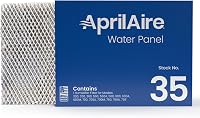
The AprilAire 35 Water Panel Humidifier Filter Replacement fits AprilAire whole-house humidifier models 300, 350, 360, 560, 560A, 568, 600, 600A, 600M, 700, 700A, 700M, 760, 760A, and 768. Its porous ceramic-type coating absorbs water to support evaporation.
Check the model number on your humidifier before choosing a replacement panel. A panel alone does not control room humidity or make a whole-house system appropriate for asthma.
Should you choose cool mist or warm mist?
Choose a humidifier you can clean and maintain, and follow its instructions for safe use. Cool mist avoids hot water in the room, while warm mist uses heated water, but neither type treats asthma.
A cool mist model may be easier to place near sleeping areas where hot water would be a concern. Consider tank access, cleaning steps, and whether the output can be adjusted to prevent a damp room.
Compare cool mist vaporizers and humidifiers to understand the basic differences. For models selected around this use case, see best cool mist humidifiers for asthma.
How should you place and clean a humidifier?
Place the unit where mist can disperse without wetting walls, bedding, or furniture. Keep it on a stable surface and follow the manufacturer's spacing and cleaning directions.
Empty and clean the reservoir as directed, and use the water type specified in the manual. Don't let standing water sit between uses, and replace parts when the instructions call for it.
Our guide to where to place a humidifier at home covers room placement. If you are choosing a unit for a sleeping area, compare bedroom humidifiers for allergy concerns.
What if your home is already too humid?
Don't add moisture to a room that feels damp or shows condensation. First look for leaks, poor ventilation, or other sources of excess moisture.
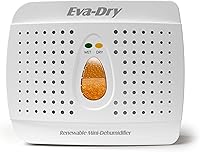
A small moisture absorber can suit enclosed areas such as closets or cabinets, but it is not a room humidifier or an asthma treatment. The Eva-Dry Wireless Mini Dehumidifier uses rechargeable silica gel beads, needs no cords or batteries, and is designed for areas up to 333 cubic feet.
For home-wide humidity needs, compare options in the complete home humidifier guide and whole-house humidifier overview. Choose a dehumidifier only when the space is genuinely damp.
Who should use the AprilAire 10 water panel?
The AprilAire 10 Water Panel Humidifier Filter Replacement fits AprilAire whole-house humidifier models 110, 220, 500, 500A, 500M, 550, 550A, and 558.
Each panel measures 9.5 in W x 9.75 in H x 1.75 in D and has a porous ceramic-type coating. Confirm your humidifier model before buying, since a similar-looking panel may not fit.
This 2-pack suits owners who already have a compatible AprilAire whole-house system and follow its care schedule. It is a maintenance part, not a standalone humidifier.
A replacement panel supports a maintained humidifier, but it does not mean adding humidity will help your asthma. Keep monitoring the room and follow the care schedule for the system.
When should you ask a clinician about a humidifier?
Ask your clinician before changing your asthma routine, especially if symptoms are not well controlled. A humidifier should not delay prescribed treatment or urgent care.
Clinicians can weigh dry air against your known triggers and current medicines. That context is more important than a general claim that humidity helps breathing.
Bring notes about when symptoms occur, the room's humidity, and any visible dampness or mold. Timing, location, and recent exposures can help narrow the possible causes.
Include whether symptoms happen at night, after cleaning, or when the humidifier has been running. Honest notes about what changed make the conversation more productive.
Ask what humidity range, if any, makes sense for your home and symptoms. There is no single target that works for everyone with asthma.
Discuss cleaning routines and when to stop using the device if symptoms worsen. A simple plan you can follow is better than ideal advice you cannot maintain.
Seek prompt care for severe symptoms instead of testing a humidifier as a solution. Comfort measures have a place, but they are not a substitute for medical care.
What is the practical choice for asthma and humidity?
If dry air seems uncomfortable, consider a clean, controllable humidifier and monitor room conditions. If the room is damp, reduce moisture instead.
Start by checking the room with a humidity monitor for several days. That simple step helps you avoid adding moisture to a space that does not need it.
Choose a model only if you can clean it as directed and adjust its output. Ease of maintenance matters more than extra features for most bedrooms and living spaces.
Place the unit where mist can disperse without wetting bedding, walls, or furniture. Keep it on a stable surface and follow the spacing in the manual.
Use a humidifier for comfort only, not as asthma treatment, and discuss recurring symptoms with your clinician. Stop and get advice if symptoms worsen.
For allergy-related comfort, read our guide to the best humidifiers for allergies and sinus comfort.
Frequently asked questions
Do humidifiers help with asthma?
A humidifier may make dry air feel more comfortable, but it does not treat asthma or prevent an asthma attack. Too much indoor moisture can support mold and dust mites, which may bother some people with asthma.
Ask your clinician whether a humidifier suits your symptoms and care plan.
Is a cool mist humidifier better for asthma?
A cool mist model avoids the hot water and steam used by a warm mist unit, but mist type alone does not make a humidifier an asthma treatment. Keep the unit clean, avoid excess humidity, and choose a model you can maintain according to its instructions.
What humidity should I keep for asthma?
There is no single humidity target that works for everyone with asthma. Avoid very damp conditions, watch for condensation or musty odors, and use a humidity monitor to understand your room.
Your clinician can help set a suitable range based on your symptoms and triggers.
Can a humidifier make asthma worse?
It can contribute to a problem if it raises room humidity too much or is not cleaned as directed. Damp areas can encourage mold and dust mites, which may trigger symptoms for some people.
Stop using it if you notice worsening symptoms and seek medical advice.