Do Ultrasonic Humidifiers Work?
Yes, ultrasonic humidifiers can raise indoor humidity by vibrating water into a fine mist that evaporates into room air. Their effect depends on output, room size, airflow, water, and how you measure humidity.
On this page (11 sections)
- How does an ultrasonic humidifier work?
- Do ultrasonic humidifiers raise room humidity?
- What affects how well ultrasonic humidifiers work?
- Why might an ultrasonic humidifier seem ineffective?
- Why does an ultrasonic humidifier leave white dust?
- How do you use one without dampening the room?
- How is ultrasonic mist different from evaporative humidification?
- Can a diffuser work as an ultrasonic humidifier?
- Does an ultrasonic humidifier remove moisture?
- How can you tell if an ultrasonic humidifier is working?
- Do ultrasonic humidifiers work for your room?
Yes, ultrasonic humidifiers can raise indoor humidity by vibrating water into a fine mist that evaporates into room air. The effect depends on the unit's output, room size, ventilation, temperature, water quality, and placement.
A visible mist plume shows droplets leaving the machine, but it doesn't show humidity across the whole room. Use a separate hygrometer away from the outlet to check whether moisture is reaching the space where you spend time.
How does an ultrasonic humidifier work?
An ultrasonic humidifier uses a rapidly vibrating plate to break water into tiny droplets and release them as cool mist. The droplets evaporate into the air, adding water vapor without boiling the water.
A fan may help move the mist, though some models rely more on natural airflow. Evaporative humidifiers use a different process, moving air through a wet wick or panel.
Does an ultrasonic humidifier make steam?
No, an ultrasonic humidifier makes cool mist, not steam. The plume consists of droplets that evaporate into the surrounding air.
Mist can damp a nearby surface before it evaporates. Keep the outlet clear of walls, electronics, and fabrics.
Do ultrasonic humidifiers raise room humidity?
Yes, they can raise humidity when they add moisture faster than the room loses it. A small unit in a large, drafty, or frequently ventilated space may have little effect on a room-wide reading.
Relative humidity changes with moisture and temperature. A reading can shift as a room warms or cools, even when the amount of water in the air changes less.
Give the room time to respond after starting a humidifier. Measure away from the mist outlet, since a nearby sensor may read a damp pocket rather than typical room conditions.
For more about the pros and cons of ultrasonic humidifiers, compare their mist output with their cleaning and water-quality needs.
What affects how well ultrasonic humidifiers work?
Output, room size, airflow, temperature, water, and placement all affect the humidity reading. The same humidifier can behave differently in a closed bedroom and an open living area.
- Room size: More air volume takes more moisture to change relative humidity.
- Air exchange: Open windows, exhaust fans, and leaky doors can carry moisture away.
- Temperature: Warmer air can hold more water vapor, so relative humidity readings depend on room temperature.
- Placement: A plume that hits a wall or shelf may leave that surface wet instead of spreading through the room.
- Water quality: Dissolved minerals can travel with droplets and settle as white residue.
- Runtime and settings: A higher mist setting can add moisture faster, but may increase the chance of damp surfaces nearby.
Use a hygrometer to check the room at a consistent spot and time. If humidity climbs too high or condensation forms on windows, reduce output or run the humidifier for less time.
How does room size affect humidity?
A humidifier generally changes a smaller, closed room faster than a larger open area because there is less air to affect and often less air exchange. Compare the unit's recommended room area with the space you want to humidify.
An open doorway can connect a bedroom to a hallway or adjoining room, increasing the area the mist needs to reach. Ceiling height, drafts, and ventilation also matter.
If you're choosing one for a compact space, see our guide to the best small room ultrasonic humidifier. For a broader home comparison, start with the best humidifier for home.
Can a fan or open window reduce its effect?
Yes, moving air can carry moisture away before it builds up where you're measuring. An open window, running exhaust fan, or strong HVAC airflow may make humidity harder to raise.
You don't need to seal a room completely. Check the humidifier in the conditions you normally use, and close a nearby window if you want to measure its effect in a typical closed room.
Why might an ultrasonic humidifier seem ineffective?
A humidifier may be working while the room reading barely moves because it is undersized, the room loses moisture quickly, or the hygrometer is poorly placed. Check the water level, mist output, and sensor location first.
Look for visible mist at the outlet, but don't rely on plume size alone. Droplets can settle nearby, and a visible cloud doesn't show how much water vapor has spread through the room.
Move the hygrometer away from the humidifier and wait for the reading to settle. Keep it out of direct sunlight, drafts, and contact with exterior walls, which can distort the measurement.
If there is little or no mist, consult the manual for cleaning and troubleshooting steps. Mineral buildup, a low water level, or a part that needs attention can affect operation.
Why does an ultrasonic humidifier leave white dust?
White dust usually comes from minerals in the water that become airborne with droplets and settle as the water evaporates. The amount depends on the water's mineral content and the humidifier's design.
Distilled or demineralized water can reduce mineral residue. Some models accept a cartridge for this purpose, but check that it's compatible before using one.
Should you use a filter with an ultrasonic humidifier?
A compatible demineralization cartridge may reduce minerals carried out with the mist, but it doesn't replace routine cleaning. Follow the humidifier's care instructions and change any cartridge on the schedule its maker recommends.
If you're shopping for an ultrasonic humidifier with filter, check whether the filter is included, replaceable, and intended for mineral reduction. A filter designed for a different humidifier type may not fit or serve the same purpose.
How do you use one without dampening the room?
Use a stable surface, direct mist into open air, and check the room's humidity and nearby surfaces. Don't aim the outlet at a wall, curtain, bed, or electronic device.
Start at a lower output setting, then check the hygrometer after the room has had time to respond. If you see window condensation, wet furniture, or a damp floor, reduce output, move the humidifier, or shorten its run time.
Clean and dry the water tank as the manual directs. This makes routine upkeep easier and helps you monitor the unit.
How is ultrasonic mist different from evaporative humidification?
Ultrasonic units create droplets with vibration, while evaporative models move air over a wet surface so water evaporates from it. The two methods add moisture differently and have different maintenance needs.
Whole-house evaporative systems may use a water panel to support evaporation as warm air passes over it. The AprilAire 35 Water Panel Humidifier Filter Replacement fits specified AprilAire whole-house humidifier models.
The AprilAire 10 Water Panel Humidifier Filter Replacement fits a different set of AprilAire whole-house humidifier models. Check your humidifier's model number before choosing a replacement panel.
These panels are for compatible whole-house systems, not ultrasonic tabletop humidifiers. If you're comparing a heated method with cool mist, read our guide to warm mist vs ultrasonic humidifier.
Can a diffuser work as an ultrasonic humidifier?
A diffuser can release a small amount of water mist, but it's designed for scent diffusion and may not add enough moisture to change room humidity meaningfully. Its water capacity and output may be much lower than a humidifier's.
If you want to use a diffuser you already own, measure the room with a hygrometer instead of assuming visible mist will raise humidity. See whether a diffuser can act as a humidifier for the differences.
Does an ultrasonic humidifier remove moisture?
No, an ultrasonic humidifier adds moisture to air. A moisture absorber may help with excess humidity in a small enclosed area such as a closet or cabinet.
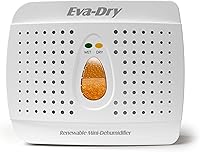
The Eva-Dry Wireless Mini Dehumidifier is a cordless silica gel moisture absorber for small spaces such as closets, cabinets, cars, and boats. It works for areas up to 333 cubic feet and absorbs up to 6 oz of moisture.
How can you tell if an ultrasonic humidifier is working?
Check for mist at the outlet, then track relative humidity with a separate hygrometer positioned away from the unit. Compare readings under similar room conditions rather than judging from the plume alone.
A gradual change in the room reading suggests moisture is reaching the measurement area. If the reading stays flat, review the room size, open windows, airflow, water level, placement, and the humidifier's output setting.
A hygrometer can also help you avoid running the unit longer than needed. Follow the humidifier's instructions for its target settings and care.
Do ultrasonic humidifiers work for your room?
Choose an ultrasonic humidifier when you want a room unit that adds cool mist, and size it for the space you use. Check humidity with a separate hygrometer, use water and filters that suit the model, and reduce output or move the unit if surfaces become damp.
If you need moisture control in a small enclosed space, consider a dehumidifier instead. For a scent device, compare its limited moisture output with a dedicated humidifier before expecting a room-wide change.
Frequently asked questions
Do ultrasonic humidifiers really raise humidity?
Yes, an ultrasonic humidifier can raise relative humidity by turning water into a fine mist that mixes with indoor air. How much it changes depends on the unit's output, room size, ventilation, temperature, and moisture loss.
Check the reading with a separate hygrometer placed away from the mist.
How does an ultrasonic humidifier work?
A vibrating plate breaks water into tiny droplets, and a fan or natural airflow carries the mist out of the unit. The droplets evaporate into the air, adding water vapor.
It does not boil water, so the visible plume is cool mist rather than steam.
Why does my ultrasonic humidifier make white dust?
White dust can form when minerals from tap water become airborne with the mist and later settle on surfaces. Using distilled or demineralized water, or a compatible demineralization cartridge, can reduce mineral residue.
Follow the humidifier's care instructions and clean it as directed.
Where should I put an ultrasonic humidifier?
Place it on a stable, water-safe surface with open space around the mist outlet, following the manufacturer's clearance instructions. Keep mist away from walls, electronics, bedding, and furniture that could get damp.
A hygrometer across the room can help you see whether moisture is spreading evenly.