How to Set Up Continuous Drainage on a Frigidaire Dehumidifier
To set up continuous drainage on a Frigidaire dehumidifier, connect a compatible hose to the drain outlet and route it downhill to a suitable drain. Check the model manual for outlet location and hose requirements, then confirm water flows without kinks or leaks.
On this page (7 sections)
- How do you set up a Frigidaire dehumidifier continuous drain?
- What does gravity drainage require?
- How do you choose the right drain hose?
- What should you check if water still collects in the bucket?
- Which products may help with moisture control?
- How can you prevent leaks after setup?
- What should you do if gravity drainage won't work?
To set up continuous drainage on a Frigidaire dehumidifier, connect a compatible hose to the drain outlet and route it downhill to a suitable drain. Check the model manual for the outlet location and hose requirements, then confirm water flows without kinks or leaks.
This matters most if you run a dehumidifier for long hours in a basement, garage, or laundry area. Emptying a bucket daily is a hassle, and continuous drainage lets the machine keep working without frequent stops.
A gravity drain depends on the hose staying below the outlet along its full path. Even a short section that rises above the outlet can slow flow or cause water to back up toward the unit.
If you need to lift water to a sink or window, check whether your model has a pump and follow its instructions. Do not expect a plain hose to push water uphill on its own.
Before you start, place the unit on a level surface near a floor drain or other suitable point. A short, direct route is usually easier to keep clear than a long run across a room.
Turn the unit off and unplug it before you touch the outlet or remove any cap or plug. Work with dry hands and keep the hose end away from electrical connections.
Fit the hose snugly and check that it cannot easily pull loose when the unit is running. Support the hose so its weight does not tug at the fitting over time.
Once power is restored, watch the first cycle closely for drips or pooling. A slow early check can catch a loose fit before it turns into a leak.
Keep the open end from sitting in standing water at the drain. Submerged ends can block flow and may push water back toward the appliance.
If water flows steadily and the connection stays dry, the setup is ready for regular use. Check the route again after cleaning the filter or moving the unit.
Continuous drainage removes water, but it does not change how often you should clean the filter or inspect the hose. Routine care helps the unit protect the room against damp air and musty odors, and a quick check each week will catch small problems early.
How do you set up a Frigidaire dehumidifier continuous drain?
Attach the right hose, open or uncover the drain outlet as directed, and route the hose downhill. The exact outlet and connection can vary, so use your model's manual before removing a plug or fitting.
- Turn off and unplug the dehumidifier.
- Find the continuous drain outlet and identify any cap or plug the manual says to remove.
- Fit a hose that matches the outlet and tighten it securely without forcing the connection.
- Place the open end over a floor drain or other appropriate drain point.
- Check that the hose slopes down continuously and has no kinks.
- Restore power and watch the first drainage for leaks or backup.
Keep the hose end from sitting in standing water. Secure it so it can't shift away from the drain while the unit runs.
For a broader overview of how to use a dehumidifier drain hose, including routing and common setup issues, see the related guide.
What does gravity drainage require?
Gravity drainage needs the drain point to sit lower than the dehumidifier outlet. Water cannot reliably travel uphill through an ordinary hose without a pump.
Use the shortest practical route with a gradual downward slope. Avoid pinching the hose behind the appliance, looping it on the floor, or routing it over a doorway threshold.
Place the dehumidifier on a level, stable surface near the drain. Don't raise or tilt the unit to create a slope unless the manual specifically allows that setup.
Can a Frigidaire hose drain upward?
Only use an upward route if your specific model has a pump designed for it. A regular gravity hose should not rise above the outlet, because water may stop flowing and spill into the bucket or onto the floor.
A pump-equipped model may discharge to a higher point, but check the manual for maximum lift and hose routing. Don't assume all Frigidaire dehumidifiers include a pump.
How do you choose the right drain hose?
Choose a hose that fits the exact outlet on your Frigidaire model and stays securely attached. Check the manual for connection size and type before buying.
A hose must match the outlet, hold under flowing water, and stay in place while the dehumidifier runs for hours. A hose that is too narrow, too large, or threaded differently may leak or come loose.
Measure the outlet or take the manual's hose details with you when shopping. This can save a return trip and prevent a poor fit at home.
Some outlets use a simple push fit, while others need a threaded connector or a specific adapter. Using the right type helps you tighten the link without forcing it.
Think about length as well as fit. A hose that is too short may pull at the outlet, and a hose that is far too long can loop, kink, or trap air.
Choose a length that gives a gentle downward path to the drain. Extra hose coiled on the floor often creates low spots where water can sit.
Flexibility also matters in tight spaces behind a sofa, washer, or storage shelf. A hose that bends too stiffly can kink at the first turn, while a very soft hose may collapse if pinched or stepped on.
Check the condition of the hose end before you attach it. Cracked, stretched, or worn edges rarely seal well and should be replaced.
See our guide to choosing a drain hose for a Frigidaire dehumidifier for fit considerations. You can also compare continuous drain hoses for dehumidifiers if you need a replacement.
After fitting, tug gently to confirm the hose stays secure, then watch the first drainage cycle. If you see drips, reseat the connection while the unit is off and unplugged.
Store a spare length of hose away from heat and sharp bends. A clean, ready hose makes it easier to replace a worn one before it causes a leak.
Take a little extra time to read the manual section on drainage before you order. The right fit now is far cheaper than a flooded floor or a second purchase later.
What should you check if water still collects in the bucket?
Check the hose connection, outlet, and downward path first. Switch off and unplug the unit before inspecting the hose or drain opening.
Water still collecting in the bucket is a common sign that drainage is not working as intended. The cause is often simple, but it helps to work through the setup step by step.
Look for a kink, a blocked outlet, a loose fitting, or a hose section that rises above the outlet. Any one of these can stop water from leaving the unit by gravity.
Confirm that you removed only the cap or plug specified in the manual. Removing the wrong cover, or leaving a required cap in place, can both interfere with normal operation.
Check that the bucket is seated correctly and that any parts the manual says must be in place are fitted. Some models behave differently when the bucket is absent, tilted, or not fully pushed in.
Trace the hose from the outlet to the drain. Feel for tight bends, pinched sections, or places where the hose dips and rises again.
Clear any blockage at the outlet or hose end only after the unit is off and unplugged. Use care not to push debris deeper into the outlet or damage the fitting.
Make sure the drain end is open and not sitting in standing water. A blocked drain point can back water up into the hose even when the connection looks fine.
If the hose has collected silt or scale, rinse or replace it as the manual allows. A narrowed hose may still look intact while passing very little water.
Restore power and watch the first cycle again, checking both the outlet and the bucket. If water reaches the drain steadily, the fault may have been a kink or loose fit.
If the bucket still fills after those checks, confirm that your model supports continuous draining and that the bucket is installed as instructed. Contact Frigidaire support if the manual's setup does not resolve the issue.
Which products may help with moisture control?
These options serve different needs, so choose based on your room and drainage setup. The hOmeLabs units below have continuous drainage features, while the Eva-Dry is a small cordless moisture absorber rather than a hose-drain appliance.
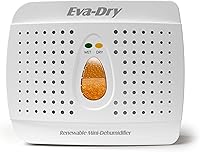
The Eva-Dry Wireless Mini Dehumidifier is intended for small spaces such as closets, cabinets, and cars. It absorbs up to 6 oz of moisture before recharging, so it is not a substitute for a full-size dehumidifier in a damp room.
The hOmeLabs model removes up to 50 pints per day at 80°F and 60% RH, with a built-in pump for continuous drainage. Check the model manual for hose setup and discharge routing before placing it near a drain.
This hOmeLabs dehumidifier removes up to 50 pints per day at 80°F and 60% RH. It has a hose outlet for continuous drainage, with the hose not included, for setups where you can route a hose downhill to a nearby drain.
For more options, browse dehumidifiers with a drain hose. If you're still deciding which dehumidifier to buy, compare the drainage method with your room layout and the location of the nearest drain.
How can you prevent leaks after setup?
Check the connection and drain path after the unit begins running. Watch for drips near the outlet and make sure water reaches the drain instead of pooling around the appliance.
Keep the hose supported so its weight doesn't pull on the fitting. Check it periodically for kinks, clogs, or movement, especially after cleaning or moving the dehumidifier.
A drain hose handles water removal, but it doesn't replace choosing the right appliance for your space. Compare a dehumidifier vs air purifier if you're weighing moisture control against particle filtration, or review 50 pint dehumidifiers for larger areas.
What should you do if gravity drainage won't work?
Use a pump only if the dehumidifier has one, or choose a drain location below the unit. Don't rely on an uphill hose to carry water by gravity.
Some desiccant models may work differently from compressor units, so check the instructions before pairing one with a pump. Our explainer on using a desiccant dehumidifier with a pump covers that question.
For a Frigidaire unit, the model manual is the best source for its exact drain setup. For routine care, see how to clean a Frigidaire dehumidifier.
Pick a downhill floor drain when gravity is the only option, and use a pump-supported route only when the model instructions allow it.
Frequently asked questions
Can a Frigidaire dehumidifier drain continuously through a hose?
Many Frigidaire models support continuous drainage, but outlet and hose requirements vary by model. Check your manual, attach a compatible hose securely, and route it downhill to a drain.
If your unit has a pump, follow its instructions for lifting water to a higher outlet.
Does a continuous drain hose need to slope downward?
Yes, a gravity drain hose needs a steady downward path from the dehumidifier to the drain. Avoid loops, kinks, and uphill sections that can hold water or stop flow.
A pump-equipped model may allow a different route, but follow the manual's limits.
Can I use any garden hose on a Frigidaire dehumidifier?
Not necessarily. The hose must fit the model's drain outlet and form a secure connection.
An ill-fitting hose can leak.
Check the manual for thread size, diameter, or recommended hose type before buying, and route it so it cannot pull loose.
Why is my Frigidaire dehumidifier still filling its bucket?
The bucket may still collect water if the hose connection is loose, the drain outlet is blocked, or the hose runs uphill or has a kink. Turn off the unit before inspecting it, then check the manual's setup steps and confirm the bucket is positioned as required.