
How Does Snow Affect a Wind Vane? An Easy Guide
Snow can definitely affect a wind vane, especially if it builds up. When snow lands on your wind vane’s directional arms or its spinning element, it can unbalance it. This might cause it to stick or spin erratically, making your wind readings less accurate.
It’s not just about heavy snowfalls, either. Even a light dusting can cling and cause problems. The main issue is how the added weight and altered shape of the snow can interfere with the vane’s natural movement. You might notice it pointing in odd directions or not moving at all when the wind is clearly blowing.
- Snow can weigh down a wind vane.
- This can cause it to stick or spin wrongly.
- Even light snow can cause accuracy issues.
- Keeping it clear is key for good readings.
Let’s walk through exactly how snow can change what your wind vane tells you and what you can do about it.
You love your wind vane. It’s a classic garden feature. It also tells you which way the wind is blowing. But what happens when winter arrives and snow starts to fall? You might have noticed your wind vane acting a little strange lately. Snow can really throw it off its game.
Understanding How Snow Interferes with Your Wind Vane
Snow can definitely affect a wind vane’s accuracy. It adds weight and changes the shape of the vane. This can make it harder for the wind to move it freely. The result is often incorrect wind direction readings.
The Weight of Snow
Think of snow like a blanket. When it lands on your wind vane, it adds extra weight. This isn’t just a little bit of extra heft. A few inches of wet snow can be surprisingly heavy. This added weight can make the vane harder to turn. It’s like trying to spin a top that someone is pressing down on.
Impact on Balance
Wind vanes are designed to be perfectly balanced. They need to pivot easily in the slightest breeze. Snow accumulating on one side or on the directional arms can throw off this delicate balance. The vane might then favor a certain direction, even if the wind isn’t blowing that way.
Altered Shape and Surface
Snow doesn’t just sit there; it sticks. It can coat the entire surface of the vane, including the arrow or pointer. This changes the aerodynamic shape. Instead of smooth airflow, the wind hits a rough, uneven surface. This friction can also prevent the vane from spinning freely.
Ice Formation Concerns
Sometimes, snow can melt and then refreeze. This creates ice. Ice is much heavier than snow. It can also freeze the vane in place, making it stick completely. You might have a beautiful ice sculpture, but it won’t be telling you anything about the wind.
Common Issues Caused by Snow and Ice
When snow settles on your wind vane, you’ll likely see a few common problems. These issues all stem from the weight and altered shape. Your vane might not behave as you expect it to during snowy weather.
Sticking and Seizing
This is probably the most common problem. Snow, especially wet snow or ice, can cause the vane to seize up. The spinning shaft might get jammed. Or, the directional arms might get stuck pointing in one direction. The vane simply refuses to move.
Erratic Spinning and Wobbling
Sometimes, instead of sticking, the vane will spin wildly or wobble unnaturally. This happens when the snow load is uneven. One side might be heavier than the other. The wind then pushes and pulls unevenly. This can make the vane spin in circles or shudder back and forth.
Inaccurate Readings
Even if your vane still moves, it might not be giving you an accurate picture. The added weight and altered shape mean it takes more wind force to move the vane. So, a light breeze might not be enough to turn it. Or, the wind direction it shows might be slightly off because of the snow’s influence.
Misinterpreting Wind Direction
You might look outside and see leaves blowing, indicating wind. But your vane is stuck pointing north. Or, it might be spinning, but the direction it settles on seems wrong for the conditions. This misinterpretation of wind direction can be frustrating.
Damage from Extreme Conditions
While less common with typical snow, very heavy, wet snow or ice buildup can sometimes exert too much pressure on a vane. If the vane is old or not very robust, there’s a small risk of it bending or breaking. It’s always good to check on your vane after a big storm.
How Snow Affects Different Types of Wind Vanes
Not all wind vanes are created equal, and snow might affect them differently. The design, material, and installation all play a role. We found that some designs are naturally more prone to snow issues than others.
Traditional Arrow-Style Vanes
These are the classic ones, often with a pointer and a tail. Snow tends to accumulate on the tail and the arrow. This can easily unbalance them. The larger surface area means more snow can stick.
Whirligig-Style Vanes
These have spinning elements. Snow can build up on the blades or spinning parts. This is especially true if the blades are flat. It can hinder the spinning motion. Imagine trying to spin a fan with leaves stuck to its blades.
Decorative Vanes
Many decorative vanes have complex shapes. Think of animals or novelty figures. These intricate designs can provide more places for snow to lodge. Each nook and cranny can catch snow, leading to more weight and less free movement.
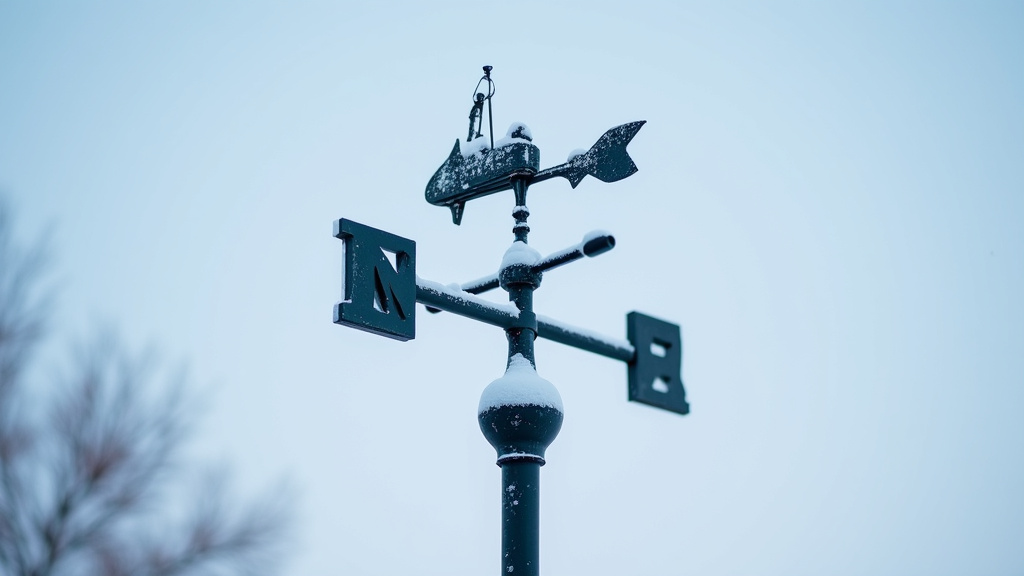
Tips for Dealing with Snow on Your Wind Vane
Keeping your wind vane in good working order during winter is important if you want accurate readings. A few simple steps can make a big difference. We found that regular checks are key.
Regular Visual Inspections
Make it a habit to look at your wind vane after snowfalls. Are you seeing heavy accumulation? Does it look like it’s sticking? A quick glance can tell you if you need to do anything.
Gentle Clearing Techniques
If you see snow or ice, you can gently try to clear it. Use a soft brush or a broom with soft bristles. Never use anything sharp or abrasive. You don’t want to scratch the paint or bend the metal. A gloved hand can sometimes be enough to brush off light snow.
Consider a Protective Cover
When not in use, or during periods of heavy snowfall, you can use a protective cover. This is especially useful for smaller vanes. Just make sure the cover doesn’t trap moisture, as this can lead to ice buildup underneath.
Lubrication and Maintenance
For vanes that tend to stick, a bit of lubrication might help. We found that a silicone-based spray can work wonders. Apply it to the spinning shaft. Do this before the freezing temperatures really set in. Always follow the manufacturer’s recommendations for maintenance.
Choosing the Right Vane for Your Climate
If you live in an area with a lot of snow, consider a vane designed for winter conditions. Some vanes are made with materials that resist ice buildup. Others have simpler designs that are less likely to accumulate snow. A good installer will know which types work best.
Check the Mounting Stability
Snow and ice can add weight, so ensure your vane is securely mounted. A wobbly vane is more likely to get damaged. Make sure the pole is stable and the vane is firmly attached to it. This basic step prevents larger issues.
Here’s a quick checklist for keeping your wind vane snow-ready:
- Check for snow buildup after each snowfall.
- Use a soft brush to gently remove snow.
- Avoid using metal or sharp tools.
- Consider a protective cover during heavy snow.
- Lubricate the spinning parts before winter.
- Ensure the vane is securely mounted.
Conclusion
As you can see, snow can truly impact your wind vane’s performance. From adding weight that unbalances it to creating ice that freezes it solid, winter weather presents real challenges. You’ve learned how snow alters the vane’s shape and weight, leading to sticking, erratic spinning, or inaccurate direction readings. By performing regular visual checks and using gentle clearing methods, you can keep your vane functioning. If you live in a snowy climate, choosing a vane designed for winter is a smart move. Your next step is to inspect your wind vane after the next snowfall and gently clear any accumulated snow.
Frequently Asked Questions
Can I just leave snow on my wind vane?
Leaving snow on your wind vane is generally not recommended if you want accurate readings. The added weight can unbalance it, and ice formation can cause it to stick completely, preventing any movement. This will give you a false sense of the wind’s direction.
What’s the best way to clear snow off a wind vane?
The best way is to use a soft brush or a broom with soft bristles. Gently sweep the snow away. Avoid using anything sharp or metallic, as this can scratch the paint or damage the delicate parts of the vane. Sometimes, a gloved hand is enough for light dustings.
Will ice damage my wind vane?
Yes, ice can be problematic. It’s much heavier than snow and can freeze the vane’s moving parts, causing them to seize up. In extreme cases, the sheer weight of ice buildup could potentially bend or break a less robust vane. It’s best to clear snow before it turns to ice.
How often should I check my wind vane for snow?
You should check your wind vane after every snowfall, especially if you live in an area that gets regular winter precipitation. A quick visual inspection is usually all that’s needed to see if snow or ice is accumulating and affecting its movement.
Can I use cooking spray or WD-40 to prevent ice buildup?
Some people find success with silicone-based sprays on the spinning shaft, but it’s important to use products designed for outdoor equipment. Avoid oily products like WD-40, as they can attract dirt and gunk up the mechanism over time. Always consult your vane’s manufacturer for recommended lubricants.