How to Clean a Humidifier with Mold
Unplug and empty the humidifier, then clean accessible parts using the method in its manual. Replace moldy porous parts when their instructions call for it, and stop using the unit if mold remains somewhere you can't reach.
On this page (8 sections)
- How do you clean a humidifier with mold?
- Which parts can you clean, and which should you replace?
- What should you avoid when cleaning a moldy humidifier?
- How can you tell whether the humidifier is clean enough to use?
- Can a dehumidifier help prevent mold around a humidifier?
- How can you reduce mold returning to the humidifier?
- When should you stop using the humidifier?
- What is the safest way to decide what to do next?
To clean a humidifier with mold, unplug it, empty it, and wash accessible parts using the method in its manual. Replace moldy porous filters or wicks that aren't meant to be washed, and stop using the unit if growth remains in places you can't reach.
Don't run a visibly contaminated humidifier while deciding what to do. Mold can hide in seams, tubing, fan housings, and other areas that aren't easy to inspect, so cleaning the tank alone may not solve the problem.
How do you clean a humidifier with mold?
Start with the manufacturer's cleaning instructions, then clean and dry only the parts you can safely access. The manual determines which cleaners and removal steps are suitable for that model.
- Turn the unit off, unplug it, and move it to a surface that can get wet.
- Empty the tank and base, following the manual for disassembly.
- Remove the filter, wick, or cartridge if the instructions allow it.
- Wash or soak accessible parts only with approved cleaners and for the stated time.
- Rinse where instructed, and dry each part fully before reassembly.
- Replace any component that remains moldy or is specified as disposable.
Wear household cleaning gloves if you prefer, and avoid breathing dust or splashes while cleaning. Don't scrape mold into the air or use a brush on surfaces the manual says not to scrub.
If you can't find the manual, look up the model number on the manufacturer's support site before using bleach, vinegar, or another cleaner. Never mix cleaning products, and don't guess at a dilution or soak time.
Which parts can you clean, and which should you replace?
Hard, removable surfaces may be cleanable; porous filters and wicks often need replacement if contaminated. Check the instructions for each component instead of treating every part the same way.
A tank or removable tray may be washable if the manual says so. Rinse and dry it as directed, paying attention to corners and seams where residue can remain.
A wick, water panel, or filter absorbs water and can trap mineral deposits and other material. If it shows mold and its care instructions say to replace it, install the correct model-specific part rather than trying to salvage it.
Can you clean mold from a humidifier filter?
Replace a moldy filter if its instructions don't allow washing or if it remains discolored or musty after approved cleaning. Don't put a damp, moldy filter back into service.
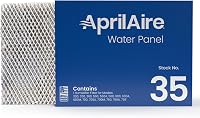
Whole-house humidifiers use model-specific water panels. The AprilAire 35 Water Panel fits AprilAire models 300, 350, 360, 560, 560A, 568, 600, 600A, 600M, 700, 700A, 700M, 760, 760A, and 768.
Check your humidifier's model number before choosing a panel. This one is for listed AprilAire models, not portable tabletop humidifiers.
The AprilAire 10 Water Panel fits AprilAire models 110, 220, 500, 500A, 500M, 550, 550A, and 558. It measures 9.5 inches wide, 9.75 inches high, and 1.75 inches deep, with a porous ceramic-type coating.
Don't choose between these panels by appearance alone. Match the replacement to the humidifier model and follow the installation instructions.
For model-specific steps, see how to clean an AIRCARE humidifier or the broader guide to how to clean a home humidifier.
What should you avoid when cleaning a moldy humidifier?
Don't mix cleaners, use an unapproved chemical, or run the humidifier before it is fully dry. The wrong cleaner can damage parts, leave residue, or create harmful fumes.
Avoid using a knife or metal tool to scrape growth from a tank. Scratches and gouges can make surfaces harder to clean next time.
Don't spray cleaner into a motor, fan, wiring, or control panel. Keep electrical parts dry, and contact the manufacturer if contamination has reached an area the manual doesn't explain how to clean.
If the mold returns soon after cleaning, stop using the humidifier and inspect the areas you can safely access. Persistent growth may point to a part that needs replacement or a section that requires service.
How can you tell whether the humidifier is clean enough to use?
Use it again only when accessible surfaces are clean, approved rinse steps are complete, and every part is dry. If you still see growth, smell a musty odor, or can't inspect a contaminated area, keep the unit off.
Reassemble the humidifier as directed and fill it with fresh water. Follow the maker's guidance on water type and when to empty the tank.
Clean the surrounding surface too if water has spilled or leaked. Dry it fully, and check for damp items nearby that may need attention.
Can a dehumidifier help prevent mold around a humidifier?
A dehumidifier may help manage excess moisture in a small enclosed space, but it doesn't clean a moldy humidifier. Remove the source of moisture and clean the affected area separately.
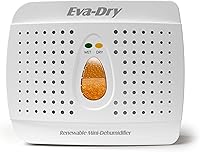
The Eva-Dry Wireless Mini Dehumidifier is cordless and designed for small spaces such as closets, cabinets, and cars. Its silica gel beads absorb moisture and need recharging after about 20 to 30 days.
This compact unit is intended for small spaces and isn't a replacement for cleaning a humidifier or addressing dampness across a room. For choosing a humidifier for general home use, start with humidifiers for home.
How can you reduce mold returning to the humidifier?
Empty standing water, let the unit dry between uses, and clean it on the schedule in its manual. Routine care helps limit residue and damp conditions inside the tank.
Use fresh water and replace filters or wicks as directed. Don't leave water sitting in the unit when you won't use it for an extended period.
Keep the humidifier and nearby surfaces dry. If room humidity is already high, a humidifier may add moisture the room doesn't need; read does a humidifier help with mold before using one to address a damp room.
A red, pink, or orange film can look different from typical dark mold, but color alone can't identify what it is. See how to clean red buildup in a humidifier for steps focused on that residue.
An air quality monitor can't confirm whether a visible patch is mold. Learn what these devices can measure in do air quality monitors detect mold, and choose a humidifier setting based on the room and the unit's instructions.
For comfort questions that are separate from cleaning, see warm versus cool mist for a dry nose or compare a quiet humidifier for a bedroom.
When should you stop using the humidifier?
Stop using it if mold remains in an inaccessible area, returns after cleaning, or has reached electrical or fan components. Ask the manufacturer whether the affected part can be replaced or the unit needs service.
If a removable part is moldy and the instructions call for replacement, don't use the humidifier with that part installed. A clean tank can't compensate for a contaminated wick, filter, or water panel.
If you can't tell whether the unit is safe to clean, follow the manufacturer's support guidance. Don't run it to see whether the smell or visible growth goes away.
What is the safest way to decide what to do next?
If mold is limited to accessible, washable surfaces, clean them with the approved method and dry everything fully. If a porous part is contaminated, replace it when its instructions require replacement.
Keep the humidifier off if growth reaches places you can't inspect or clean. Check the model instructions before buying a replacement part, since similar-looking panels and filters may fit different units.
After cleaning, reduce standing water and keep the device dry between uses. If dampness persists in the room, address that moisture source separately from the humidifier.
Frequently asked questions
Can I use vinegar to clean mold from a humidifier?
Use vinegar only if your humidifier's manual allows it and gives a safe method. Some parts can be damaged by acids or other cleaners, and mixing cleaning products can create harmful fumes.
Empty and rinse the unit as directed, then let all parts dry fully before reassembly.
Should I throw away a humidifier with mold?
Not always. If mold is limited to removable, washable surfaces and the manual allows cleaning, you may be able to clean and dry the unit.
Replace moldy porous filters or wicks when their instructions call for replacement, and stop using a unit if growth remains in areas you cannot reach.
Can a humidifier spread mold?
A dirty humidifier can disperse microorganisms or material from contaminated water into the air, depending on its design and condition. Clean it regularly, change water as directed, and avoid running it if you see mold or smell a musty odor until you have cleaned and dried it.
How often should I clean a humidifier?
Follow the cleaning schedule in your humidifier's manual, and empty and dry it whenever you stop using it for a while. More frequent care may be needed if you see film, smell an odor, or notice debris.
Use fresh water and don't let water sit in the tank.