How to Clean a Home Humidifier
Empty, unplug, and clean your home humidifier regularly by following its manual, rinsing the tank, and drying every accessible part before reuse. Use only approved cleaners and never mix cleaning chemicals.
On this page (9 sections)
- How do you clean a home humidifier?
- What should you check before cleaning?
- How do you remove scale from the tank?
- How should you clean a humidifier base and nozzle?
- What do you do with a filter or water panel?
- How can you prevent odor and buildup between cleanings?
- Can a humidifier make a room damp?
- What should you do if you won't use the humidifier for a while?
- How do you choose a cleaning routine for your humidifier?
Empty, unplug, and clean your home humidifier regularly by following its manual, rinsing the tank, and drying accessible parts before reuse. Use only approved cleaners, and never mix cleaning chemicals.
A simple routine helps remove standing water, mineral deposits, and film before they build up. The right method depends on whether you have a cool mist, warm mist, ultrasonic, or whole-house unit.
How do you clean a home humidifier?
Unplug the unit, empty the tank, and clean the parts the manual identifies as washable. Rinse away cleaner, dry accessible surfaces, and reassemble only when the parts are ready.
- Turn off and unplug the humidifier.
- Empty old water from the tank and base.
- Remove the parts the manual says you can take out.
- Clean the tank and accessible surfaces with an approved method.
- Rinse thoroughly if the cleaner requires rinsing.
- Let parts dry, then reassemble as directed.
Keep water away from the cord, plug, motor, and control panel. Don't immerse the base unless the manual explicitly allows it.
A humidifier with a narrow opening or separate filter may need a different approach. For a compact unit, see how to clean a small humidifier.
What should you check before cleaning?
Read the model's instructions before adding water or cleaner to any component. Manuals identify removable parts, safe cleaning agents, and whether filters or wicks should be washed or replaced.
Unplug the humidifier first and move it to a stable surface near a sink. Keep the power cord dry, and don't use a tool that could scratch the tank or damage a coating.
If your unit has a filter, wick, water panel, or cartridge, check its care directions separately. Some parts are consumables and should be replaced instead of scrubbed.
How do you remove scale from the tank?
Use only a scale-removal method approved for your model. Mineral deposits can cling to the tank or base, but an unsuitable acid, abrasive, or long soak can harm the unit.
Empty the tank and follow the manual's instructions for the cleaner, amount, and contact time. Afterward, rinse until the cleaning solution is gone, then let the tank air-dry.
Don't scrape stubborn deposits with a knife or metal tool. If the instructions permit a soft brush, use it gently and keep it away from delicate valves and seals.
Can you use vinegar to clean a humidifier?
Use vinegar only when the humidifier manual permits it. Some materials may not tolerate acidic cleaners, so don't assume a method that works for one model is safe for another.
Never mix vinegar with bleach, ammonia, or any other cleaning product. If the manual calls for a different cleaner, use that method instead.
How should you clean a humidifier base and nozzle?
Wipe or rinse only the base areas the manual identifies as safe to clean. Keep liquid out of electrical openings, and use a soft cloth for surfaces that can't be submerged.
Remove loose residue from the nozzle only if it detaches as the instructions describe. Avoid pushing a brush or cotton swab into openings where it could leave fibers or damage a sensor.
Dry the exterior before plugging the unit back in. If water has entered an electrical area, leave it unplugged and contact the manufacturer for guidance.
What do you do with a filter or water panel?
Follow the care instructions for the specific filter or panel. A washable filter can be cleaned only as directed, while a disposable one should be replaced at its stated interval.
Whole-house evaporative humidifiers use water panels rather than the same tank-and-base setup as many portable units. The AprilAire 35 Water Panel Humidifier Filter Replacement fits AprilAire models 300, 350, 360, 560, 560A, 568, 600, 600A, 600M, 700, 700A, 700M, 760, 760A, and 768.
The AprilAire 10 Water Panel fits a different model group: 110, 220, 500, 500A, 500M, 550, 550A, and 558. Check your humidifier's model number before choosing a panel.
Use the panel's illustrated installation instructions and the humidifier manual to guide replacement. To compare care approaches for a specific brand, read how to clean an AIRCARE humidifier, how to clean a Honeywell humidifier, or how to clean a Levoit humidifier.
How can you prevent odor and buildup between cleanings?
Empty leftover water and follow the manual's refill routine. Fresh water and a dry tank between uses help limit stale water and residue.
Don't leave a partly filled tank sitting for long periods. If you won't use the humidifier, empty it, clean it as directed, and dry accessible parts before storage.
Avoid adding oils, fragrance, disinfectant, or mold-prevention products unless the manual explicitly approves them. A product made for another appliance may damage the humidifier or leave residue in the water path.
If you see colored buildup, follow a model-approved cleaning method rather than guessing at its cause. The guide to red buildup in a humidifier covers what to consider, and how to clean a humidifier with mold explains steps for visible growth.
Can a humidifier make a room damp?
Yes, a humidifier can add too much moisture if it runs longer than needed or is set too high. Follow the unit's operating guidance and watch for condensation on windows or damp surfaces.
A humidity monitor can help you see how indoor conditions change. Stop or reduce humidifier use if moisture collects around the unit or room surfaces.
For choosing a model that suits your space and routine, see our guide to the best humidifier for home. You can also compare bedroom humidifiers that are easy to clean, filterless humidifiers that are easy to clean, or cool mist humidifiers that are easy to clean.
Does a humidifier help with mold?
A humidifier doesn't remove mold, and excess moisture can support damp conditions. Keep the room dry, clean visible buildup from the unit as directed, and address moisture problems at their source.
Read whether a humidifier helps with mold and whether humidifiers can cause mold for more on humidity and indoor dampness. If mold is a concern, don't add chemicals to the water tank unless the manual approves them; see what you can add to a humidifier to prevent mold.
What should you do if you won't use the humidifier for a while?
Empty, clean, and dry the unit before storing it. Remove any filter or panel only as directed, and keep the humidifier in a clean, dry place.
Before the next use, inspect the tank, base, and accessible parts for residue or damage. Clean again if needed, then refill with fresh water according to the manual.
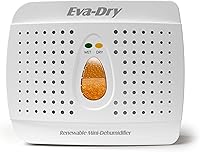
If room humidity remains high after you stop using the humidifier, a small moisture absorber may suit an enclosed space such as a closet. The Eva-Dry Wireless Mini Dehumidifier is cordless and uses silica gel beads that need recharging.
How do you choose a cleaning routine for your humidifier?
Use the manual as your guide for cleaner, frequency, filters, and drying. For routine care, empty old water, clean accessible parts as directed, rinse where needed, and dry before reuse.
Choose a brand-specific cleaning guide when your unit has unusual parts or a separate filter. If you're shopping for a replacement instead, compare models by how easily you can reach the tank and clean its components.
Keep the humidifier's tank and base clean, and respond to visible residue or odor before using it again. For questions about humidifier buildup and illness concerns, read whether humidifiers can make you sick, and check humidifiers that are easy to clean if simple maintenance is a priority.
Can a cleaning fish replace regular cleaning?
No, a cleaning fish doesn't replace emptying, rinsing, or cleaning the parts your manual identifies. Check whether the humidifier maker allows accessories in its tank before using one.
A tank accessory can't clean the base, nozzle, filter, or water path by itself. For more context, see humidifier cleaning fish options.
Frequently asked questions
How often should I clean a home humidifier?
Clean a portable humidifier on the schedule in its manual, and empty and refill it with fresh water as directed. Clean it more often if you see film, scale, or odor, and replace filters or panels at the maker's interval.
Can I use vinegar to clean a humidifier?
Use vinegar only if your humidifier's manual allows it, since some parts and coatings can be damaged by acids. Follow the stated amount and contact time, rinse well, and never combine vinegar with bleach or another cleaner.
Should I clean the humidifier filter?
Check the manual before cleaning a filter because some are washable and others need replacement. Don't scrub or soak a filter unless the instructions say to; clean the housing around it and install a replacement that matches the model.
What should I do if my humidifier has mold?
Stop using the humidifier, unplug it, and follow the manual's cleaning and disinfection directions. Replace parts that the manual says to discard, and don't run the unit if visible growth remains or you can't clean the affected area.