How to Clean a Honeywell Humidifier
To clean a Honeywell humidifier, unplug it, empty it, and follow the instructions for its exact model. Identify whether it uses a wick or ultrasonic mist before choosing a cleaning method.
On this page (8 sections)
- What should you check before cleaning a Honeywell humidifier?
- How do you clean the tank and base?
- How do wick and mist models differ?
- How should you dry and reassemble the humidifier?
- What should you do with a wick or filter that needs replacing?
- How can you keep the humidifier clean between deep cleans?
- What mistakes should you avoid when cleaning a Honeywell humidifier?
- How do you decide which cleaning approach to use?
To learn how to clean a Honeywell humidifier, first find its model number and identify whether it uses an evaporative wick or ultrasonic mist. Unplug and empty it, then clean the tank and base using the instructions for that exact model.
The distinction matters because a wick, filter, or mist-making surface may need different care. A method that works on one humidifier can damage another or leave cleaner where it could reach the air.
What should you check before cleaning a Honeywell humidifier?
Check the model number and identify the humidifier’s design before removing parts. The model-specific instructions tell you which pieces can be washed, how to remove mineral scale, and whether the wick or filter should be cleaned or replaced.
Look for the model number on the unit. If you cannot find the manual, search for the instructions by model number or contact Honeywell support; don’t borrow steps from a different model just because it looks similar.
Unplug the humidifier and let it cool if it uses warm water or heat. Empty the tank and base, and move the unit away from outlets before handling water.
Set aside any wick or filter. Don’t soak, scrub, or apply cleaner to it unless the instructions say that is safe, and keep the plug, cord, motor, and control area dry.
For broader cleaning steps that apply to home humidifiers, see how to clean a home humidifier. Use your model’s directions for any step where the guidance differs.
How do you clean the tank and base?
Wash only the removable parts your model’s instructions allow you to wash. Use the approved cleaner and dilution, rinse permitted parts as directed, and protect the electrical housing from water.
- Unplug the humidifier and empty the tank and base.
- Remove the cap, tray, and other washable pieces as directed.
- Clean the tank and base with the model-approved method.
- Rinse when the instructions call for rinsing, and continue until no cleaner remains.
- Let washed parts dry before putting the humidifier back together.
Don’t immerse the whole unit or pour water into openings that hold electrical parts. Avoid abrasive pads and tools that could scratch a surface or damage a coating.
How do you remove mineral scale?
Use the approved descaling method and give deposits time to loosen before wiping them away. Scale can build up where water sits or evaporates, including around the base and mist outlet.
Don’t scrape a transducer or other delicate surface with a hard tool. If deposits remain after the recommended method, check the manual or contact Honeywell support instead of switching to a stronger chemical.
Can you clean a Honeywell humidifier with vinegar?
Use vinegar only if your model’s instructions allow it. Follow the stated dilution, contact time, and rinsing steps because cleaning guidance varies between models.
Never combine vinegar with bleach, ammonia, or another cleaner. Mixing cleaning products can create harmful fumes, and cleaner residue may damage parts or enter the air.
How do wick and mist models differ?
Evaporative models move air through a wick, while ultrasonic models create mist from water. That difference affects filter care and which internal parts need protection during cleaning.
How do you clean an evaporative wick model?
Clean the tank and base as directed, then follow the separate instructions for the wick. Some wicks are replaceable and should not be scrubbed or treated with cleaner; care depends on the model.
If the manual calls for a replacement, match the specified filter type and model. Don’t choose a filter by dimensions alone: a whole-house water panel is not automatically compatible with a portable Honeywell humidifier.
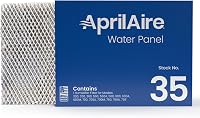
The AprilAire 35 Water Panel fits specified AprilAire whole-house humidifier models. It suits someone maintaining one of those systems, but it is not a Honeywell replacement.
How do you clean an ultrasonic mist model?
Clean its tank and water-contact surfaces with the approved process, and protect delicate mist-making parts from scratches. Don’t run a cleaner through the humidifier unless its instructions explicitly say to.
Rinse washable parts well and let them dry before reassembly. Keep the mist outlet clear, and don’t use a pin or metal tool to remove deposits from delicate surfaces.
How should you dry and reassemble the humidifier?
Let washed parts dry fully, then reassemble the unit as the manual shows. Check that the wick or filter sits correctly and that the tank has no cleaner residue.
Fill the tank only as directed and set it on a level surface. Stop using the unit if it leaks, has a damaged cord, or makes an unusual sound, then consult the manual for next steps.
A humidifier adds moisture to a room, so watch for damp surfaces or condensation. Reduce use if those appear, and read whether humidifiers can cause mold for more guidance on room moisture.
What should you do with a wick or filter that needs replacing?
Replace a wick or filter with the model-compatible part named in the manual. Brand and size alone don’t establish that a part fits your Honeywell humidifier.
The AprilAire 10 Water Panel is made for specified AprilAire whole-house humidifier models. It is for owners of those systems, and it is not a general replacement for portable Honeywell filters.
For a portable humidifier, match the exact Honeywell model number and filter type. The same model-first approach applies to other brands, as explained in how to clean a Levoit humidifier.
How can you keep the humidifier clean between deep cleans?
Empty standing water when the humidifier will sit unused, and let the tank and base dry before storage. Follow the model’s routine cleaning schedule, since care can vary with the humidifier and how often you use it.
Use fresh water as directed and check regularly for visible scale or film. If the room feels damp or develops condensation, reduce humidifier use and address the moisture source.
A cleaning fish may be an accessory, but it does not replace washing the tank and base. Read best humidifier cleaning fish if you’re considering one, and confirm that the accessory suits your humidifier.
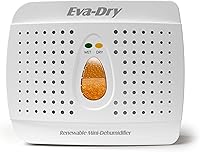
If you need a moisture absorber for a small enclosed space, the Eva-Dry Wireless Mini Dehumidifier is cordless and uses silica gel. It can be hung or placed in spaces such as closets and cabinets; skip it if you need humidity control for a whole room.
For a room-sized humidifier, start with our best humidifier for home guide. If you’re deciding between adding moisture and cleaning air, see humidifier vs air purifier.
What mistakes should you avoid when cleaning a Honeywell humidifier?
The main mistakes are using the wrong model’s instructions, wetting electrical parts, and treating every wick or mist surface the same way. A careful model check helps prevent all three.
Don’t run cleaner through the unit unless its manual directs you to do so. Don’t mix cleaners, scrape delicate surfaces, or put a filter back before it is ready for reuse.
Don’t assume that an accessory or replacement part fits because it has a similar shape. Match the humidifier’s model number and the part number or type recommended in its instructions.
How do you decide which cleaning approach to use?
Choose cleaning steps by model, then by design: use wick instructions for an evaporative unit and mist-surface instructions for an ultrasonic one. The manual decides which cleaner, rinse, and replacement steps apply.
If you don’t know the model, find its number before cleaning. If you know it uses a wick, check whether the wick is washable or replaceable; if it makes ultrasonic mist, focus on the approved care for the tank and mist-making parts.
For how to clean a Honeywell humidifier, the reliable sequence is simple: identify the model, unplug and empty it, clean only approved parts, protect electrical components, and dry the unit before reassembly. For questions about breathing symptoms or asthma, ask a health professional; a humidifier is not a treatment.
You can also read whether humidifiers help with asthma and compare cool mist humidifiers with vaporizers.
FAQ included above.
Frequently asked questions
How often should I clean a Honeywell humidifier?
Clean the tank and base on the schedule in your model’s manual, and empty and dry the unit when it will sit unused. Clean sooner if you see scale, film, or odor.
Filter and wick replacement timing depends on the model and water conditions, so use its instructions.
Can I use vinegar to clean a Honeywell humidifier?
Use vinegar only if your Honeywell model’s manual allows it, and follow the stated dilution and rinse steps. Some parts may need a different method, and cleaner residue can enter the air or affect materials.
Never mix vinegar with bleach or another cleaning product.
Should I wash the wick in a Honeywell humidifier?
Check the manual before washing a wick. Some evaporative humidifiers use a replaceable wick that should not be scrubbed or treated with cleaners, while washable components vary by model.
Replace the wick when its instructions say to or when buildup and condition call for replacement.
How do I clean a Honeywell cool mist humidifier?
First identify whether your cool mist model uses an evaporative wick or ultrasonic mist. Unplug and empty it, then clean the tank and base using the model’s instructions.
Keep electrical parts dry, rinse any permitted cleaner fully, and let removable parts dry before reassembly.