Humidifier vs Dehumidifier: Which Does Your Home Need? (November 2026)
Choose a humidifier when indoor air is too dry and a dehumidifier when it is too damp. Measure the room’s relative humidity first, then add or remove moisture only if the reading and conditions call for it.
On this page (9 sections)
- Humidifier vs dehumidifier: what does each one do?
- How do you know whether your home needs one?
- When should you choose a humidifier?
- When should you choose a dehumidifier?
- Can you use a humidifier and dehumidifier in one home?
- What should you compare before buying?
- How can you avoid choosing the wrong device?
- Should you choose a humidifier or dehumidifier?
- Sources
A humidifier adds moisture to dry indoor air; a dehumidifier removes moisture from damp air. For a humidifier vs dehumidifier decision, measure relative humidity in the room first and choose the device that moves it in the needed direction.
If readings are already comfortable and there are no signs of excess dampness, you may need neither. The goal is to correct a measured condition, not to run an appliance by habit.
A humidifier and dehumidifier do opposite jobs. This guide explains how to identify the room’s need, choose a suitable device and avoid using the wrong type.
Humidifier vs dehumidifier: what does each one do?
A humidifier releases water vapor or mist into the air, while a dehumidifier collects moisture from the air. Their purposes are different, so the right choice depends on whether your measured indoor air is too dry or too damp.
Low indoor humidity can make a room feel dry. A humidifier adds moisture, with cool mist and warm mist models offering different ways to do that.
Compare the options in our guide to cool vs warm mist humidifiers.
High indoor humidity can leave a room feeling damp. A dehumidifier draws moisture from the air and stores it or directs it away, depending on its design.
Neither appliance is a substitute for fixing a source of water. A leak, poor drainage or water intrusion needs attention at its source before a room appliance can address the remaining humidity.
How do you know whether your home needs one?
Use a humidity meter to check the room before choosing a humidifier or dehumidifier. A reading gives you a more useful starting point than guessing from how the air feels.
Measure the room you want to manage, not just a hallway or another floor. Keep the meter away from direct sunlight, vents and showers, and follow its setup directions.
Take readings at different times if the number changes. Cooking, bathing, laundry, ventilation and outdoor weather can all affect indoor conditions.
A weather station that tracks indoor conditions can help you notice changes over time. Our guide explains what a home weather station can tell you about the weather, while you should check the station’s own specifications for indoor humidity measurement.
If the reading suggests a problem, look for its likely source. Dry air may reflect seasonal indoor conditions, while dampness can come from moisture-producing activities, poor ventilation or a leak.
What humidity reading should guide the choice?
Follow the humidity target recommended by your health or building authority and the appliance manual. The useful range can depend on the room, season, climate and any condensation or mold concerns.
Rather than aiming for one number in every situation, use the meter to see whether the room stays above or below the range recommended for your home. Recheck after changing ventilation or running an appliance.
If windows or cold surfaces collect condensation, that is a reason to investigate moisture and temperature conditions. It does not by itself tell you the cause or prove that a dehumidifier is the only fix.
When should you choose a humidifier?
Choose a humidifier when a room’s measured humidity is below the recommended range and you want to add moisture. Pick a model that suits the room size, your cleaning routine and the type of mist you prefer.
A humidifier can be a practical option when dry indoor air is persistent, but routine care matters. Follow its instructions for filling, cleaning and placement, and watch the meter so you know whether humidity changes.
Our humidifiers for home buying guide covers the features to compare before choosing a unit. If you already have a Honeywell model in mind, see our guide to the best Honeywell humidifiers for home.
Filter needs vary by model. If you own a Honeywell unit, check the manual for the correct part and use our guide to Honeywell humidifier replacement filters as a starting point.
A humidifier should not run without a clear reason or beyond the target in its instructions. Read how to properly use a humidifier for placement, cleaning and day-to-day use.
Which humidifier type fits your room?
Choose a humidifier based on room size, cleaning needs and whether cool or warm mist suits your household. The right format is the one you can operate and maintain as directed.
For a small bedroom, consider a model sized for the room and leave space around it as the manual requires. Our guide to a cool mist humidifier for a small bedroom covers that use case.
For any model, keep the device on a stable surface and away from electronics or materials that could be damaged by moisture. Follow the manufacturer’s directions for cleaning and placement.
When should you choose a dehumidifier?
Choose a dehumidifier when measured humidity is too high or a room remains damp after you address moisture sources. Match its capacity and coverage to the space instead of assuming a small unit can manage a whole home.
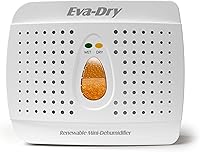
A small rechargeable absorber can fit a closet or cabinet where moisture is localized. The Eva-Dry Wireless Mini Dehumidifier is designed for small spaces and has a stated working volume of up to 333 cubic feet.
For larger areas, consider an electric unit with suitable capacity and a plan for handling collected water. The AEOCKY 5500 Sq.Ft Energy Star Most Efficient is a compressor dehumidifier rated for up to 5,500 square feet, with a drain hose included.

 Best for damp large areas
AEOCKY 5500 Sq.Ft Energy Star Most Efficient
The two options serve different scales. The Eva-Dry is cordless and rechargeable for enclosed spaces, while the AEOCKY is a compressor appliance for larger household areas.
A dehumidifier may run more often during humid weather or when a room has ongoing moisture sources. Check the room meter and empty or drain the unit as its instructions require.
What if one room is damp but the rest of the home is not?
Treat the room with the measured problem and investigate why it stays damp. A small enclosed area may need a compact absorber, while a large room may call for an electric unit.
Check for plumbing drips, water intrusion, blocked exhaust fans and laundry drying indoors. Fixing the source can reduce the need for continuous moisture removal.
A compact absorber can suit a closet, cabinet or other contained space. For a larger room, use a unit with coverage and capacity appropriate to the room, then track its effect with a humidity meter.
Can you use a humidifier and dehumidifier in one home?
Yes, you can use both in separate rooms if each room has a measured need. Running them in the same room at once can waste energy because one adds the moisture the other removes.
For example, a dry bedroom and a damp basement may need different approaches. Place each device where it can work safely, then recheck the readings after a few hours or days.
Avoid placing a humidifier near the meter used to judge room humidity. The local mist can distort the reading, making the rest of the room seem more humid than it is.
If conditions change with weather, adjust use as needed. A room that needs moisture removal during a wet period may not need the same treatment later.
What should you compare before buying?
Compare room size, operating needs, water handling and maintenance before selecting either appliance. A feature only helps if it fits the room and you can follow its care instructions.
For a humidifier, check the stated room coverage, tank size, mist type, filter needs and cleaning steps. Make sure you can reach it safely to refill and maintain it.
For a dehumidifier, compare coverage, moisture removal capacity, tank or drain options and operating modes. A larger unit may suit a bigger area, but it also needs floor space and a practical way to manage water.
Measure the space and check outlet placement before you buy. Read the manual for clearances, temperature limits and any limits on continuous operation.
How can you avoid choosing the wrong device?
Confirm the room’s humidity and the device’s job before buying. A humidifier cannot remove excess moisture, and a dehumidifier cannot correct air that is too dry.
Start with these checks:
- Measure relative humidity in the room you want to address.
- Look for water leaks, condensation or ventilation issues.
- Choose an appliance sized for that room and its conditions.
- Read the manual for placement, cleaning and operating limits.
- Check the meter again after using the appliance.
If the reading does not improve, reassess the moisture source and the device’s fit for the space. Persistent dampness may need repairs or better ventilation, rather than a stronger appliance alone.
Should you choose a humidifier or dehumidifier?
Choose a humidifier if indoor humidity is too low, and choose a dehumidifier if it is too high. Measure first, follow the device instructions and treat leaks or water intrusion at their source.
For a closet or cabinet with localized dampness, the Eva-Dry is the smaller option. For a large area that needs moisture removal, the AEOCKY has a much larger stated coverage area.
If the room reading falls within the range recommended for your home, keep monitoring it instead of adding or removing moisture without a reason. For a humidifier decision, start with our guide to choosing a home humidifier.
Sources
- U.S. Environmental Protection Agency: A Brief Guide to Mold, Moisture and Your Home
- U.S. Department of Energy: Dehumidifiers
Frequently asked questions
Should I use a humidifier or dehumidifier?
Use a humidifier when measured indoor air is too dry, and a dehumidifier when it is too damp. Check relative humidity in the room you want to manage, consider moisture sources such as cooking or bathing, and follow the device instructions for the target range.
Can a humidifier and dehumidifier run in the same house?
Yes, they can serve different rooms or conditions, but running both in the same space at the same time usually works against itself. Measure each room, place the suitable device where its effect is needed, and check readings again after changing how you use it.
Where should I place a humidity meter?
Place the meter in the room where you spend time, away from windows, vents, direct sun and moisture sources such as a shower. Let it settle according to its instructions and compare readings at different times, since humidity can shift with weather and household activity.
Does a dehumidifier remove all dampness?
A dehumidifier removes moisture from air, but it may not solve a leak, poor drainage or water entering through a wall. Fix the source of persistent water first, then use a dehumidifier if room readings remain high and follow the unit’s operating instructions.
Can a small dehumidifier dry a whole room?
A small moisture absorber is meant for a limited enclosed space, not general room humidity control. The Eva-Dry E-333 is rated for areas up to 333 cubic feet, so choose a room-sized unit if the whole room needs moisture removal.