How to Choose a Recording and Non Recording Rain Gauge
Choose a non recording rain gauge for simple manual readings, or a recording rain gauge when you want rainfall logged automatically. Your schedule, need for rainfall history and willingness to check and empty a collector determine which type fits.
On this page (7 sections)
A non recording rain gauge collects water for you to read, while a recording rain gauge measures rainfall and stores or transmits readings automatically. Choose manual collection if you can check the gauge on a regular schedule; choose automatic recording if you want rainfall history without visiting it after every shower.
The key difference is how you get the measurement, not whether the gauge can measure rainfall. Both types need thoughtful placement and maintenance to produce useful readings.
For a quick overview of the basic tool, start with What Is a Rain Gauge? What You Should Know.
This guide compares manual and automatic approaches so you can match one to your routine.
What does a non recording rain gauge do?
A non recording rain gauge collects rain in a marked container for you to read manually. You check the water level, note the amount, and empty the gauge if its design calls for it.
This simple process gives you a direct measurement without a display, wireless signal or electronic record. It works best when you can visit the gauge at a consistent time, such as each morning after overnight rain.
Manual collection can also suit a garden where the main question is whether rain has reached a useful amount. You can pair a gauge reading with your watering routine, while keeping in mind that rainfall at the gauge may differ from what reaches a sheltered bed or a spot under trees.
A removable tube makes emptying and checking easier on some models. If you need a replacement, see how to choose a 5 inch rain gauge replacement tube.
How does a recording type rain gauge work?
A recording type rain gauge measures rainfall electronically and sends readings to a display or recording system. Depending on the setup, it may keep a running total or show rainfall over selected time periods.
A common design uses a collector that tips as it fills. Each tip corresponds to a measured amount, which the system can count and report.
Learn more about how a tipping bucket rain gauge works.
Some automatic gauges use a self-emptying collector, so water drains after it has been measured. That design can make ongoing tracking practical, but it still needs suitable placement and periodic checks for debris or other issues.
See what a self emptying rain gauge does.
Automatic readings can save time and help you compare rainfall over days or weeks. The system needs power and a compatible display or receiver, so check how its components work together before choosing.
Which type fits your routine?
A manual gauge suits regular observation and simple rainfall checks. A recording gauge suits ongoing tracking, remote readings or rainfall history.
| Your need | Type to consider | Why |
|---|---|---|
| Check rainfall once a day | Non recording | You can read and note the collected amount yourself |
| Track rainfall when you're away | Recording | A connected system can transmit readings to a display |
| Keep a written garden log | Either | A manual gauge needs a separate record; some stations show rainfall history |
| Avoid routine trips to the gauge | Recording | Automatic readings reduce the need to visit after each shower |
| Keep the setup simple | Non recording | No electronic display or sensor connection is needed |
| Compare totals across several periods | Recording | A system with rainfall history can make those comparisons easier |
Your schedule matters as much as the gauge type. A recording system will not help much if you don't check its history, and a manual gauge is less useful if you often miss the time when it should be read.
What can affect a rainfall reading?
Placement, maintenance and reading habits affect both manual and recording gauges. Put the collector where nearby objects don't block rainfall or add water from roofs, branches and other surfaces.
A roof edge can funnel extra water into a gauge and inflate the reading. Trees, walls and fences can also change how much rain reaches the collector, especially when wind blows at an angle.
Keep the gauge upright and follow its instructions for height and placement. Check that the opening is clear, since leaves and dirt can interfere with collection or measurement.
For manual readings, use the marked scale at eye level and record measurements consistently. If you want a paper log, use a rain gauge record sheet to keep dates and readings together.
Automatic systems also need occasional attention. Check the collector, power source and sensor connection according to the manufacturer's guidance, and compare the displayed reading with a manual check if it seems unexpectedly high or low.
If you use an Ambient Weather station and notice low totals, our guide to ambient weather WS-2902 under reporting rain covers possible causes.
What should you check before choosing?
Choose based on the records you need, the time you can give the gauge and the system you already own. A few practical checks can prevent mismatches.
- Reading schedule: Can you visit and read the gauge after rainfall, or do you need remote readings?
- Record keeping: Do you want to write readings down, or have a station keep rainfall history?
- Display compatibility: If you choose a sensor, confirm that it works with the display or station you plan to use.
- Power and upkeep: Check the battery or power needs and the maintenance instructions.
- Collector design: Find out whether it drains automatically or needs manual emptying.
- Placement: Make sure you have an open, stable location away from roof runoff and obstacles.
- Measurement needs: For formal observations, follow the guidance of the organization whose records you plan to submit.
A weather service rain gauge may be used as part of a consistent observation routine. If you need a gauge for formal weather observations, read how to choose a rain gauge for weather observations and follow the relevant program's placement and reporting rules.
A weighing design is another option for measuring rainfall. If that approach fits your needs, see how to choose a weighing bucket rain gauge.
Which products fit manual and automatic rainfall tracking?
For manual rainfall tracking, choose a gauge you can read yourself; for automatic monitoring, consider a sensor and compatible display or a complete weather station. These 3 options cover both approaches.
The AcuRite Iris sensor transmits data wirelessly and measures rainfall alongside wind, temperature and humidity. It requires 4 AA batteries, and a compatible AcuRite 5-in-1 display is sold separately.
The JMBay Rain Gauge Outdoor suits readers who want to read collected water themselves. Its tube is removable for checking and emptying, and its 3-section stake can be set to a maximum height of 29 in.
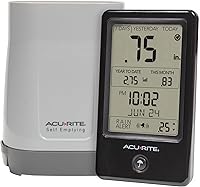
The AcuRite Iris Weather Station with Rain Gauge combines its sensor and display, with rainfall readings and history alongside wind, temperature, humidity and barometric pressure. Its display offers customizable rainfall alerts.
Which rain gauge should you choose?
Choose a non recording rain gauge if you can check the collector and want a straightforward manual reading. Choose a recording rain gauge if you want rainfall transmitted or saved automatically, and you're prepared to maintain the sensor and display.
For a garden watering routine, a manual gauge and consistent notes may be enough. For rainfall history at home or readings while you're away, consider a compatible automatic station and confirm that its display captures the periods you want to review.
Frequently asked questions
What is the difference between a recording and non recording rain gauge?
A non recording rain gauge collects rain for you to read manually, while a recording rain gauge measures rainfall and saves or transmits readings automatically. Manual gauges suit people who can check them regularly; recording systems help when you want a history or can't visit the gauge after each storm.
Is a manual rain gauge accurate?
A manual rain gauge can provide useful readings when it is placed in an open, level spot and read at a consistent time. Wind, nearby obstacles, evaporation, overflow and reading errors can affect results, so follow the gauge instructions and record each measurement the same way.
Do recording rain gauges need to be emptied?
Many recording gauges use a self-emptying collector, but the design varies. Check the maker's instructions for cleaning, leveling, battery or power needs, and how to keep the collector clear so readings continue to register.
Can a weather station save rainfall history?
Some weather stations display rainfall history along with current conditions. Check which intervals the display supports and whether the sensor and display are compatible, since automatic readings are useful only if the system captures the periods you want to compare.
Which rain gauge is better for a garden?
A manual gauge can work well for a garden if you can check it after rainfall and use the reading to adjust watering. Choose a recording gauge if you want rainfall history without visiting the gauge each time, then place it in an open area away from roof runoff and obstructions.