Where to Place a Humidifier in Your Home
Place a humidifier on a stable, level, water-resistant surface with open space around it. For where to place a humidifier, aim mist into the room and away from walls, furniture, electronics, and bedding.
On this page (11 sections)
- Where should you place a humidifier in a room?
- How do you choose where to place a humidifier?
- Should a humidifier go on the floor or a raised surface?
- Where should you put a humidifier in a bedroom?
- Where should a humidifier go in a nursery or child's room?
- How far should a humidifier be from walls and furniture?
- Can you put a humidifier near a heater or air conditioner?
- How can you protect floors and furniture from humidifier moisture?
- How should you set up a humidifier in a large room?
- What should you check after turning on a humidifier?
- Where to place a humidifier in your home: which spot should you choose?
Place a humidifier on a stable, level, water-resistant surface with open space around it. Point mist into the room and away from walls, wood furniture, electronics, bedding, and anything that could become damp.
Choose a spot that is easy to reach for refills and cleaning. Keep it far enough from people and belongings that mist does not land directly on them.
After the unit runs, check the floor, nearby surfaces, and the area under the unit for moisture. Give the first run a close look, since a new setup can show problems you did not expect.
If dampness appears, move the humidifier a little at a time or lower its output, then check again. Small changes often solve the problem without moving it across the room.
Where should you place a humidifier in a room?
Choose an open spot where air can move around the humidifier and mist can disperse. A central location can work when practical, but the outlet should not sit beneath a shelf, inside a tight corner, or directly beside curtains.
Set the unit on a level surface that can support it when full. Follow the manual for clearance and surface requirements, since the needed space varies by model.
Check the area while the humidifier runs. If mist collects on a wall or nearby object, move the unit or redirect its outlet.
How do you choose where to place a humidifier?
Start with the room, the unit, and the surfaces nearby. Pick a position that suits the room's size and layout, keeps the mist away from people and belongings, and makes refilling and cleaning convenient.
For a bedroom, prioritize quiet operation and an outlet you can direct away from the bed. In a nursery or child's room, put the humidifier beyond a child's reach, with its cord secured and the mist away from the crib.
For a large room, choose an open location and check whether mist reaches the areas you use. Match the humidifier to the room size in its instructions; a unit hidden behind furniture may not spread moisture well.
Should a humidifier go on the floor or a raised surface?
A stable raised surface can keep mist away from flooring and make controls easier to reach. Use a table, shelf, or stand only if it is level, strong enough for a filled unit, and permitted by the manual.
Avoid wobbly stools, narrow ledges, and furniture edges where the unit could tip. Keep cords away from walkways and places where someone might pull them.
A floor location may suit some models if the floor is level and water-resistant. Check for dampness around the base, especially on carpet or near wood trim.
Where should you put a humidifier in a bedroom?
Set a bedroom humidifier far enough from the bed that mist won't blow onto your face, sheets, or mattress. A dresser or nightstand may work if it is stable, protected from moisture, and leaves open space around the outlet.
Don't point mist toward a wall, curtains, or a bedside lamp. If you wake to damp bedding or find moisture on the nightstand, move the unit farther away or lower its output.
The Levoit Humidifiers for Bedroom has a 360° nozzle to direct mist. Its 3-liter tank and top-fill design suit people who want a bedroom unit that is easier to refill.
For a broader comparison of room size, features, and styles, see our humidifiers for home buying guide. If you're choosing between warm and cool mist, read our cool vs warm mist comparison.
Where should a humidifier go in a nursery or child's room?
Place it on a stable surface out of a child's reach, with the cord secured and mist directed away from the crib, toys, and walls. Keep it somewhere an adult can refill and clean it, and follow the unit's manual.
Never set a humidifier on a crib rail, dresser edge, or surface a child might pull. Keep warm-mist models especially well out of reach because hot water or steam can cause burns.
Check for dampness around the unit. It should not leave a wet patch on the floor or a clammy surface near the crib.
How far should a humidifier be from walls and furniture?
Leave enough space between the outlet and nearby surfaces to keep them dry. Follow the manual's distance guidance, then check the area while the humidifier runs.
Distance controls where fine mist lands before it mixes into room air.
Mist can settle on painted walls, wood finishes, books, televisions, and other electronics. Painted walls can show marks over time, and wood finishes can dull where mist keeps landing.
Books and paper goods can warp or feel damp.
Avoid pointing the outlet at these items or placing the unit under a shelf or cabinet. A shelf can trap mist and send it back down onto the surface below.
Keep the outlet in open air where mist can spread out.
Each model sends mist out in its own way, so the manual matters more than a general rule. Read the guidance for your model and follow it for placement, surface type, and clearance.
If condensation appears, turn down the output or move the humidifier to a more open spot. Wipe moisture promptly and keep the unit away from outlets and electrical devices.
Check again after the change, because a lower setting may still leave dampness if the unit sits too close to a wall.
Think about what is behind and beside the outlet, not only what is in front of it. Mist can drift with room air and settle on a surface you did not aim at directly.
A wider gap gives mist more room to disperse before it reaches anything that needs to stay dry.
Furniture close to the unit needs the same care as a wall. Upholstery, cushions, and curtains can hold moisture quietly, so keep the humidifier clear of those materials and check them during the first few runs.
Open placement also makes daily care easier. You can see spills, check the base for standing water, and wipe the area without moving furniture.
That habit helps you catch dampness early.
Can you put a humidifier near a heater or air conditioner?
Keep a humidifier away from direct heat and strong airflow so the mist can spread through the room. Avoid placing it beside a radiator, heating vent, or air-conditioning outlet unless the manual permits it.
Air blowing across the mist may carry it toward a wall or furniture. Find a position where the mist can disperse without being pushed onto surfaces.
Added moisture can affect how a room feels, but a humidifier doesn't lower the air temperature like an air conditioner. Read whether a humidifier can cool a room for more on the difference.
How can you protect floors and furniture from humidifier moisture?
Use a water-resistant, level surface and check nearby areas for droplets or spills. A tray can add protection if it is stable and wide enough, but it must not block vents or conflict with the manual.
Keep the unit away from books, fabrics, wood, and electronics. Don't let mist settle on a window or wall, and wipe away condensation promptly.
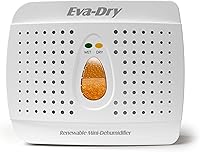
If a room already feels damp, adding moisture may be the wrong choice. The Eva-Dry Wireless Mini Dehumidifier is a cordless moisture absorber designed for small enclosed spaces such as closets and cabinets.
A humidifier adds moisture, while a dehumidifier removes it. Learn whether a whole-house humidifier can cause mold before adding humidity to an area that already has a moisture problem.
How should you set up a humidifier in a large room?
Place it in an open area where mist can spread, then check the parts of the room you use. Match the unit to the room size in its instructions, and avoid tucking it behind furniture.
A large room may have doors, furniture, or airflow that divide the space. If mist doesn't reach the areas that need it, try a more open position before deciding the unit is too small.
Compare options in our guide to the best humidifier for a large room. If mineral residue appears on surfaces, learn what a demineralization cartridge does.
What should you check after turning on a humidifier?
Check the floor, walls, furniture, and bedding for moisture after the humidifier has run. If anything feels damp, redirect the mist, reduce the output, or move the unit.
Keep the area around the humidifier clear, and refill and clean it according to the manual. Don't let water collect under the unit or near a power cord.
For a cool-mist unit, point the outlet away from people and objects. Our guide to the best cool mist humidifiers compares options, and the best Honeywell humidifiers for home guide covers that brand.
Where to place a humidifier in your home: which spot should you choose?
Choose an open, stable, water-resistant surface where mist can spread without dampening nearby belongings. Keep it away from beds, walls, electronics, direct heat, and strong airflow, and follow the manual's placement instructions.
For a bedroom or nursery, keep mist away from sleeping areas and put the unit beyond a child's reach. For a large room, choose an open position and check whether moisture reaches the spaces you use.
If the area around the unit becomes damp, redirect the mist, lower the output, or move the humidifier. Recheck nearby surfaces after the change.
Frequently asked questions
Where is the best place to put a humidifier?
Put it on a stable, level surface with open space around the mist outlet, away from walls, electronics, furniture, and bedding. Keep it where you can refill and clean it easily, and follow the distance and surface instructions in its manual.
Check nearby surfaces for moisture after you start it.
Should a humidifier be on the floor or a table?
A raised, stable, water-resistant surface can help keep mist away from flooring and make the unit easier to reach, as long as the humidifier manual allows it. Choose a table or stand that can support the filled unit, and keep it away from edges where it could tip.
Can I put a humidifier next to my bed?
You can place one in a bedroom, but leave enough space that mist does not blow onto your face, bedding, or nearby furniture. Set it on a stable surface and check for dampness around the unit.
A few feet away may work better than right beside the bed.
Can a humidifier sit on wood furniture?
Only use wood furniture if the surface is protected from moisture and the humidifier manual permits that placement. Mist and spills can damage wood finishes, so a water-resistant tray or stand may help, but it must remain stable and keep the unit level.
Wipe up any condensation promptly.