What Batteries Should You Use in an AcuRite Weather Station?
Use the battery size and chemistry specified in your exact AcuRite model’s manual. Displays and outdoor sensors can have different requirements, so check each compartment before buying replacements.
On this page (7 sections)
- What batteries should you use in an AcuRite weather station?
- How do you check the size and chemistry?
- Does the display use the same batteries as the outdoor sensor?
- Should you choose alkaline or rechargeable batteries?
- How can you tell when the batteries need replacing?
- What should you check before replacing batteries?
- Which batteries should you buy for an AcuRite weather station?
Use the battery size and chemistry specified in your exact AcuRite model’s manual. The display and outdoor sensor may need different batteries, so check both compartments before buying.
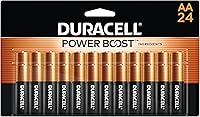
AcuRite models vary. The AcuRite Iris 01512 calls for 10 AA batteries, but that does not mean every AcuRite station uses the same number or size. {{product B0035LCFNQ | A 24-count pack of AA alkaline batteries for a model whose manual specifies AA cells.}}
What batteries should you use in an AcuRite weather station?
Use the battery type printed in the manual or inside the compartment for each unit in your station. Check the display and outdoor sensor individually, since they may have different requirements.
A label that says AA or AAA tells you the cell size, but the manual can also specify battery chemistry or temperature guidance. Match both when choosing replacement batteries.
Battery type matters beyond fit. Outdoor sensors experience changing temperatures, while a display usually stays indoors.
If your manual gives separate guidance for those conditions, follow it.
For a broader overview of powered displays and sensors, see How Do Weather Stations Get Power? The Simple Answer.
You can also compare solar powered weather stations and check which components their panels power.
How do you check the size and chemistry?
Check the model number, manual and battery compartment before shopping. The exact model number is the key when several stations share a similar name.
- Find the model number on the display, sensor or original paperwork.
- Look up that model’s instructions and note the required size and chemistry for each unit.
- Open each battery compartment and check the molded labels and polarity marks.
- Replace cells with the specified type, keeping the positive and negative ends aligned.
Don't rely on a station’s general product family name alone. A display, sensor and replacement part may have different power requirements.
The Amazon Basics AAA batteries are single-use alkaline cells. They are not rechargeable, so don't choose them if your station instructions require rechargeable batteries.
Does the display use the same batteries as the outdoor sensor?
The display and sensor may use different battery sizes or quantities, so check each one instead of buying a single type based on the display. The manual is the best way to confirm what belongs in each compartment.
Some models may also use an adapter or another power source for a display. For help checking a compatible AcuRite power adapter, match the requirements to your exact console.
Don't assume that an adapter removes every battery requirement; confirm whether batteries are needed for backup or regular operation.
The AcuRite Iris 01512’s stated requirement is 10 AA batteries. Follow its instructions to confirm which unit those batteries serve and how to install them. {{product B00N1XCA9M | The AcuRite Iris 01512 is specified to use 10 AA batteries.}}
The display is the indoor console that presents weather readings. For Davis Vantage Vue console details, see the Davis Vantage Vue console guide.
Learn what a weather station console does if you want to understand how it works with a remote sensor.
Should you choose alkaline or rechargeable batteries?
Choose the chemistry recommended for your model, and use rechargeable cells only if the instructions allow them. A battery that fits physically may still be the wrong choice for the station.
The two battery packs above are alkaline and single-use. They are options only for a compartment whose instructions specify compatible alkaline cells.
Outdoor conditions can affect battery performance. Check the manual for any temperature limits or recommendations for the sensor’s location, particularly if it will be exposed to cold weather.
If you’re comparing options for a sensor that stays outdoors, read our best batteries for outdoor weather stations guide. It covers practical battery choices for that use.
How can you tell when the batteries need replacing?
A low battery icon or a sensor that stops reporting can indicate a battery problem, but it doesn't identify the cause by itself. Check the batteries and connections before assuming the sensor has failed.
Make sure the cells are fresh, the size and chemistry match the manual, and the polarity is correct. If the sensor still does not report, check the station’s pairing and troubleshooting instructions.
See What Does a Low Battery Icon Mean on a Weather Station? for more signs to check. When you’re ready to change the cells, follow our AcuRite weather station battery replacement steps.
What should you check before replacing batteries?
Confirm the required cells and note how they sit before removing the old ones. Using the correct battery type and polarity can help you avoid an installation problem.
Keep the station’s model instructions nearby. If you move a sensor while changing its batteries, return it to its intended position and follow the manual’s setup steps.
Battery power supports the station’s readings, but it does not make a forecast certain. Read [Can a Home Weather Station Predict Weather?
A Plain Guide](/can-a-home-weather-station-predict-weather/) to learn what local readings can and cannot tell you.
If you’re installing a sensor in a new spot, review the best weather station mounting poles and kits guide. A suitable mount can help you place it securely.
For a station that sends readings over Wi-Fi, see best Wi-Fi weather stations and compare the features that fit your setup.
Which batteries should you buy for an AcuRite weather station?
Buy the size and chemistry named in your model’s instructions, then select a pack that fits the number of cells you need. Check the display and sensor separately, and use AA or AAA packs only when the corresponding compartment calls for them.
Choose the Duracell AA pack if your station specifies AA alkaline cells. Choose the Amazon Basics AAA pack if it specifies AAA alkaline cells.
The AcuRite Iris 01512 calls for 10 AA batteries.
Start with the model number and the manual when you’re unsure. That’s the simplest way to choose batteries for an AcuRite weather station without mixing up the display and sensor requirements.
Frequently asked questions
What batteries go in an AcuRite weather station?
The required battery size depends on the exact AcuRite model and whether you are checking the display or an outdoor sensor. Read the labels inside each battery compartment and confirm them against the manual.
Don't assume every part of a station uses the same size.
Can I use rechargeable batteries in an AcuRite outdoor sensor?
Use rechargeable batteries only if the instructions for your specific sensor allow them. Battery chemistry can affect operation, especially in changing outdoor temperatures, so check the manual before substituting rechargeable cells for the specified type.
Should I use lithium or alkaline batteries outdoors?
Choose the chemistry that AcuRite specifies for your model and local temperature conditions. Outdoor sensors may face colder or hotter conditions than an indoor display, so check the manual's guidance instead of assuming one chemistry works for every station.
How many batteries does the AcuRite Iris use?
The AcuRite Iris 01512 model calls for 10 AA batteries. Check the instructions for the exact Iris model and confirm which unit or units need batteries, since other AcuRite stations can have different requirements.
Why does my AcuRite weather station still show low battery?
A low battery icon can mean a cell is depleted, installed incorrectly or not making good contact. Confirm the right size and polarity, then check the display and sensor separately.
If the warning remains, follow the model's reset or troubleshooting steps.