Do You Need to Use a Dehumidifier in Winter?
You may need a dehumidifier in winter if indoor humidity stays above about 50% to 60% or you see condensation, damp smells, or moisture damage. Check the room's temperature against the unit's operating range before running it.
On this page (8 sections)
- Do you need to use a dehumidifier in winter?
- What indoor humidity should you aim for in cold weather?
- How does room temperature affect a winter dehumidifier?
- What should you check before turning one on?
- Can a small moisture absorber handle a whole room?
- What can you do if winter windows keep fogging?
- Which winter moisture-control option fits your space?
- When should you investigate a moisture problem?
You may need to use a dehumidifier in winter if indoor humidity stays high or dampness keeps appearing. Check a room's relative humidity and temperature first, since cold conditions can affect how well some dehumidifiers work.
A little winter moisture is common, especially on cold windows. Persistent condensation, musty smells, or damp patches call for a closer look at humidity and possible leaks.
Do you need to use a dehumidifier in winter?
Use one when indoor humidity stays above about 50% to 60%, or when dampness persists. That range is a practical prompt to investigate, not a fixed target for every home.
A simple hygrometer can show relative humidity over time. Check more than once, since readings can change after cooking, showers, laundry, or a weather shift.
Condensation on windows is another clue, especially if it returns after wiping. A dehumidifier may help lower moisture in the air, but it won't repair a leak or fix poor insulation.
What indoor humidity should you aim for in cold weather?
A common indoor target is roughly 30% to 50% relative humidity, adjusted for comfort and outdoor conditions. If windows sweat or walls feel damp, try lowering the humidity and look for the source.
Very dry air can feel uncomfortable, while too much moisture can lead to condensation. Make gradual changes and monitor the room rather than aiming for the lowest possible reading.
Use kitchen and bathroom exhaust fans during and after cooking or showers. If you dry clothes indoors, give the room ventilation and monitor humidity; a dehumidifier for drying clothes may be useful in a suitable space.
How does room temperature affect a winter dehumidifier?
Check the unit's operating temperature range before using it in a cold room. Refrigerant dehumidifiers may collect less water as temperatures drop, and some can frost up.
Desiccant models are often considered for cooler spaces, though the model's own instructions and temperature range still matter. Learn how a desiccant dehumidifier works before deciding which type fits your room.
For colder garages, compare the temperature range with the actual conditions where the unit will run. Our guide to the best desiccant dehumidifier for a garage can help narrow the options.
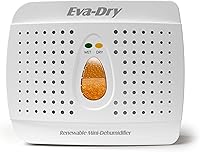
The Eva-Dry Wireless Mini Dehumidifier is designed for areas up to 333 cubic feet and absorbs up to 6 oz before recharging. It's intended for small enclosed spaces, not for lowering humidity throughout a large room.
What should you check before turning one on?
Measure humidity, check the room temperature, and look for the moisture source. These checks help you tell whether a dehumidifier is appropriate and whether the room needs another fix.
- Take a humidity reading in the affected room.
- Check the room temperature against the dehumidifier's stated range.
- Inspect windows, exterior walls, plumbing, and ceilings for signs of leaks or drafts.
- Use exhaust fans after showers and cooking.
- Recheck humidity after ventilation or other changes.
For a persistent damp basement, first check for seepage and drainage issues. If a dehumidifier is appropriate, a basement dehumidifier with a drain hose may reduce the need to empty a tank by hand.
The wisedry pair contains two 500 g bags. Each bag can adsorb 150 g of moisture, and the product can be reactivated in a microwave or oven according to its instructions.
This is a small-space option, not a substitute for a room dehumidifier when a whole room stays damp. Weigh each bag and follow its reactivation directions; don't overheat it.
Can a small moisture absorber handle a whole room?
Usually, a small rechargeable absorber suits a confined area better than a full room. Its capacity and intended use matter, so don't expect a closet or car accessory to control moisture across a basement or bedroom.
Use a compact absorber in a cabinet, closet, or vehicle where moisture is limited. For room-wide control, compare the size, type, and operating range in our guide to which dehumidifier to buy.
A desiccant dehumidifier for home use may suit a cooler room, depending on the model's stated operating conditions. If you need continuous drainage, see whether a desiccant dehumidifier with a pump fits your setup.
What can you do if winter windows keep fogging?
Reduce indoor moisture and limit contact between moist air and cold glass. Wipe condensation, run exhaust fans, and check whether the window has drafts or damaged seals.
Avoid covering vents or blocking airflow around windows. Keep curtains from trapping damp air against cold glass, and dry wet window frames to prevent moisture from lingering.
If condensation returns each day despite lower humidity, check for ventilation problems or a building issue. A dehumidifier can manage moisture in the air, but it can't correct a leak, failed seal, or insulation gap.
Which winter moisture-control option fits your space?
Choose based on the space size, humidity reading, and room temperature. A small absorber can help in a closet or car, while a room dehumidifier is more suitable for recurring moisture across a larger space.
The Eva-Dry mini is intended for small enclosed areas and recharges after absorbing moisture. The wisedry bags are reusable and intended for cars and storage spaces.
Neither is a room-sized solution.
The GOOLOO A3 is an automotive tool rather than a moisture-control product. It has an operating and storage temperature range of -4°F to 140°F, and a charging temperature range of 14°F to 113°F.
Use the GOOLOO A3 only for vehicle-related needs, following its temperature and charging instructions. It won't help lower indoor humidity.
When should you investigate a moisture problem?
Look for a leak or ventilation issue when dampness persists despite reasonable humidity control. Water stains, recurring wet patches, or condensation in one location may point to a building problem.
Check plumbing, window seals, roof areas, and basement walls. If you can't find the source or moisture keeps returning, consider help from a qualified building or plumbing professional.
For winter use, run a dehumidifier when readings and visible dampness call for it, and only within its operating temperature range. Pick a compact absorber for a small enclosed space, or a room unit sized for the area and conditions.
Frequently asked questions
What humidity should a house be in winter?
Aim for indoor relative humidity around 30% to 50% in cold weather, while also watching for window condensation. The right level depends on outdoor temperatures, insulation, and your comfort.
If moisture forms on windows or walls, lower humidity gradually and check for drafts, leaks, or ventilation problems.
Do dehumidifiers work in cold rooms?
Some do, but performance depends on the dehumidifier type and its stated operating temperature. Refrigerant models can collect less water in cool spaces, and some may frost up.
Desiccant models are often considered for colder rooms, but check the temperature range and instructions for the model you choose.
Should I run a dehumidifier all winter?
Not automatically. Check indoor humidity and signs of dampness, then run a dehumidifier only when the room needs it and the temperature is within its operating range.
Recheck humidity after changes in weather or ventilation, and address leaks or persistent condensation at the source.
Why do my windows get condensation in winter?
Warm, moist indoor air can condense on cold window glass. Cooking, showers, drying clothes indoors, and limited ventilation can add moisture.
Reduce indoor humidity if it remains high, use exhaust fans, and check for cold drafts or other building issues if condensation keeps returning.