Can You Use a Desiccant Dehumidifier with a Pump?
A desiccant dehumidifier with a pump must collect liquid water and support pumped drainage. Rechargeable silica gel units hold moisture in their beads or packs, so they need recharging rather than a drain hose.
On this page (7 sections)
A desiccant dehumidifier with a pump is useful only when the appliance collects liquid water and supports pumped drainage. The pump needs something liquid to move, so the design of the water path matters more than the word desiccant on the label.
Many compact silica gel units hold moisture in beads or packets and need recharging, so they have no water outlet for a pump. In those units, the desiccant itself is the storage system, and care means reactivating the material instead of emptying a tank or tending a hose.
A pump moves collected water through a hose to a drain or other suitable destination. That job sounds simple, but it depends on outlet size, lift height, hose length, and power, all of which come from the manuals for the specific models involved.
“Desiccant” describes how the unit removes moisture from air; it doesn't tell you whether it has a tank, drain outlet, or pump. Two appliances can both use desiccant technology and still handle water in completely different ways.
That difference shapes daily use. A tank model may need regular emptying or a hose check, while a silica gel model may need a scheduled recharge and a place to store it while it reactivates.
For a small enclosed space, rechargeable silica gel can be a practical fit because there is no cord, drain, or hose to route. For ongoing room moisture removal, a pump-ready appliance is easier to leave running if the setup matches the room.
Before buying accessories, confirm how the unit manages water after it leaves the air. If you plan for recharging, make that part of the routine from the start.
If you plan for pumped drainage, check the outlet, pump compatibility, and hose route before you order. Guessing at the connection rarely ends well, and a short check can save a return or a messy leak.
Can a desiccant dehumidifier with a pump work?
Yes, if the dehumidifier has a liquid-water collection system and a built-in pump or compatible pump connection. Some desiccant models collect water after moisture is released from the desiccant.
Others retain it in the material itself.
Check the manual for a drain outlet, supported pump connections, and any limits on hose routing. A gravity-drain port does not automatically mean an external pump will work with the unit.
If you're still choosing an appliance, our guide to which dehumidifier to buy explains how room conditions and drainage options affect the choice.
How does desiccant design affect drainage?
A desiccant unit that retains moisture in its material doesn't create a stream for a pump to move. Rechargeable silica gel units absorb moisture and need recharging instead of sending collected water through a hose.
Larger appliances can handle moisture differently. Read how a desiccant dehumidifier works to understand why the technology alone doesn't determine the drainage setup.
Which features should you check before buying?
Start with the water path: confirm that the unit collects liquid water, has a suitable outlet, and supports pumped drainage. Then match the pump and hose to the route you need.
Check these points in the dehumidifier and pump manuals:
- Does the dehumidifier collect water in a tank or drainage system?
- Is there a drain outlet or a stated pump connection?
- Does the manual approve a built-in or external pump?
- Can the hose reach the intended drain within the pump's lift and routing limits?
- Does the setup need a separate power source or automatic shutoff?
A removable tank does not guarantee that the unit has a pump port. Some tanks must be emptied by hand, while a gravity drain needs a suitable downward path and a drain below the outlet.
For a garage, compare the room and drainage needs in our guide to the best desiccant dehumidifier for a garage. To compare moisture-removal approaches, see desiccant vs. compressor dehumidifiers.
Can rechargeable silica gel units use a drain pump?
No, rechargeable silica gel units generally aren't designed for drain pumps. They hold moisture in the desiccant, then need reactivation according to their instructions.
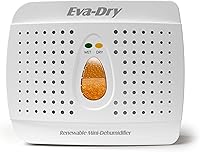
The Eva-Dry Wireless Mini Dehumidifier is a cordless option for small spaces such as closets, cabinets, cars, boats, and gun safes. It holds up to 6 oz of moisture before recharging.
The wisedry set contains two reusable 500 g silica gel packs. Each pack can absorb up to 150 g of moisture and can be reactivated according to the included instructions.
These products suit small spaces where you can remove or reactivate the desiccant. Skip them if you need automatic, continuous water removal, a hose connection, or coverage for a large room.
For a room-sized appliance, compare options in our guide to desiccant dehumidifiers for home use.
Does a drain hose need a pump?
A drain hose needs a pump only when gravity can't move water to the drain and the dehumidifier supports pumped drainage. Compare dehumidifiers with and without pumps before choosing a drainage setup.
With gravity drainage, the hose needs a steady downward path to a suitable outlet.
A pump can move water upward or across a longer route, but its lift and hose limits still apply. Read both manuals, secure the hose, and route it where a leak or spill won't damage the room.
Our guide to using a dehumidifier drain hose covers placement and basic drainage checks. If you're deciding between a portable unit and a larger system, see whole-house vs. portable dehumidifiers.
Some portable appliances offer other ways to manage collected water. Compare the Midea Cube dehumidifiers if you're considering that style.
How do you set up a dehumidifier pump?
Follow the appliance manual and confirm the route before connecting or running a pump. For a model-specific example, see how to use a Hisense dehumidifier pump.
The drain outlet, pump connection, hose, and power setup all need to match the specific unit.
- Place the dehumidifier where its manual allows, with room to access the outlet and filter.
- Connect the hose or pump only to the approved outlet.
- Route the hose to a suitable drain without kinks, sharp bends, or loose connections.
- Check the pump's lift limit against the height and distance of the route.
- Follow the instructions for power, automatic shutoff, and overflow protection.
- Run the setup as directed and check for leaks before leaving it unattended.
A pump cannot fix a unit that holds moisture in silica gel. If your model has no liquid-water outlet, use its recharging routine or choose a compatible dehumidifier.
What common mistakes can lead to drainage problems?
The most common mistake is assuming that “desiccant” means the unit has a pump-ready drain. Desiccant only names the moisture-removal method, so it cannot confirm a tank, outlet, or pump connection on its own.
Confirm the moisture path and supported connection before buying accessories or planning the installation. A quick look at the manual for the drainage method will tell you more than the technology name will.
Other problems come from treating a gravity-drain outlet like a pump connection, routing a hose beyond the pump's lift limit, or leaving kinks and loose joints in the line. Each of those setup choices can stop water from reaching the drain even when the dehumidifier itself is working.
Don't guess at the hose size or connection type; use the model's instructions. The right size and fitting keep the line secure and help prevent slow drips or sudden leaks.
A pump also needs the right operating conditions and power source. Check whether it needs a nearby outlet, how it handles shutoff, and what the manual says about overflow protection.
Follow the manuals for setup and maintenance, and check the hose and connections regularly for blockages, wear, or leaks. A hose that was clear at installation can develop a kink or buildup over time.
Place the unit where you can reach the outlet, filter, and controls without moving it. Easy access makes routine checks more likely and makes it simpler to catch a loose connection early.
When the route changes, such as a new drain location or a longer hose, recheck the lift and distance limits. A pump that worked in one spot may not suit a taller or longer route.
For rechargeable silica gel, the parallel mistake is expecting continuous drainage from a unit designed for reactivation. Those units need recharging on their own schedule, and no pump can create a water outlet that the design does not have.
Which option fits your room?
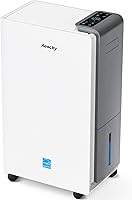
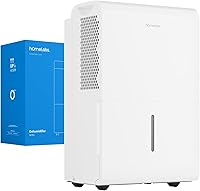
Choose a pump-ready desiccant appliance when you need ongoing water removal and its manual confirms a built-in or compatible pump. That route suits a room where you want the appliance to run without frequent manual recharging.
Choose rechargeable silica gel for a small enclosed space where you can reactivate the material, and skip it for continuous drainage. A closet, cabinet, car, or gun safe can be a good fit if you will check the unit and recharge it on schedule.
The Eva-Dry mini unit suits a closet, cabinet, car, or similar small area if its capacity and recharging routine fit. Its cordless design makes placement easier in tight spaces, but it still needs regular reactivation to keep working.
The wisedry packs suit storage areas where reusable desiccant is practical. With two packs, you can keep one in place while the other is being reactivated, which helps avoid a gap in coverage.
Neither is a substitute for a drain-connected appliance. If you need automatic, continuous water removal for a larger room, look for a model with a confirmed tank, outlet, and pump support.
Before buying, make sure the dehumidifier's water collection method matches your routine. If it collects liquid water, confirm the outlet, pump compatibility, hose route, and lift limits; if it retains moisture in silica gel, plan to recharge it instead.
Frequently asked questions
Can you connect a pump to any desiccant dehumidifier?
No. A pump needs liquid water to move, and the dehumidifier must have a compatible drain outlet or built-in pump system.
Rechargeable silica gel units hold moisture in the material and need reactivation, so they don't provide the continuous water collection and drain connection a pump requires.
Do desiccant dehumidifiers need a drain hose?
Not all of them. Small rechargeable desiccant units retain moisture in their beads or packs, while some larger units collect liquid water in a tank or offer a drain connection.
Check the manual for the specific model's drainage method before planning a hose or pump.
What should I check before buying a dehumidifier pump?
Check that the dehumidifier collects liquid water, has a drain outlet, and is compatible with a pump. Then compare the pump's lift height, hose size, and power needs with your route and the dehumidifier manual.
Check the instructions for automatic shutoff or overflow protection, too.
Can a silica gel dehumidifier drain continuously?
No. A silica gel unit absorbs moisture into its desiccant rather than collecting a stream of liquid water for a hose.
It needs recharging according to its instructions, so it won't provide continuous pumped drainage.