How Does a Desiccant Dehumidifier Work?
A desiccant dehumidifier adsorbs water vapor onto a drying material, then heats it to release the moisture. That cycle explains how desiccant dehumidifiers work and helps you choose between a small rechargeable absorber and a powered room unit.
On this page (10 sections)
- How does a desiccant dehumidifier work?
- What happens during regeneration?
- How does a desiccant unit differ from a compressor model?
- What does the desiccant process mean for small spaces?
- When does a powered desiccant dehumidifier make sense?
- How should you set up and care for a desiccant dehumidifier?
- What common mistakes should you avoid?
- Can a desiccant dehumidifier help dry clothes?
- Which products fit this moisture-removal method?
- How do you choose the right type of dehumidifier?
A desiccant dehumidifier removes water vapor by adsorbing it onto a moisture-attracting material, then heating that material to release the moisture. That is how a desiccant dehumidifier works: one airflow dries the room, while another carries damp air away.
This method differs from a compressor dehumidifier, which cools air so water condenses on a coil. Knowing the difference helps you choose the right type for a cool room, a small storage space, or a damp area that needs ongoing drying.
How does a desiccant dehumidifier work?
A desiccant dehumidifier moves air past material that attracts water vapor. When the material becomes damp, the unit heats it so the water can be released and carried away.
Many powered models use a rotating wheel or rotor coated with desiccant. One section dries incoming air while another is warmed by a separate airflow to release the collected moisture.
The air streams stay separate. Drier air returns to the room, while the warmer, wetter regeneration air exits through a vent, hose, or collection setup, depending on the model.
How does adsorption help a desiccant dehumidifier work?
Adsorption is how a desiccant captures water vapor on its surface. Absorption means a substance takes liquid into its inner structure, like a sponge holding water.
Desiccant materials have many tiny surface areas that attract water molecules. Silica gel is a familiar example, used in small packets and rechargeable moisture absorbers.
In a powered unit, the desiccant surface collects moisture until heat drives the water off during regeneration. That repeating cycle lets the material return to the drying side.
What happens during regeneration?
Regeneration heats damp desiccant so it can release the moisture it has collected. A second airflow then carries that vapor away from the drying system.
The material cools and returns to the drying side, where it can adsorb more water. The process repeats while the unit runs and conditions allow it to remove moisture.
A powered model may route moist exhaust through a hose or use a collection method specified for that design. Before choosing one, check how it disposes of moisture and whether you can install the required vent or drain.
How does a desiccant unit differ from a compressor model?
A desiccant unit uses moisture-attracting material and heat, while a compressor model condenses water on a cooled coil. The difference affects temperature performance, heat output, and how you handle the collected moisture.
A compressor model draws air across a cold surface. Water condenses and runs into a bucket or drain, while drier air leaves the unit.
A desiccant model regenerates its drying material instead. It can be useful in cooler conditions where a coil-based model may remove moisture less effectively.
Warm exhaust and energy use also matter. For a side-by-side explanation, read our guide to desiccant vs. compressor dehumidifiers.
What does the desiccant process mean for small spaces?
Small passive desiccant absorbers suit enclosed spaces with limited moisture, not whole rooms with a steady dampness problem. They collect moisture in beads or packets and need recharging when saturated.
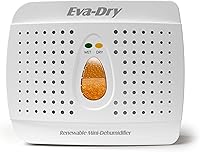
The Eva-Dry Wireless Mini Dehumidifier uses silica gel beads and is designed for spaces such as closets, cabinets, cars, and gun safes. Eva-Dry says its moisture indicator changes color as the beads absorb water and that the unit can be recharged.
Choose a passive absorber when you need a compact option for one small space and can recharge it as needed. Skip it for a damp basement, a large room, or a space that needs continuous moisture removal.
The wisedry pair includes two 500 g silica gel packs intended for cars and other storage areas. The brand says the packs can be reactivated in a microwave or oven, following its instructions.
Weigh the packs and follow the recharge directions, including the guidance about when to recharge and how to avoid overheating. These packs don't move air or provide continuous room drying like a powered dehumidifier.
When does a powered desiccant dehumidifier make sense?
Consider a powered desiccant model when you need ongoing drying in a cool area and can manage its heat and exhaust. Check the model's operating range, moisture capacity, and exhaust method before choosing it.
Garages, boats, cabins, and storage areas can be cooler or less convenient to drain than heated living spaces. A powered unit also needs clear airflow and a suitable route for its warm, moist regeneration air.
For garage-specific buying help, see our guide to the best desiccant dehumidifier for garage use. If you're choosing for a room in your home, compare the best desiccant dehumidifier for home use with the room's size, temperature, and drainage needs.
A pump can affect where a powered unit can send water. Our guide to using a desiccant dehumidifier with a pump explains what to check about the lift and hose route.
How should you set up and care for a desiccant dehumidifier?
Place the unit where air can move freely, then direct its exhaust or drain as instructed. Check the room's temperature and the unit's clearance needs before switching it on.
Keep the intake and outlet clear of walls, stored items, and fabric. A blocked path can reduce airflow, while a hose bent or routed beyond the unit's limits can interfere with drainage.
Clean or replace filters as the manufacturer directs, and inspect hoses and collection containers for clogs or leaks. Recharge passive packs only as instructed, and let them cool before returning them to a small enclosed space.
What common mistakes should you avoid?
The most common mistake is buying a small passive absorber for a room that needs continuous drying. Check the space and moisture problem first, then match the product type to the job.
Don't assume every desiccant unit handles moisture the same way. A sachet, rechargeable hanging absorber, and powered room unit differ in airflow, moisture handling, and recharging needs.
Avoid placing a powered model where its warm exhaust will make the room uncomfortable or where damp exhaust cannot be routed safely. Don't improvise a vent or drainage setup; use the method specified for the unit.
Can a desiccant dehumidifier help dry clothes?
It may help manage moisture in a room where clothes are drying, if the unit has enough capacity and airflow. Leave space around the laundry so air can circulate.
A powered desiccant unit returns drier air to the room, which can help take up moisture released by wet fabric. It doesn't guarantee quick drying in a crowded or poorly ventilated space.
See our guide to whether dehumidifiers can dry clothes for more setup tips. Avoid directing hot exhaust at clothes unless the unit's instructions allow it.
Which products fit this moisture-removal method?
Silica gel absorbers fit small spaces, while powered desiccant units suit ongoing room drying. The Eva-Dry mini unit and wisedry packs work on a small scale and need recharging.
The GOOLOO A3 is a portable jump starter with an air compressor for vehicle tire inflation. It is not a dehumidifier or a desiccant product, so it won't remove indoor humidity.
Don't confuse an air compressor for tires with a compressor dehumidifier. In a dehumidifier, the compressor is part of a refrigeration system that cools air to condense water.
How do you choose the right type of dehumidifier?
Choose a passive silica gel absorber for a small enclosed space, a powered desiccant model for ongoing drying in cooler conditions, or a compressor unit when its operating conditions fit your room. Compare capacity, heat, airflow, and moisture disposal before you buy.
If you need whole-room drying, a rechargeable bag is too limited; look for a powered unit sized for the space. For a crawl space, compare models made for that installation in our guide to the best crawl space dehumidifiers.
For the question “how does desiccant dehumidifier work,” remember the two steps: adsorption collects water on the desiccant, and regeneration releases it so the moisture can be carried away. Pick the method that matches your space, moisture load, and ability to manage exhaust or recharging.
Frequently asked questions
How does a desiccant dehumidifier work?
A desiccant dehumidifier passes air over material that attracts water vapor. The material adsorbs moisture, then heat releases it into another airflow that carries it away through a vent, hose, or collection system.
The desiccant cools and returns to the drying cycle while drier air goes back into the room.
Does a desiccant dehumidifier need a compressor?
No. A desiccant dehumidifier uses moisture-attracting material and heat to remove water vapor, rather than a refrigeration coil and compressor.
Most powered units still need electricity to move air and regenerate the desiccant.
Small passive absorbers work without a compressor or continuous power.
What does regeneration mean in a desiccant dehumidifier?
Regeneration is the step that removes moisture from the desiccant so it can adsorb water again. A heater warms the damp material, and airflow carries the released vapor away.
Small passive absorbers use a different process: you recharge the beads or packets according to their instructions.
Is a desiccant dehumidifier good for a garage?
It can suit a cool garage, but choose a unit sized for the space and its moisture load. Powered models need room for airflow and a plan for their warm, moist exhaust.
For a large or persistently damp garage, compare a powered unit's capacity, operating range, and drainage setup before buying.