Lithium vs Alkaline Batteries in Cold Weather: Which Is Better? (November 2026)
Lithium batteries are usually the better choice for outdoor sensors exposed to freezing temperatures. Check your sensor’s manual for the required battery chemistry and size before replacing alkaline cells.
On this page (6 sections)
- Lithium vs alkaline batteries in cold weather: which should you choose?
- Why does cold weather affect alkaline batteries?
- Does battery size matter as much as chemistry?
- Which battery choices fit common weather station sensors?
- How can you reduce battery problems in winter?
- What is the best choice for a cold-weather weather station?
Lithium batteries are usually the better choice for outdoor sensors exposed to freezing temperatures. Alkaline cells can work when the sensor permits them, but cold can make their power delivery less dependable.
For a weather station, match the battery to the sensor’s required size, voltage and chemistry. A lithium AAA cell is not a replacement for an AA or CR123A cell, even if all three are lithium.
This guide compares cold-weather fit, battery life considerations and practical replacement choices. Start with the manual for your exact sensor, then choose a compatible battery.

 Best for mild-weather AAA use
Amazon Basics AAA Long-Lasting Alkaline Batteries
Lithium vs alkaline batteries in cold weather: which should you choose?
Choose lithium for a compatible outdoor sensor that must operate in freezing conditions. Choose alkaline only when the manual allows it and the sensor’s temperature needs are modest.
Cold affects battery performance, so a cell that works well indoors may deliver less usable power in an exposed sensor. A weather station may then miss readings or stop transmitting until conditions change or you replace the batteries.
The Energizer Ultimate Lithium AAA battery is described for temperatures from -40°F to 140°F. That published range makes it a relevant option for cold-weather AAA devices, though it does not guarantee how long it will run in a particular sensor.
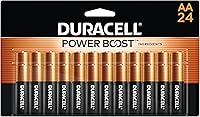
The Amazon Basics AAA and AA options are alkaline. Their product details don't provide an operating temperature range, so don't assume they match the lithium AAA cell for use in deep cold.
Why does cold weather affect alkaline batteries?
Alkaline batteries can lose performance in cold conditions, which may shorten useful operation in an exposed sensor. The exact effect depends on the sensor, temperature and battery condition.
A sensor draws power while measuring and sending data. When the battery struggles to deliver that power, transmission can become unreliable or the device can stop working.
The problem can be easy to miss because the display indoors may still look normal. If an outdoor reading disappears during a cold spell, check the sensor’s batteries and connection before assuming the sensor itself has failed.
Are lithium batteries better for a freezing outdoor sensor?
Lithium is the stronger starting point for freezing weather when the sensor manual allows it. The Energizer Ultimate Lithium AAA batteries have a stated operating range that includes well below freezing.
That range applies to this specific AAA battery. It is not a temperature guarantee for every lithium chemistry, brand or battery size.
Use lithium cells in the exact format the sensor requires. If it takes AA batteries, don't install AAA cells with an adapter unless the manufacturer specifically approves that setup.
Can alkaline batteries still work outdoors?
Alkaline can be suitable when the sensor manual permits it and outdoor temperatures stay within the device’s limits. It may be a practical choice for a sheltered sensor in milder conditions.
Check the station’s operating range as well as the battery type. The sensor’s own temperature limit can be more restrictive than the battery’s stated range.
If cold weather arrives, check for weak or missing readings and replace batteries with a fresh, matched set. Don't mix different chemistries to try to improve performance.
Does battery size matter as much as chemistry?
Yes, the sensor’s required battery size and voltage come first. Chemistry is only a choice among cells that fit the device and meet its electrical requirements.
A typical AA compartment cannot take AAA cells directly, and a 3V CR123A battery is a different format from either. The Energizer 123 Lithium Batteries are 3V CR123A cells, while the Energizer Ultimate Lithium batteries are AAA cells with 1.5V output.
Read the markings inside the compartment or consult the manual. Confirm the battery size, voltage, polarity and whether lithium is approved before buying replacements.
For a broader explanation of common power sources, see How Do Weather Stations Get Power? The Simple Answer.
It can help distinguish a sensor’s battery supply from the station console’s power needs.
Are lithium-ion and lithium batteries the same?
No, lithium-ion and primary lithium batteries are different battery types. Don't treat their names as interchangeable when choosing cells for a weather sensor.
The Energizer Ultimate Lithium AAA batteries in this comparison are single-use lithium batteries. They are not the same thing as rechargeable lithium-ion cells.
If you’re comparing chemistries, our guide to lithium ion batteries vs alkaline explains why the labels alone don't tell you whether batteries can be swapped. Always follow the sensor manual for the specific type it supports.
Which battery choices fit common weather station sensors?
For a freezing outdoor sensor, pick a compatible lithium cell; for a mild-weather sensor, alkaline may be acceptable if its manual says so. These four options cover different sizes, so check the sensor before selecting one.
The best battery for outdoor weather station guide compares options by sensor fit and use conditions. If you need a general chemistry comparison beyond weather stations, read lithium vs alkaline batteries.
How can you reduce battery problems in winter?
Use the approved battery type, install a fresh matched set and check the sensor after severe cold. These steps help you tell a battery issue from a signal or placement problem.
- Check the manual first. Confirm cell size, chemistry, polarity and allowed temperatures.
- Replace cells as a set. Don't mix new and used batteries or combine lithium and alkaline.
- Inspect the contacts. Remove dirt with a dry cloth and look for corrosion before installing replacements.
- Close the cover fully. A loose battery cover can let moisture reach the compartment.
- Check readings after replacement. Confirm that the sensor resumes sending data to the console or app.
Keep spare batteries in a cool, dry place and follow their storage directions. Avoid leaving a spare pack in a hot vehicle or damp shed.
If the sensor still stops reporting after a correct battery replacement, check its placement, pairing and wireless range. The manual can also explain any reset or re-linking steps.
What is the best choice for a cold-weather weather station?
Choose a compatible lithium battery for a sensor that must keep working through freezing temperatures. Use alkaline where the manual permits it and local conditions are milder.
The Energizer Ultimate Lithium AAA batteries are the clearest cold-weather fit here because their stated temperature range reaches -40°F. The 3V Energizer 123 batteries suit only a sensor that specifically calls for CR123A or a compatible type.
The Amazon Basics alkaline options offer AA and AAA formats, but the sensor must allow alkaline chemistry. Match the size and voltage first, then choose the chemistry that fits the expected cold.
Pick lithium if your compatible outdoor sensor faces repeated freezing weather. Pick alkaline if the device manual approves it and your conditions make its limitations acceptable.
Frequently asked questions
Are lithium batteries better than alkaline in cold weather?
Lithium batteries are generally the safer choice for devices used in freezing conditions, but the right battery depends on the sensor manual. Energizer gives its Ultimate Lithium AAA batteries an operating range from -40°F to 140°F.
That range applies to those batteries, not every lithium cell.
Can I put lithium batteries in an outdoor weather station?
Use lithium cells only if the station manual permits them and the battery size and voltage match. A lithium AAA cell and a 3V CR123A cell are different formats, so chemistry alone does not make them interchangeable.
Can I use alkaline batteries in freezing weather?
You can use alkaline batteries in freezing weather if the sensor maker allows them, but cold can reduce how well batteries deliver power. Check the manual and consider the sensor’s minimum operating temperature before relying on alkaline cells outdoors.
Should I mix lithium and alkaline batteries?
No. Use a matched set of the chemistry and type specified for the sensor.
Mixing battery chemistries or old and new cells can cause uneven performance, and the device manual may prohibit it.
What should I check before changing outdoor sensor batteries?
Check the manual for battery size, chemistry, voltage, polarity and replacement steps. Replace the full set with matching cells, inspect the contacts for dirt or corrosion, and make sure the cover seals correctly after you close it.