Lithium-Ion vs Alkaline Batteries: Are They Interchangeable? (October 2026)
Usually, lithium-ion and alkaline batteries are not interchangeable. Rechargeable lithium-ion cells commonly have a higher nominal voltage than alkaline cells, so check the device manual and battery type before swapping.
On this page (8 sections)
- Lithium ion batteries vs alkaline: are they interchangeable?
- What voltage difference should you check?
- Which battery type should you choose for a weather station?
- When can lithium AA cells be useful?
- What do these two AA options offer?
- Can you recharge either of these batteries?
- How can you avoid a battery mismatch?
- What is the simplest choice?
Lithium-ion and alkaline batteries are usually not interchangeable. Their shape may match, but their chemistry and voltage can differ enough to affect a device.
“Lithium AA” can mean a disposable lithium metal cell, not a rechargeable lithium-ion battery. That distinction matters for weather stations, where the outdoor sensor and indoor display may have different battery requirements.
Use the exact battery type named in your device manual. Our guide to how weather stations get power explains common power sources and why sensor and display needs can vary.
 Best for standard alkaline replacement
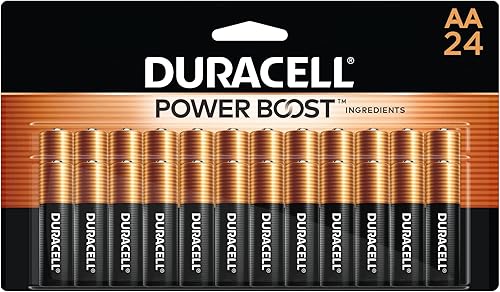
Duracell Coppertop AA Batteries
 Best for lithium AA conditions
Energizer Ultimate Lithium AA Batteries
Lithium ion batteries vs alkaline: are they interchangeable?
Not by default. Use the chemistry and voltage approved for the device.
A cell that fits the compartment can still deliver different electrical characteristics.
Duracell Coppertop AA and Energizer Ultimate Lithium AA are both 1.5 V. Rechargeable lithium-ion cells commonly have a higher nominal voltage, so check the manual before using one in equipment designed for alkaline cells.
Check the manual, battery compartment label and battery itself. If the instructions say alkaline AA, use alkaline AA unless the manufacturer specifically lists another chemistry as compatible.
Does “lithium” mean lithium-ion?
No, “lithium” can refer to different battery chemistries. Energizer Ultimate Lithium AA is a 1.5 V lithium metal cell and is single use, not rechargeable.
Rechargeable lithium-ion is a different chemistry. Don't assume a device accepts it because its manual mentions lithium batteries or because the cell has the same shape.
The name alone doesn't tell you the voltage. Read the battery label and compare it with the device's specified chemistry and voltage.
What voltage difference should you check?
Compare the nominal voltage printed on the cell with the device's instructions. Duracell Coppertop AA and Energizer Ultimate Lithium AA are both 1.5 V, while rechargeable lithium-ion cells commonly have a higher nominal voltage.
Voltage is only one part of compatibility. Battery size, chemistry, charging method and the device's power design all matter, so a similar shape isn't enough to confirm compatibility.
A 1.5 V lithium metal AA cell is not lithium-ion or rechargeable. Its voltage and size also don't mean every device that accepts alkaline cells approves lithium metal.
Which battery type should you choose for a weather station?
Choose the type named in the manual for the exact weather station component. The outdoor sensor and indoor display may have different battery instructions.
Look up the model number on the sensor and display, then check the matching instructions. Confirm the required size and chemistry for each unit before replacing batteries.
If your manual specifies alkaline AA cells, Duracell Coppertop AA Batteries are a 1.5 V alkaline option for devices that require AA/LR6 batteries. {{product B0035LCFNQ | A 1.5 V alkaline AA option when the manual calls for alkaline cells.}}
If the manual permits lithium AA cells, Energizer Ultimate Lithium AA Batteries are 1.5 V lithium metal cells, not rechargeable lithium-ion batteries. {{product B01C4PP8FK | A 1.5 V lithium metal AA option where the device instructions allow that chemistry.}}
For model-specific guidance, read what batteries you should use in an AcuRite weather station. Follow the sensor and display instructions separately, and replace batteries as a set with the same type and age.
When can lithium AA cells be useful?
Lithium metal AA batteries may suit devices whose instructions allow them, especially when operating temperatures are a concern. Energizer says its Ultimate Lithium AA cells can perform from -40°F to 140°F and hold power in storage for up to 25 years.
That temperature range describes the batteries' stated operating capability. It doesn't guarantee that every weather station will work across the same range, so check the station's own limits.
For outdoor use, compare lithium vs alkaline batteries in cold weather and check the sensor manual's approved range. Battery chemistry is one part of cold-weather reliability, alongside placement and the device's specifications.
What do these two AA options offer?
Duracell Coppertop is the alkaline choice, while Energizer Ultimate Lithium is a disposable lithium metal choice. Neither product is rechargeable lithium-ion.
Duracell Coppertop AA is a 1.5 V alkaline battery for devices requiring AA/LR6 cells. Duracell guarantees it will remain ready for up to 12 years in storage.
Energizer Ultimate Lithium AA is also 1.5 V, but uses lithium metal chemistry. Energizer says the cells can perform from -40°F to 140°F and hold power in storage for up to 25 years.
Use either only where the device maker approves its chemistry. The same voltage and cell size do not mean a battery is suitable for a particular AcuRite model.
Can you recharge either of these batteries?
No, both examples are single-use batteries. Do not put either in a charger.
Rechargeable batteries need a charger designed for their chemistry and a device that accepts them. Check the weather station manual for approved cell types and charging guidance before buying batteries.
Do not try to recharge a disposable alkaline or lithium metal cell. Follow the battery maker's disposal guidance and local rules for spent batteries.
How can you avoid a battery mismatch?
Read the device instructions before buying replacements, then match size, chemistry and voltage. Check the markings for each component rather than assuming a station uses the same batteries throughout.
A quick check can prevent a wrong purchase:
- Find the model number on the outdoor sensor and display.
- Check the manual or compartment label for battery size and chemistry.
- Compare those requirements with the cell label.
- Use a different chemistry only if the instructions say it is compatible.
- Replace cells as a set with the same type and age.
If the manual is unclear, use the battery type printed on the compartment or contact AcuRite support with the model number. Don't test an uncertain replacement in the device.
What is the simplest choice?
Use alkaline AA cells when the manual specifies alkaline, and use lithium metal AA cells only when the manual allows them. Treat rechargeable lithium-ion as a separate chemistry that requires explicit device approval.
Choose lithium vs alkaline batteries based on the device instructions, expected temperatures and whether you need single-use or rechargeable cells. For an AcuRite station, the exact model manual is the final compatibility check.
Frequently asked questions
Can lithium-ion batteries replace alkaline batteries?
Usually, don't substitute a rechargeable lithium-ion cell for an alkaline battery unless the device manual explicitly allows it. Many lithium-ion cells have a higher nominal voltage, and the device may not be designed for that voltage or charging behavior.
Match the size, chemistry and voltage the manufacturer specifies.
Are lithium AA batteries the same as lithium-ion AA batteries?
No. Many disposable lithium AA cells use lithium metal chemistry and have a nominal voltage of 1.5 V.
Rechargeable lithium-ion cells use a different chemistry and commonly have a higher nominal voltage, so the word lithium alone doesn't confirm compatibility.
Can I use lithium AA batteries in an AcuRite weather station?
Use lithium AA cells only if the instructions for your exact AcuRite model allow them. Battery guidance can differ between the display and outdoor sensor, so check both manuals for the required size and chemistry before installing replacements.
Can alkaline batteries be recharged?
No. Standard alkaline AA batteries are single-use cells and should not be placed in a charger.
Use only rechargeable cells that match the device's specified chemistry and a charger designed for that cell type.
Why does rechargeable lithium-ion voltage matter?
A rechargeable lithium-ion cell commonly has a higher nominal voltage than a 1.5 V alkaline cell. A device built for alkaline batteries may not tolerate that difference, so compare the battery label with the manual rather than relying on the shared AA shape.