How to Choose a Weighing Bucket Rain Gauge
Choose a weighing bucket rain gauge when you need a continuous record of accumulated precipitation and the unit suits your site. Compare range, resolution, snow handling, power, data storage and upkeep before you buy.
On this page (8 sections)
- What does a weighing bucket rain gauge measure?
- How does a weighing bucket gauge compare with a tipping bucket?
- What records and outputs should you check?
- Where should you install a weighing bucket gauge?
- Can a weighing gauge measure snow?
- What maintenance and calibration should you expect?
- What mistakes should you avoid when choosing one?
- How do you choose a weighing bucket rain gauge?
A weighing bucket rain gauge suits monitoring that needs a continuous record of accumulated precipitation, including possible snow measurement. Before choosing one, match its range and resolution to your reporting needs, then check its power, data storage, site and upkeep requirements.
The gauge collects precipitation in a bucket and estimates the amount from changes in weight. That measurement method can suit work where you want an accumulation record over time rather than a series of bucket tips.
Start by deciding what you need the record to answer: how much rain fell in a storm, how precipitation changed through the day, or how much water reached a particular site. If you mainly want rainfall totals at home, a simpler rain gauge or weather station may be easier to manage.
For background on measurement methods, see What Is a Rain Gauge? and how recording and non-recording rain gauges differ.
What does a weighing bucket rain gauge measure?
A weighing bucket gauge measures the accumulating weight of precipitation in its collector and converts that change into a precipitation amount. Its usefulness depends on the types of precipitation, rates and totals it can handle.
Compare the stated measurement range with the largest accumulation you expect between service visits. A gauge with too little capacity may need frequent attention or may fail to capture the full total during a large event.
Resolution is the smallest change the instrument can distinguish. A household log may not need the same fine increments as a field study or a formal monitoring record.
Check the units, capacity, accumulation interval and overflow behavior before buying. If the manufacturer does not explain one of these clearly, get the answer before relying on the gauge for a consistent record.
Which resolution should a weighing bucket rain gauge have?
Choose the resolution that supports the decisions and reports you actually need. Smaller increments can help reveal light precipitation or short-term changes, but they matter less if you only compare daily totals.
Match the gauge’s units to your reporting format. If you keep records in millimeters, confirm that the display or data output supports those units without repeated conversions.
Ask whether the stated resolution remains the same across the full measurement range. Also check how often readings are recorded, since a fine measurement increment is less useful if the instrument saves data too infrequently for your purpose.
How does a weighing bucket gauge compare with a tipping bucket?
A weighing gauge estimates precipitation from changes in the collector’s weight, while a tipping bucket counts measured volumes as they fill and tip. The better fit depends on the record, precipitation type and upkeep you can support.
A tipping bucket creates a sequence of tips that can show how rainfall changes over time. Its moving parts and fixed bucket volumes are relevant when you compare readings during intense rainfall or need a particular level of detail.
A weighing system can track accumulation without waiting for a bucket to tip. Some models can also measure snow, but you must check the specific method, heater requirements and capacity before assuming a unit is suited to winter use.
See how a tipping bucket rain gauge works for a closer look at that method. A comparison of both types should include resolution, maximum capacity, recording interval, output format and service needs.
For a home weather station that pairs rain readings with other outdoor conditions, the AcuRite Iris 5-in-1 sensor measures temperature, humidity, wind speed, wind direction and rain. It sends readings wirelessly to compatible AcuRite 5-in-1 displays.
What records and outputs should you check?
Choose an instrument whose data output fits the way you plan to review and share precipitation records. A live display, stored totals and exportable time series serve different needs.
For occasional household comparisons, a local display or a simple log may be enough. Research, site management or long-term tracking can call for timestamps, downloadable files and a clear way to preserve readings.
Check whether the gauge stores data locally, sends it to another device or depends on a dashboard. Find out how it handles power or connection interruptions, and whether missing data can be recovered.
Look for daily totals, event totals and time-series readings if those matter to your work. Confirm the export format before buying if you need to combine results with a spreadsheet or other monitoring system.
A written log can help you keep readings alongside notes about service or site changes. Use a rain gauge record sheet to record dates, totals and maintenance.
Where should you install a weighing bucket gauge?
Install a weighing bucket gauge in an open, stable place where precipitation can reach the collector without nearby splash or obstruction. Follow the unit’s mounting and clearance instructions.
Trees, buildings, fences and roof edges can block wind-driven rain or change airflow around the collector. A stable mounting surface also helps prevent movement from affecting the instrument.
Keep the gauge away from sprinkler spray and roof runoff. Avoid locations where drifting snow can collect unevenly, and make sure you can safely reach the unit for inspection and service.
Plan the practical details before you mount it. Check the power source, cable route, communications range and access for maintenance, especially if the gauge will sit at a remote or unattended site.
For irrigation control, a rain sensor serves a different purpose from a weighing gauge: it can pause watering when rain is detected, but it does not provide the same precipitation record. The Rain Bird CPRSDBEX has adjustable rainfall settings and connects to most irrigation controllers.
Can a weighing gauge measure snow?
A weighing gauge may suit snow monitoring if its design supports solid precipitation and its operating method fits your climate. Confirm whether it weighs snow directly or melts it before measuring the resulting water.
Wind can carry snow past an opening or cause uneven accumulation. Snow may also bridge across a collector, while meltwater can behave differently from loose snow.
If the unit uses heat, check its power needs and the conditions in which heating runs. Also review the manufacturer’s directions for wind protection, antifreeze and winter service.
A gauge intended for rainfall in mild weather may not be a good fit for unattended winter monitoring. Compare the stated precipitation types and operating conditions with what your site experiences.
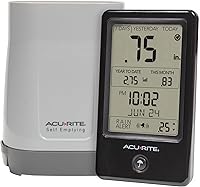
For home monitoring that combines rain history with wind, temperature and humidity, the AcuRite Iris Weather Station includes a self-emptying rain collector and wireless outdoor sensor. It is a combined weather station, not a weighing bucket gauge.
What maintenance and calibration should you expect?
A weighing bucket gauge needs regular checks for debris, level, drainage and calibration. Set the schedule around the manufacturer’s instructions, local conditions and how important uninterrupted records are.
Leaves, dust and insects can obstruct the collector. Inspect it safely, remove debris and confirm that the bucket drains or empties as designed.
Follow the manufacturer’s calibration process and use a reference amount or calibration weight if specified. Keep a record of checks and adjustments so you can identify when the measurement setup changed.
Review the gauge after storms, high winds or nearby landscaping work. A changed mounting position, blocked opening or altered surroundings can affect how much precipitation reaches the collector.
For more on factors that affect readings, see Are Rain Gauges Accurate?. A homemade gauge may help with a basic observation, but it may not provide the resolution, data recording or calibration process you need; see How to Make a Rain Gauge.
What mistakes should you avoid when choosing one?
The most common buying mistakes are choosing by measurement method alone, overlooking the data workflow and underestimating site care. A gauge only helps if its range, outputs and operating requirements fit your monitoring plan.
- Assuming every weighing gauge handles snow: Confirm the precipitation types and any heating requirements for the specific model.
- Buying too little capacity: Compare the maximum range with the largest likely accumulation between visits.
- Overlooking resolution: Match the smallest recorded increment to your reports and decisions.
- Ignoring power and communications: An otherwise suitable unit may be impractical at a remote site without reliable power or a usable connection.
- Mounting near an obstruction: Nearby structures, vegetation and sprinkler spray can distort the amount collected.
- Skipping calibration and inspection: Debris, movement or drift can make a long record less useful.
- Expecting a rain sensor to keep totals: Irrigation sensors help control watering; they are not substitutes for a gauge that records precipitation amounts.
Write down your must-haves before comparing models. That list makes it easier to distinguish necessary features from accessories you may not use.
How do you choose a weighing bucket rain gauge?
Choose a weighing bucket rain gauge when continuous accumulation records or supported snow measurement matter, and the unit’s capacity, power and data workflow suit your site. Choose another gauge type when you need simpler rainfall totals or a different output.
Pick a weighing model for ongoing records when its resolution and storage meet your reporting needs. Pick a tipping bucket when that method, its outputs and its maintenance better match the rainfall monitoring you plan to do.
For a home setup, a combined weather station may be enough if rainfall history alongside wind, temperature and humidity is the goal. For irrigation control, a rain sensor can pause watering, while a recording gauge answers how much precipitation fell.
Before you buy, compare the manufacturer’s instructions for installation, calibration, capacity and data access. If you need an independent rainfall record, choose the gauge whose measurement method and records answer that question with the least extra work.