What Is a UV Sensor? A Quick Weather Explainer
A UV sensor is a device that measures ultraviolet (UV) radiation from the sun. It helps determine the intensity of UV rays reaching the Earth’s surface. This information is important for understanding potential sun exposure risks and for various weather-related applications. These sensors are often found in weather stations and personal devices.
You might wonder why UV levels matter for weather. High UV radiation can impact skin health and influence weather patterns. Many devices, like smartphones and wearable tech, now include UV sensors. They provide real-time UV index readings right on your wrist or screen. This lets you easily check the current UV threat level.
- UV sensors measure sun’s ultraviolet radiation.
- They help assess UV intensity and health risks.
- Commonly used in weather stations and personal devices.
- Provide real-time UV index readings.
- Understanding UV helps protect your skin.
Ready to learn more about how these handy sensors work and why they are useful? Let’s break down the basics of UV sensors and their role in our daily lives and weather forecasting.
Understanding UV Radiation: What It Is and Why It Matters
You’ve heard about UV rays, but what exactly are they? UV stands for ultraviolet. It’s a type of **electromagnetic radiation** that comes from the sun. Think of it as a part of sunlight you can’t see. It’s invisible to your eyes. UV radiation falls on the spectrum between visible light and X-rays. We experience it as heat and light.
UV radiation is broken down into three main types: UVA, UVB, and UVC. UVC is mostly absorbed by Earth’s atmosphere, so we don’t typically worry about it. UVA rays penetrate deeper into the skin. They are linked to skin aging. UVB rays are the primary cause of sunburn. They also play a role in skin cancer. Both UVA and UVB rays can be harmful.
The sun’s output of UV radiation varies. It depends on factors like time of day, season, and geographic location. Even on cloudy days, UV rays can reach the ground. This is why **sun protection is important** year-round. Many surfaces, like sand and water, can reflect UV rays. This increases your exposure.
How UV Sensors Work: The Technology Behind the Readings
So, how does a device actually measure something invisible like UV radiation? It’s all about specialized sensors. These sensors contain materials that react to UV light. When UV photons hit these materials, they cause a change. This change is then converted into an electrical signal.
The most common type of UV sensor uses a photodiode. This is a semiconductor device. It converts light into an electric current. Different photodiodes are sensitive to different wavelengths of light. For UV sensors, they are designed to be sensitive to the UVA and UVB ranges. The **intensity of the UV radiation** directly affects the strength of the electrical signal produced.
Many UV sensors also use filters. These filters help block visible light and infrared radiation. This ensures that only the UV portion of the spectrum is measured. This is important for accuracy. The sensor then sends this electrical signal to a processing unit. This unit translates the signal into a useful measurement. It might display a UV index number, for example.
Types of UV Sensor Technology
There are a few key technologies used in UV sensors. Each has its own strengths and applications. Understanding these can help you appreciate the devices you use.
Photodiode-Based Sensors
As mentioned, these are very common. They are often found in portable devices. They offer a good balance of accuracy and cost. The materials used in the photodiode determine its UV sensitivity. Silicon is often used, but special compounds like gallium nitride are also employed for better UV detection.
Thermopile Sensors
These sensors measure UV radiation by detecting the heat it produces. When UV light hits the sensor, it warms up. The thermopile converts this temperature difference into a voltage. While generally less sensitive to UV than photodiodes, they can be very **stable and reliable** over time. They are often used in more industrial or scientific settings.
CMOS Image Sensors
Some advanced devices use modified camera sensors. These can detect UV light. They capture an image based on UV intensity. This allows for mapping UV levels across an area. This is more complex and less common in everyday gadgets. It offers a different way to visualize UV exposure.
The UV Index: Your Daily Guide to Sun Safety
You’ve probably seen the UV Index on weather apps or forecasts. But what does that number actually mean? The UV Index is a standardized way to report the strength of the sun’s ultraviolet (UV) radiation at a particular place and time. It’s designed to help you understand when and how to **protect yourself from UV exposure**.
The index is a scale from 0 to 11+. A higher number means a greater risk of UV damage. It’s calculated based on several factors. These include the ozone layer’s thickness, cloud cover, and the time of day. It also considers the angle of the sun. A lower sun angle, like in the early morning or late afternoon, means less intense UV radiation.
Understanding the UV Index Categories
The UV Index uses color-coded categories. This makes it easy to understand the risk at a glance. Here’s a general breakdown:
- 0-2 (Low): UV levels are minimal. Protection is generally not needed.
- 3-5 (Moderate): UV levels are moderate. Some protection is recommended. Seek shade during peak hours.
- 6-7 (High): UV levels are high. Protection is essential. Wear protective clothing, sunglasses, and sunscreen.
- 8-10 (Very High): UV levels are very high. Extra precautions are needed. Limit sun exposure between 10 AM and 4 PM.
- 11+ (Extreme): UV levels are extremely high. Take all precautions to avoid unprotected sun exposure.
Many devices that have UV sensors will display the UV Index directly. This is incredibly handy. You can check it before heading outdoors. This allows you to plan your activities accordingly. It helps you make **informed decisions about sun safety**.
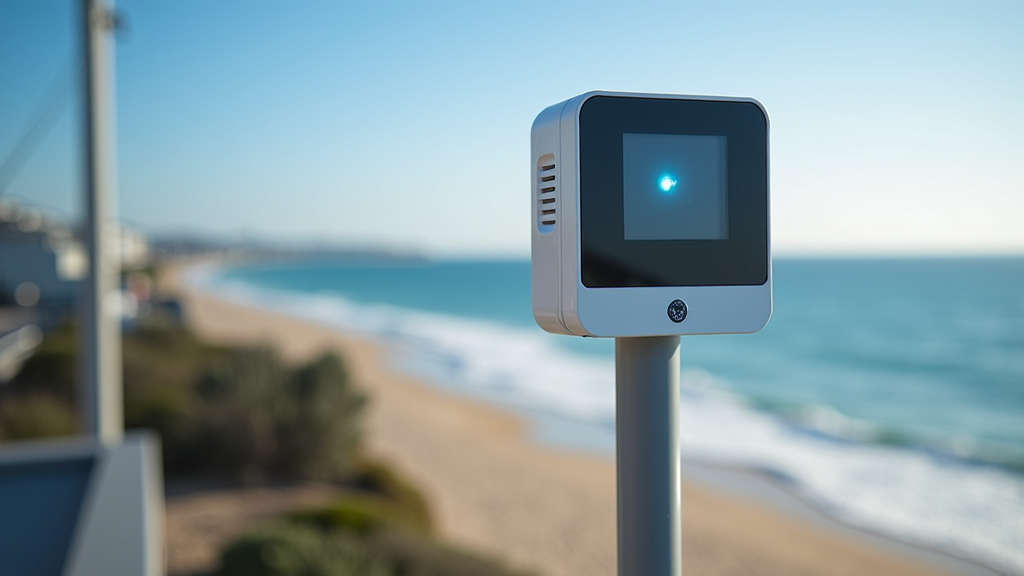
Where You’ll Find UV Sensors: Beyond the Weather Report
While weather stations are a common place to find UV sensors, their use has expanded greatly. Modern technology has integrated them into many devices you might already own or use.
Personal Devices and Wearables
Smartphones and smartwatches are increasingly equipped with UV sensors. Your phone might have a small sensor on its surface. Your smartwatch can measure UV exposure directly on your wrist. These devices often provide **real-time UV index readings**. They may also offer alerts or recommendations based on the current conditions. Some fitness trackers can even estimate cumulative UV exposure over a workout.
Outdoor Gear and Accessories
You can find UV sensors in specialized outdoor gear. Some hats or clothing might have integrated sensors. Certain outdoor recreational equipment or monitoring devices also include them. These are designed for people who spend a lot of time outdoors. They offer continuous monitoring of UV levels in specific environments.
Scientific and Environmental Monitoring
Beyond everyday use, UV sensors play a vital role in scientific research. Environmental agencies use them to monitor UV levels across regions. This data helps in understanding **climate change impacts** and ozone depletion. Agricultural researchers might use them to study how UV radiation affects crops.
Why Should You Care About UV Readings? Benefits of Knowing
Understanding UV radiation levels isn’t just about knowing the weather. It has direct implications for your health and well-being. Paying attention to UV sensor readings can benefit you in several ways.
Protecting Your Skin Health
The most immediate benefit is **preventing sunburn and long-term skin damage**. Excessive UV exposure is a major risk factor for skin cancer. By checking the UV index, you can take appropriate measures. This includes wearing sunscreen, protective clothing, and seeking shade. This knowledge empowers you to be more vigilant about sun safety for yourself and your family.
Eye Protection Awareness
Your eyes are also vulnerable to UV damage. Prolonged exposure can lead to cataracts and other eye conditions. Wearing sunglasses that block 99-100% of UVA and UVB rays is crucial. UV sensors help reinforce the need for this protection. They remind you to **put on your shades**, especially when UV levels are high.
Informing Outdoor Activities
If you enjoy hiking, gardening, or playing sports outdoors, UV readings are important. They can help you **plan your activities** to minimize risk. You might choose to exercise indoors or in shaded areas during peak UV hours. Or you might simply know to lather up with extra sunscreen before heading out. It’s about making smart choices for your health.
Understanding Environmental Conditions
For some, understanding UV levels is part of a broader interest in weather. High UV can affect air quality and plant life. Knowing the UV intensity provides a more complete picture of the outdoor environment. It adds another layer to your awareness of the **natural world around you**.
Here’s a quick checklist to help you remember the key takeaways about UV sensors:
- Know that UV sensors measure invisible ultraviolet radiation.
- Understand the UV Index scale for risk assessment.
- Check UV readings before spending time outdoors.
- Use UV data to guide your sun protection choices.
- Protect your skin and eyes based on UV intensity.
- Many everyday devices now include UV sensing capabilities.
Conclusion
You’ve learned that UV sensors are your helpful guide to understanding the sun’s invisible rays. They measure ultraviolet radiation, helping you stay safe outdoors. Knowing the UV Index lets you make smart choices about sun protection for your skin and eyes. Many devices now offer this information right at your fingertips. The next time you head outside, check your UV reading. It’s a simple step for better health and enjoyment.
Frequently Asked Questions
Can I rely on my phone’s UV sensor?
Many smartphones and smartwatches have built-in UV sensors that provide useful readings. While they offer a good general idea of UV intensity, their accuracy can vary. For critical sun protection decisions, especially during peak hours, it’s wise to cross-reference with local weather reports or dedicated UV meters.
Are UV sensors accurate on cloudy days?
Yes, UV sensors can still provide accurate readings on cloudy days. While clouds can block some UV radiation, a significant portion can still penetrate them. This is why it’s important to check the UV Index even when the sun isn’t shining brightly. Your UV sensor will help you understand this invisible risk.
Do I need sunscreen if my UV sensor reads “Low”?
If your UV sensor reads “Low” (typically 0-2), you generally don’t need sunscreen for short periods outdoors. However, prolonged exposure, even at low levels, can still cause some damage over time. It’s always a good practice to protect your skin, especially if you have sensitive skin or are out for extended periods.
How do UV sensors protect my eyes?
UV sensors don’t directly protect your eyes. Instead, they inform you about the UV levels so you can take protective measures. When UV readings are high, you’ll know it’s essential to wear sunglasses that block UVA and UVB rays. This awareness helps prevent eye strain and long-term damage like cataracts.
Can UV sensors detect different types of UV rays?
Most common UV sensors are designed to measure both UVA and UVB rays, which are the types that reach the Earth’s surface and affect us. These sensors help assess the combined intensity of these harmful rays. UVC rays are largely absorbed by the atmosphere and are not typically measured by consumer devices.