Whole House Dehumidifier vs Portable: Which to Choose? (November 2026)
Choose a whole-house dehumidifier for connected, multi-room moisture control; choose a portable unit to target one room or move between spaces. A portable whole house dehumidifier can help in an open layout, but it won't distribute dry air through closed rooms like a ducted system.
On this page (5 sections)
Choose a whole-house dehumidifier for connected, multi-room moisture control; choose a portable unit to target one room or move between spaces. A portable unit can help in an open layout, but it will not send dry air through closed rooms like a ducted system.
The main difference is placement. A whole-house system is tied to the HVAC or duct setup, while a portable unit sits in one room and treats nearby air.
That placement affects which rooms benefit, how water is collected, and how much work you will do moving or servicing the unit. It is the first thing to sort out before you compare models or coverage claims.
A portable unit works best when one damp area is the clear problem most days. A basement corner, laundry room, or bedroom with recurring condensation fits that case better than a house where moisture keeps shifting from room to room.
A whole-house system suits a different pattern. It is worth considering when several connected rooms stay damp at the same time and the HVAC system already moves air between them.
It also suits homes where you do not want to carry a portable unit from space to space. That convenience only helps when the duct layout can carry treated air to the rooms that need it.
Coverage numbers need a careful reading either way. A large square-foot claim describes the area a portable unit is meant for, not a promise that walls and closed doors will not matter.
Air must travel to the unit to be dried, and dry air must travel back out. Walls, shut doors, furniture, and long hallways can slow that exchange and leave distant rooms less affected.
Before you decide which dehumidifier to buy, note where dampness shows up first and whether it spreads. Note the time of day, the season, and whether interior doors stay open during normal use.
Also decide early how you will handle collected water and routine care. You may empty a tank, use a gravity hose, or need another route for condensate, and the checks you can keep up with will decide if the system helps.
A portable unit lets you test a spot before you commit to more work. You can place it where moisture is strongest, watch readings in that room and nearby rooms, and learn how air moves through your home.
A whole-house option asks for more planning up front. You will need to check duct connections, drain access, and controls, since those details decide whether it can serve the rooms you care about.
Neither choice removes the need to fix the source of moisture. A leak, poor ventilation, or water entering a basement will keep feeding dampness with either type of dehumidifier.
 Best for large-area portable use
AEOCKY 5500 Sq.Ft Energy Star Most Efficient
Whole house dehumidifier vs portable: which covers more rooms?
A ducted whole-house system is usually the better fit when several connected rooms need regular humidity control. A portable unit can cover a large open area, but walls and closed doors limit how well it can reach other rooms.
A portable model's square-foot coverage figure is a guide to its intended use, not a guarantee that every room in that area will have the same humidity. Airflow, layout, door position, moisture sources and placement all affect what one unit can do.
Can a portable dehumidifier do a whole house?
It may help across an open floor plan, but a portable appliance doesn't send treated air through a home's ducts. Its fan circulates air in the room where it stands, so distant or closed rooms can remain damp.
For a fair check, place a hygrometer in the damp room and another in a room farther away. Run the dehumidifier according to its instructions, then compare readings over time rather than judging by how dry the air feels beside the appliance.
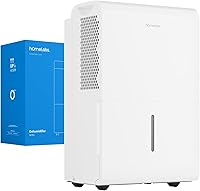
A portable model with a large coverage claim can be useful in a basement or broad living area. The AEOCKY is rated for 80 pints per day and states coverage up to 5,500 square feet, but the room layout still determines whether that area is reachable.
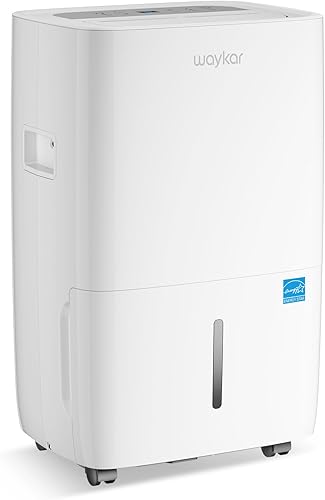
A second portable option is the Waykar, which states up to 5,000 square feet of coverage and includes a gravity drain hose. Its 90-degree auto swing helps distribute airflow in the room, but it does not replace ducts between separate rooms.
For systems intended to serve multiple rooms through central air, compare whole-house dehumidifiers and confirm how each system connects to your home's ductwork.
How do installation and placement differ?
A portable dehumidifier is simpler to place; a whole-house model needs a suitable HVAC, drain and electrical setup. The right choice depends on whether you want to move the appliance or leave moisture control integrated with the home.
A portable unit needs a stable spot with room for airflow, a power outlet and either access to its tank or a drainage route. It may take up floor space and can be inconvenient if the damp area is far from a drain.
A whole-house system is typically installed near HVAC equipment or connected to ductwork. Installation may involve duct connections, condensate drainage and controls, so the home's configuration affects labor and system choice.
Where should a portable dehumidifier sit?
Place a portable unit near the strongest moisture problem, with its air intake and outlet unobstructed. A basement corner, laundry area or room with recurring condensation may be a more useful location than a central hallway.
Keep it away from walls, curtains and stored items according to its manual. If the machine uses a tank, leave room to remove it without spilling water.
A drain hose can reduce tank-emptying chores, but only if gravity can carry water to an appropriate drain or the model has a pump. See the dehumidifier with pump vs no pump comparison to understand the difference in drainage setup.
What does whole-house installation involve?
A whole-house system needs a plan for air movement, collected water and controls before installation. Ask how it will serve rooms that have limited airflow or doors that are often closed.
The installer should review duct layout, system capacity, drain access and how humidity will be sensed. Do not assume that connecting a dehumidifier to the central system automatically solves dampness in a disconnected room or crawlspace.
Drainage can be a deciding factor. Some systems use gravity drainage, while a pump can move condensate when the drain is higher or farther away; compare whole-house dehumidifiers with a pump if your planned drain route needs that option.
Which is easier to maintain?
Portable units need regular tank checks or hose inspection; whole-house systems need periodic filter and drain care. Either choice works best when its basic maintenance fits your routine.
With a tank, you need to empty it when full and return it correctly. A full-tank alert can help, but it doesn't remove the task.
For continuous drainage, check the hose for kinks, leaks and a clear path. If you are setting up a portable unit with pump drainage, follow the steps in how to use a Hisense dehumidifier with a pump; the exact controls vary by model.
Whole-house maintenance may include cleaning or replacing filters and checking the condensate drain, based on the owner's manual. A technician may also need to inspect HVAC connections as part of routine system care.
If the unit runs but water collection stops, first check humidity, temperature, settings, filter condition and drainage. The troubleshooting guide explains why a dehumidifier may not be collecting water.
Which option makes sense for your home?
Choose portable for one problem room or flexible use, and consider whole-house equipment when dampness spans connected living areas. A room-by-room humidity check can show whether the broader system is worth discussing.
A portable dehumidifier is a practical starting point when one basement, bedroom or laundry room is the main concern. You can direct it where needed, and models with continuous drainage can reduce daily handling.
A whole-house system may make more sense when multiple rooms need consistent control and your HVAC layout can circulate treated air through them. It also avoids moving a heavy appliance between rooms, though installation and system planning add complexity.
A “whole house” label on a portable model should be read as an area claim, not as proof of even control in every enclosed room. Compare the floor plan, doors, airflow and actual humidity readings before deciding.
When should you choose portable?
Choose portable when the moisture problem is concentrated, seasonal or likely to move. It is also a better fit if you want to avoid modifying HVAC equipment.
A portable model lets you test one location and move the appliance if the dampest room changes. That flexibility can help in a basement used for storage during one season and laundry during another.
The tradeoff is attention: you may need to empty a tank, monitor a hose, and accept that other rooms receive less treatment. If those chores are manageable, portable placement can be enough.
When should you consider whole-house?
Consider whole-house equipment when several rooms need ongoing humidity control and your home has a suitable HVAC path. It is most useful when the system can reach the areas where moisture is a recurring issue.
Before buying, ask an HVAC professional whether your duct arrangement can serve the affected rooms and where condensate will drain. If comparing brands, review Honeywell whole-house dehumidifiers and AprilAire whole-house dehumidifiers against the installation needs of your home.
A whole-house unit may not solve a moisture source such as a plumbing leak, foundation seepage or poor ventilation. Address the source as well as the humidity level.
Which should you choose: whole house or portable?
Pick portable for one accessible room and whole-house for a connected home with repeated moisture across several rooms. Let the moisture pattern and installation conditions decide, not a large coverage number alone.
Measure humidity in the rooms that worry you, note when it rises, and check whether air can move between those rooms. That check gives a clearer picture than a general sense of dampness.
Place one hygrometer where the problem shows up most and another in a room farther away. Run both for several days without changing your normal habits.
Note when readings climb, whether doors were open, and whether a shower, laundry, or weather change was happening at the same time. Keep the notes simple, since the pattern matters more than a single reading.
If the damp room improves while the distant room stays high, air movement is the limit. That result points toward a fixed system or toward treating each room on its own, rather than asking one portable unit to do both jobs.
If both rooms move together in an open layout, a portable unit may be enough for now. Keep checking after the season changes, since a layout that works in dry weather may struggle when humidity stays high for weeks.
Also think about how easy the damp room is to reach for daily care. A unit in a room you use often is easier to empty, check, and move than one in a storage area you rarely enter.
If your home needs a fixed system, compare models and drain options in the whole-house dehumidifier guide. If the problem is limited to one room, choose a portable unit with a drainage method you can maintain.
For a fixed system, give drainage the same attention as capacity. Ask where condensate will go, whether gravity can carry it, and what will happen if the line blocks.
Look at how each whole-house model connects to your ductwork before you compare features. A system that cannot reach a closed office or basement room will not fix dampness there, even if it treats the main living area well.
If the problem is limited to a room, a hose that needs a drain you do not have nearby may be less practical than a tank you can empty on your regular route. Match the drainage method to the space you can actually use.
Think about the seasons ahead as well. A unit that handles a short humid spell may need more frequent attention when damp weather lasts longer.
A whole-house system can be worth the added planning when moisture affects several rooms on a regular basis. It can treat connected spaces without moving an appliance, as long as the HVAC layout supports that flow.
A portable unit remains the more flexible starting point when the pattern is still unclear. You can move it, test a different room, and learn whether the problem follows a season, a source, or a layout issue.
Either way, address the source of moisture along with the humidity level. A leak or poor ventilation will keep returning water to the air until that underlying issue is fixed.
Let the readings guide the final call. When one room dominates, portable placement is often enough, and when several connected rooms stay damp, a fixed system deserves a closer look.
Frequently asked questions
Can a portable dehumidifier do a whole house?
A portable dehumidifier may help in an open-plan home if air can move between connected spaces, but it won't treat closed rooms evenly. Place it where dampness is strongest, keep interior doors open when practical, and check humidity in distant rooms before assuming one unit covers the home.
Is a portable whole house dehumidifier a real thing?
A portable unit may advertise coverage across a large area, but it remains a movable room appliance. A true whole-house setup is usually installed in the HVAC system or ductwork, where it can serve connected rooms according to the system design.
Does a whole-house dehumidifier need a drain?
Most whole-house systems need a planned route for collected water, while portable units can use a tank or continuous hose depending on the model. Check the installation instructions and the exact drainage method before choosing a location.
Which costs less to install, whole-house or portable?
Portable units generally avoid HVAC installation because you plug them in and place them in a room, though drainage and moving the unit still take effort. Whole-house systems may require professional installation and duct or drain work, so get a quote based on your home's layout.
Can I use a portable dehumidifier in several rooms?
Yes, you can move a portable dehumidifier between rooms, but it treats the area where it is operating. Repeatedly moving it means the previous room may become damp again, so compare that routine with a fixed system if several rooms need ongoing control.