Dehumidifier with Pump vs No Pump: Which Should You Choose? (November 2026)
Choose a dehumidifier with a pump when water must drain upward; choose a no-pump model when gravity can carry water to a floor drain. The right setup depends on where the unit sits and how much manual tank emptying you can manage.
On this page (8 sections)
- Dehumidifier with pump vs no pump: which should you choose?
- What changes in daily use?
- Which setup is easier to install?
- How do pump and no-pump models compare for a large room?
- What should you check before choosing?
- Can a pump replace fixing a drainage problem?
- Does a dehumidifier remove heat like an air conditioner?
- Which should you choose: pump or no pump?
Choose a dehumidifier with a pump when water needs to move upward; choose a no-pump model when a lower drain can take water by gravity. In a dehumidifier with pump vs no pump comparison, the drain location and your tolerance for emptying a tank matter most.
A pump can send water uphill through a hose, which helps when the unit has to sit below a sink or drain. This suits a basement or utility area where the floor is the only practical place for the unit and the outlet sits higher up.
A no-pump dehumidifier can still offer continuous drainage if its hose runs downhill to a lower drain. That setup works best when the slope stays clear all the way to the outlet and the hose does not need to be lifted at any point.
Both types collect moisture from indoor air and then need a reliable way to remove that water. Your choice is about removing that water reliably, keeping the hose route practical and deciding how often you want to handle a tank.
Think about how the hose will be checked each day. A route that is easy to inspect and hard to knock loose will suit most homes better than a longer route that needs constant attention.


Dehumidifier with pump vs no pump: which should you choose?
Choose a pump model if the drain is above the dehumidifier; choose gravity drainage or a tank if water can flow downhill. The pump's main value is control over where collected water goes.
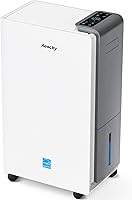
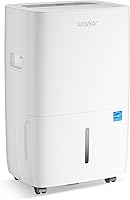
The yaufey 150 Pint Dehumidifier with Pump supports pump, gravity and tank drainage, and its pump hose can drain up to 16.4 ft vertically. The hOmeLabs Dehumidifier also has a built-in pump and supports continuous drainage.
A no-pump dehumidifier may still have a drain hose connection. It just needs gravity to carry water, so the outlet must be positioned above the drain and the hose should not rise along its route.
When is a dehumidifier with a pump worth it?
A pump is worth considering when the only practical drain is higher than the dehumidifier, such as a utility sink or a drain reached by a raised hose route. It can also help when you want to direct water to a location that gravity alone can't reach.
Plan the full hose path before choosing. Measure the vertical rise, distance, bends and clearance around the unit, then confirm the model's pump limits and setup instructions.
The best dehumidifier with built-in pump options can help you compare models with integrated pumps. If you need to add a separate pump, see our guide to the best dehumidifier drain pump.
When does a dehumidifier without a pump make sense?
A dehumidifier without a pump makes sense when you can place it near a floor drain or another lower outlet. Gravity drainage uses a hose without the extra pump mechanism, and a collection tank can work if you don't mind emptying it.
A floor drain is not automatically convenient. Check that the hose can keep a steady downward path and that the unit won't block access to the drain or create a tripping hazard.
If your unit relies on its tank, estimate how often you'll check and empty it during humid weather. A full-tank shutoff can stop operation until you empty the bucket, so missed checks may interrupt moisture removal.
What changes in daily use?
A pump can reduce manual emptying when the hose is set up properly; a tank-based unit needs regular attention. Either approach works only if you can keep the drainage path clear.
With pump drainage, check the hose for secure connections and make sure its outlet sits where water can leave safely. Keep the hose away from walkways, electrical equipment and places where a leak could damage belongings.
With gravity drainage, inspect the route for kinks, high points and loose connections. Water won't flow uphill, and a sagging hose can collect water instead of carrying it away.
With tank use, place the unit where you can remove and pour the bucket without moving furniture. Check the tank level often, especially after a change in humidity or when the dehumidifier is running continuously.
Does a pump dehumidifier need a tank?
A pump model may still include a tank for collection or backup use. A pump doesn't mean the bucket disappears from the setup.
The yaufey includes a 1.85-gallon tank and supports pump, gravity or tank drainage. The hOmeLabs has a 1.6-gallon tank and a built-in pump for continuous drainage.
Use the drainage method that suits the room, and follow the unit's manual when switching between modes. If the pump hose is disconnected, confirm whether the unit will collect water in the tank or stop with an alert.
Which setup is easier to install?
Gravity drainage is simpler when the drain is close and lower; pump drainage needs a hose route that reaches the drain within the pump's limits. Either setup needs a stable location and a safe path for water.
For a pump model, identify where the hose exits the unit and where it can discharge. Check vertical lift, total route length, bends and whether the destination can accept continuous water.
For gravity drainage, position the dehumidifier high enough for the hose to slope down toward the drain. Avoid running the hose across a doorway or where a foot, cart or storage bin could dislodge it.
If you plan to direct water to a sink, verify that the hose stays in place and cannot slip out. A hose that comes loose can spill water near flooring or stored items.
Can a pump hose drain upward?
Yes, a pump is designed to move water upward within the model's stated limits. The yaufey pump hose can drain up to 16.4 ft vertically, but that figure doesn't replace the setup instructions for the exact unit.
Measure the vertical rise from the dehumidifier to the hose outlet, not just the room's ceiling height. Keep the hose within the stated limit and check for any restrictions on total hose length or outlet placement.
Don't assume every pump dehumidifier can lift water the same distance. Confirm the pump's supported height before buying, especially if the drain is near a ceiling or on another level.
How do pump and no-pump models compare for a large room?
Choose by the moisture load and drainage plan together; a large coverage figure alone doesn't tell you which unit fits. Room conditions, temperature and humidity affect how much water a dehumidifier removes.
The yaufey is described for spaces up to 8,500 square feet and removes up to 150 pints per day under the stated 95°F, 90% RH condition. The hOmeLabs is described for up to 7,500 square feet, with up to 50 pints per day at 80°F, 60% RH and up to 120 pints under 95°F, 90% RH.
Those capacities use different stated conditions, so they aren't a direct apples-to-apples measure of typical performance. For a damp basement or large room, consider the room's humidity, temperature and the dehumidifier's drainage route together.
The yaufey may suit a larger moisture-control job where the drain is raised and you want multiple drainage choices. The hOmeLabs may suit a large space where Wi-Fi control and a built-in pump are useful.
What should you check before choosing?
Measure the drain height, hose path and floor space before deciding between pump and gravity drainage. A model that fits the room can still be awkward if you can't route its water safely.
Check these details:
- Drain height: Is the drain below or above where the dehumidifier will sit?
- Hose route: Can the hose reach without crossing a walkway or kinking?
- Pump limit: Does the model support the vertical lift you need?
- Tank access: Can you remove the bucket easily if you use tank mode?
- Power and placement: Can the unit sit near a suitable outlet without blocking airflow or access?
Also consider whether you want smart controls or a particular humidity range. The yaufey has adjustable humidity settings from 30% to 80%, while the hOmeLabs includes Wi-Fi control and Comfort, Turbo and Continuous modes.
If you're still deciding on overall size or features, our guide on which dehumidifier to buy walks through the main buying choices. For a quieter setup, compare the best quiet dehumidifier with pump options.
Can a pump replace fixing a drainage problem?
A pump can route water to a suitable drain, but it doesn't fix a blocked drain, unsafe hose route or leak. Check the destination and connection before relying on continuous drainage.
If water pools around the unit, turn it off and inspect the tank, hose and connection points. Confirm that the hose is secure and the drain is open before restarting.
A full or misplaced tank can also interrupt operation even when the unit has a pump. For setup steps specific to one brand, see how to use a Hisense dehumidifier with a pump.
If the unit isn't collecting water, first check whether room humidity and temperature are within its operating range, then review its settings and filter. Our guide explains why a dehumidifier may not be collecting water.
Does a dehumidifier remove heat like an air conditioner?
A dehumidifier removes moisture, while an air conditioner cools indoor air as it runs. Choose based on whether humidity or room temperature is the main issue.
A pump affects where the water goes after collection. It does not change the basic job of the dehumidifier or turn it into a cooling system.
A dehumidifier lowers moisture by drawing moist air over a cold surface so water condenses and collects. Dryer air can feel less muggy even when the room temperature stays about the same.
An air conditioner has a different main job because it cools the air as it runs. It also removes some moisture as a side effect, but cooling is the primary reason most people use it.
That difference matters in a warm room in summer. If the air feels hot and sticky, reducing humidity alone may not make the space feel cool enough.
It also matters in a cool basement in spring or autumn. The air may feel damp and musty even though the temperature is already low, so a dehumidifier may fit the problem better.
Consider the comfort issue you notice most. Damp walls, condensation, musty smells and clammy air point toward moisture control, while high room temperature points toward cooling.
Some homes need both tools at different times of year. A dehumidifier may be the main tool in a damp basement, and cooling may take priority in a hot bedroom during a heatwave.
If warm, humid air is the main concern, compare your options in our dehumidifier vs air conditioner guide.
Set a realistic goal before you choose either option. Match the main task to the main problem in the room, rather than expecting one device to do every job.
Check the room at different times of day before deciding. Humidity often feels worse after showers, laundry or cooking, while heat can build through the afternoon and linger into the evening.
Which should you choose: pump or no pump?
Pick a pump if the drain sits above the unit or you want water routed uphill; pick gravity drainage or a tank if you have a lower drain or can empty the bucket. Let the drain you actually have guide your decision.
Choose the yaufey if you need pump, gravity and tank options, with a pump hose rated to drain up to 16.4 ft vertically. It also includes a 1.85-gallon tank and a 3.28 ft gravity hose, so you can match the method to the room.
This yaufey suits a home where the drain location may change, such as a basement that can use a floor drain now and a raised outlet later. The wide 30% to 80% humidity range also suits people who want to set a lower target for a damp space or a higher target for general comfort.
Choose the hOmeLabs if its built-in pump, Wi-Fi control and continuous drainage suit your room and routine. It has a 1.6-gallon tank for periods when you would rather collect water and empty it by hand.
This hOmeLabs suits a large room where you want to adjust settings from your phone and keep an eye on the humidity readout. Comfort, Turbo and Continuous modes give you a simple way to match the setting to normal days, heavy moisture or steady running.
For either model, check the exact manual for hose setup and pump limits. The drain height and the route to it should guide your decision more than the word pump alone.
Before you commit, walk the hose route in your mind and note every bend, doorway and storage area it must pass. A clear route that stays out of walkways will be easier to keep secure and easier to check for leaks.
Think about care as well as setup, because the filter and tank still need attention even with continuous drainage. A washable filter is simpler when you can rinse it on a regular schedule and let it dry before you put it back.
Consider who will empty the tank if you use tank mode during busy weeks. If the unit sits in a spare room, a full-tank shutoff can stop drying until someone checks it.
Frequently asked questions
What is the difference between a dehumidifier with a pump and one without?
A pump can push collected water through a hose to a higher drain or another location, while a no-pump unit relies on a tank or gravity drainage. That makes the pump useful when the drain sits above the dehumidifier.
If a floor drain is lower than the unit, gravity drainage may be enough.
Can you use a dehumidifier without a pump with a drain hose?
Many no-pump dehumidifiers allow continuous gravity drainage, but the hose outlet must sit higher than the drain so water can flow downhill. Check the exact model's instructions for hose size, outlet placement and setup.
If the drain is raised, a pump may be needed.
Does a dehumidifier pump mean you never empty the tank?
A pump can reduce tank emptying when the hose is connected correctly and drains to a suitable location. The tank remains useful if you want to move the unit or if the hose setup isn't in use.
Follow the manual's directions for the pump and full-tank alert.
Is a pump dehumidifier worth it in a basement?
A pump is useful in a basement when the dehumidifier must send water up to a sink, window or other raised drain. If there's a floor drain below the unit, gravity drainage may work without a pump.
Measure the height and hose route before choosing.