
How Does a Hygrometer Measure Humidity? A Placement Guide
A hygrometer measures humidity by sensing the amount of water vapor in the air. It uses a sensor that changes its electrical properties based on moisture levels. This allows you to know your home’s humidity levels, which is important for comfort and health. Knowing how your hygrometer works helps you get the most accurate readings. Knowing humidity levels is important for comfort and health, and weather station alarms can alert you to extremes.
Understanding humidity is key for your home’s environment. Too much or too little moisture can cause problems. A hygrometer helps you monitor this balance, preventing issues like mold or dry skin. We found that proper hygrometer placement is just as important as the device itself for accurate data.
- Hygrometers measure humidity by detecting water vapor.
- They use sensors that change with moisture levels.
- Knowing humidity helps prevent mold and dry air issues.
- Correct placement is vital for accurate readings.
Let’s walk through exactly how a hygrometer measures humidity and where you should put it for the best results.
“`htmlUnderstanding How Hygrometers Measure Humidity
A hygrometer measures humidity by using a sensor that reacts to the amount of water vapor present in the air. This sensor is the heart of the device. It converts the atmospheric moisture into a readable output, usually a percentage. Knowing this helps you keep your home’s air healthy and comfortable. We found that the technology behind these sensors can vary, but the basic principle remains the same.
The Science Behind Humidity Measurement
Humidity is simply the amount of water vapor in the air. You can’t see it, but it’s always there. A hygrometer’s job is to tell you just how much is present. Too much can lead to mold. Too little can make your skin feel dry and itchy. Many experts agree that maintaining indoor humidity between 30% and 50% is ideal for health and comfort (CDC). A hygrometer helps you hit that sweet spot.
Mechanical Hygrometers: The Classics
Older types of hygrometers often use mechanical methods. These typically rely on materials that expand or contract with changes in humidity. For example, a strand of human hair or a thin piece of animal gut can be used. As humidity increases, the material absorbs moisture and lengthens. As it dries out, it shrinks. This movement is then translated into a reading on a dial. We found that while simple, these can sometimes be less precise than digital models.
Digital Hygrometers: Modern Precision
Most hygrometers you’ll find today are digital. They use electronic sensors to measure humidity. A common type is a capacitive sensor. This sensor has two electrodes with a dielectric material in between. Water vapor in the air is absorbed by this material. This absorption changes the material’s electrical properties, specifically its capacitance. The hygrometer’s circuitry then measures this change and displays the humidity level as a number on a screen. We found these digital types to be very popular due to their clear readings and often higher accuracy.
What Affects Hygrometer Readings?
It’s not just about the device itself. Where you place your hygrometer matters a great deal. Think of it like a thermometer; putting it in direct sunlight will give you a false high reading. Similarly, a hygrometer needs to be in a spot that reflects the general humidity of the room. Factors like airflow, heat sources, and moisture-producing appliances can all influence what your hygrometer reads. We found that even small changes in location can lead to different numbers.
Strategic Hygrometer Placement for Accurate Readings
Getting an accurate humidity reading is all about where you put your hygrometer. You want it to represent the typical air conditions in your living space. Placing it incorrectly can give you misleading information. This could lead you to make unnecessary adjustments to your home’s environment. Let’s look at the best spots and the ones to avoid.
Ideal Locations for Your Hygrometer
For the most reliable data, you want to place your hygrometer in a central area of the room you’re monitoring. This allows it to get a good average reading of the air. Avoid placing it too close to windows or doors where drafts can occur. Also, keep it away from heating or cooling vents. These direct air currents can skew the humidity readings significantly. Many HVAC professionals suggest placing sensors away from direct airflow.
Living Areas and Bedrooms
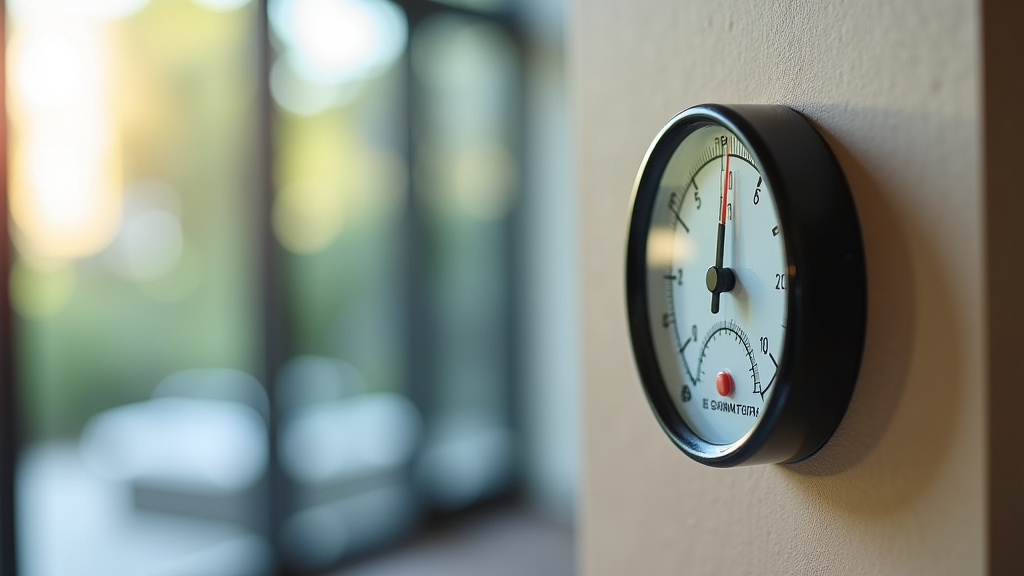
These are often the rooms where you spend the most time. Monitoring humidity here is key for comfort and health. A good spot is on an interior wall, about 3 to 5 feet off the floor. This height generally reflects the air you breathe. Avoid placing it directly on a shelf next to books, as they can absorb or release moisture, affecting the reading. We found that a small stand or a wall mount is often best for these rooms.
Kitchens and Bathrooms: Use with Caution
These rooms naturally have higher humidity levels due to cooking and showering. If you’re using a hygrometer to monitor these specific areas, be aware of the typical fluctuations. For instance, a hygrometer in a bathroom should be placed away from the immediate shower spray. A good spot might be on a shelf across the room, not right next to the sink or tub. In the kitchen, avoid placing it directly over the stove or dishwasher. We found that portable hygrometers are useful here, as you can move them to get readings before and after activities.
Locations to AVOID Placing Your Hygrometer
Just as important as knowing where to put your hygrometer is knowing where *not* to put it. Certain areas can give you wildly inaccurate results. These are spots where conditions are not representative of your home’s general climate. Making sure you avoid these will save you a lot of confusion.
Direct Sunlight and Heat Sources
Never place your hygrometer in direct sunlight. Sunlight heats the device and its sensor, leading to inaccurate readings. Similarly, keep it away from radiators, fireplaces, or heat-generating appliances like computers or TVs. These heat sources dry out the air immediately around them. This will make your hygrometer report lower humidity than what actually exists elsewhere in the room. Many experts advise keeping humidity sensors away from any heat source.
Drafty Areas and Vents
As mentioned, drafts from windows and doors can cause rapid changes in temperature and humidity. Your hygrometer will react to these drafts, giving you readings that aren’t typical for the room. Likewise, placing it too close to an air conditioning or heating vent will expose it to constantly moving, conditioned air. This air might be significantly drier or more humid than the rest of the room. You want a steady environment for your sensor.
Areas with Stagnant Air or Obstructions
On the flip side, avoid placing your hygrometer in a corner or behind furniture where air doesn’t circulate well. Stagnant air can become overly humid or dry depending on what’s happening in the room. Also, don’t place it directly next to items that absorb moisture, like plants or textiles, unless you are specifically trying to measure humidity in that micro-environment. For general room humidity, good air circulation around the sensor is key.
Tips for Optimal Hygrometer Use
To ensure you’re getting the best performance from your hygrometer, a few extra tips can help. Calibration is sometimes necessary for the most accurate readings. Check your device’s manual for instructions. For digital hygrometers, ensure the batteries are fresh. Low batteries can sometimes affect sensor performance.
Consider using more than one hygrometer if you have a larger home or are concerned about specific areas. You might want one for your main living space and another for a basement or bedroom. This gives you a more complete picture of your home’s humidity. We found that comparing readings from different locations can also help you understand your home’s unique climate patterns.
Placement Checklist
- Place in the center of the room you wish to monitor.
- Position 3-5 feet from the floor on an interior wall.
- Keep away from direct sunlight and heat sources.
- Avoid proximity to windows, doors, and vents.
- Ensure good air circulation around the device.
- Check the manual for calibration and battery needs.
| Area | Ideal Placement | Avoid Placement |
|---|---|---|
| Living Room | Interior wall, ~4ft high, away from electronics | Near fireplace, drafty windows, directly on speaker |
| Bedroom | Nightstand or dresser, away from windows/vents | Directly on a cold wall, near air conditioner unit |
| Kitchen | Countertop away from stove/sink, good air flow | Above stove, near dishwasher vent, inside cabinet |
| Basement | Open area, away from damp walls or dehumidifier output | In a corner, directly on floor, behind stored items |
Conclusion
You’ve learned how your hygrometer works, from mechanical sensors to digital precision. You also now know that placement is key to getting accurate humidity readings in your home. By understanding the science and following smart placement tips, you can ensure your hygrometer is a reliable tool. This helps you create a more comfortable and healthier living environment. Take a moment to review your current hygrometer’s location. Make any necessary adjustments to get the most out of your device.
Frequently Asked Questions
How often should I calibrate my hygrometer?
Calibration needs vary by hygrometer type and manufacturer. We found that most digital hygrometers rarely need calibration. Some mechanical models might benefit from checking yearly. Always refer to your hygrometer’s manual for specific calibration instructions.
Can a hygrometer be too close to a humidifier or dehumidifier?
Yes, placing your hygrometer too close to a humidifier or dehumidifier will give you inaccurate readings. It will show the extreme humidity output of the device, not the general room humidity. We recommend placing it at least 5-10 feet away from these appliances.
What is the ideal humidity level for a home?
Most experts and health organizations suggest maintaining indoor humidity between 30% and 50%. This range is generally considered best for comfort and health. It also helps prevent issues like mold growth and static electricity.
Does room temperature affect hygrometer readings?
While humidity is what the hygrometer measures, temperature can influence how it’s displayed. Some hygrometers are also thermometers and account for temperature. Extreme temperatures, however, can affect sensor accuracy. We found that placing your hygrometer away from direct heat or cold sources is best.
My hygrometer reading is very low, what could be wrong?
A low reading could mean your air is genuinely dry. It could also mean the hygrometer is too close to a heat source, a vent blowing dry air, or it needs recalibration. If you suspect the reading, try moving the hygrometer to a different, central location in the room and observe.