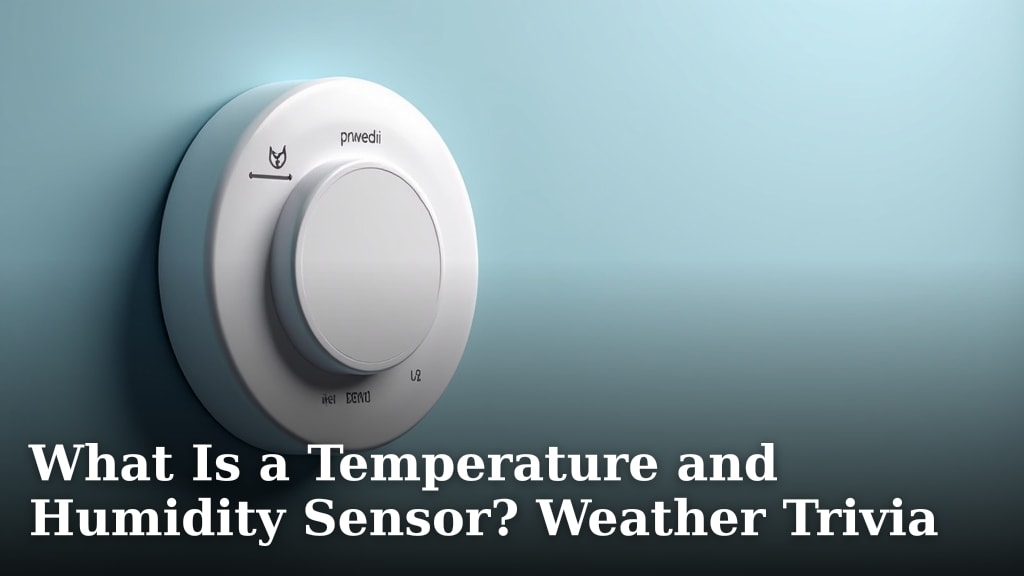
What Is a Temperature and Humidity Sensor? Weather Trivia
A temperature and humidity sensor is a device that measures the air’s warmth and moisture content. It’s essentially your home’s tiny weather station. These sensors help you monitor indoor conditions for comfort and health.
Understanding temperature and humidity is key for many reasons. It impacts everything from your personal comfort to preventing mold growth. Knowing these levels can help you make smart adjustments to your living space.
- What it is: A device measuring heat and moisture.
- Why use it: For comfort, health, and preventing issues like mold.
- Where they’re used: Homes, greenhouses, storage areas.
- What they do: Provide data to help you manage your environment.
Below, we’ll break down exactly what a temperature and humidity sensor does and why it matters for your home.
Understanding Your Home’s Temperature and Humidity Levels
So, what exactly is a temperature and humidity sensor? Think of it as your home’s very own tiny weather station. It’s a smart little device designed to measure two key elements in your environment: how warm or cold the air is and how much moisture it holds. This information is super useful for keeping your home comfortable and healthy. You might have seen them as part of smart thermostats, separate digital displays, or even built into other home devices. They are the silent guardians of your indoor climate, working behind the scenes to give you a clear picture of what’s going on. This information is super useful for keeping your home comfortable and healthy. You can set weather station alarms to alert you to specific conditions.
The Core Function: Measuring Heat and Moisture
At its heart, a temperature sensor works by detecting the amount of heat energy present in its surroundings. It then translates this energy into a readable temperature value, like degrees Fahrenheit or Celsius. Humidity sensors, on the other hand, measure the amount of water vapor in the air. This is often expressed as relative humidity, which is the percentage of water vapor present in the air compared to the maximum amount it could hold at that specific temperature. Both are important because they affect how we feel and the condition of our homes.
How Do These Sensors Actually Work?
There are a few common technologies that make these sensors tick. For temperature, many use materials that change their electrical resistance or voltage based on heat. For example, a thermistor is a type of resistor whose resistance changes significantly with temperature. As it gets warmer, its resistance might decrease, or vice-versa. This change is then measured and converted into a temperature reading.
Humidity sensors often use materials that absorb moisture from the air. When these materials absorb water vapor, their physical or electrical properties change. For instance, some sensors use a thin polymer or salt film that changes its electrical capacitance or resistance as it absorbs or releases moisture. The sensor electronics measure these changes and calculate the relative humidity percentage. It’s quite clever how a simple material can tell us so much about the air.
Why Monitoring Temperature and Humidity Matters for Your Home
You might be wondering, “Why should I care about the exact temperature and humidity in my house?” Well, these two factors play a much bigger role than you might think. They directly impact your comfort, your health, and even the longevity of your home and belongings. Let’s break down why keeping an eye on these readings is a smart move.
Improving Your Personal Comfort
Temperature is the most obvious comfort factor. We all know how uncomfortable it is to be too hot or too cold. But humidity plays a surprisingly large part too! When the air is very humid, sweat doesn’t evaporate from your skin as easily, making you feel hotter and stickier than the actual temperature might suggest. Conversely, very dry air can make your skin feel tight and your throat scratchy, even if the temperature feels okay. A sensor helps you find that sweet spot where you feel just right.
For example, many people find a comfortable indoor temperature range to be between 68°F and 72°F (20°C to 22°C). But research suggests that maintaining a relative humidity level between 30% and 50% is ideal for comfort (CDC). Too high, and it feels muggy; too low, and it can lead to static electricity and dry sinuses. A sensor allows you to fine-tune your heating, cooling, and humidification or dehumidification systems to achieve this balance.
Protecting Your Health and Well-being
Indoor air quality is a big health concern, and humidity is a major player. High humidity levels, especially above 60%, can create a breeding ground for mold and dust mites. These can trigger allergies, asthma, and other respiratory problems. Studies from organizations like the Environmental Protection Agency (EPA) consistently highlight the link between indoor moisture and poor air quality. Keeping humidity in check is a key step in preventing these issues.
On the flip side, excessively dry air can also cause health problems. It can dry out your mucous membranes, making you more susceptible to colds and other infections. Dry air can also worsen conditions like eczema and dry eyes. Maintaining a moderate humidity level supports healthier respiratory function and skin hydration. So, monitoring these levels isn’t just about comfort; it’s about creating a healthier living environment for you and your family.
Preserving Your Home and Belongings
Humidity doesn’t just affect people; it affects your house too! High humidity can lead to damage to your home’s structure. It can cause paint to peel, wallpaper to bubble, and wood to warp or rot. It can also encourage mold growth within walls, attics, and basements, leading to costly repairs. This is why keeping an eye on humidity is essential, especially in areas prone to moisture, like bathrooms and kitchens.
Your belongings can also suffer. Wooden furniture can warp or crack in extremely dry or humid conditions. Musical instruments, especially wooden ones like guitars and pianos, are particularly sensitive to humidity changes. Books and artwork can also be damaged by excessive moisture or dryness. Even electronics can be affected by extreme humidity. A sensor helps you protect these investments by maintaining stable conditions.
Where Are Temperature and Humidity Sensors Used?
These handy devices aren’t just for fancy smart homes. They’ve found their way into all sorts of places where controlling the environment is important. You’ll see them in action in many different scenarios.
Home Environment Monitoring
This is perhaps the most common use. You’ll find them integrated into smart thermostats to help regulate heating and cooling more efficiently. Many people also use standalone digital hygrometers (which measure humidity) and thermometers to get precise readings in specific rooms, like nurseries, wine cellars, or basements. This allows for targeted adjustments to maintain optimal conditions without having to guess.
Gardening and Greenhouses
For plant lovers, controlling the environment is key to success. Temperature and humidity sensors are vital in greenhouses and indoor gardening setups. Plants have specific needs for temperature and humidity to thrive. Too hot or too cold, too dry or too humid, and your plants can suffer. Sensors help growers maintain the perfect microclimate for everything from delicate orchids to robust vegetables.
Food and Beverage Storage
Proper storage conditions are crucial for preserving food, wine, and other sensitive items. Think about your pantry, refrigerator, or wine cellar. Fluctuations in temperature and humidity can spoil food faster or affect the taste and aging process of wine. Sensors can alert you if conditions are deviating from the ideal, helping you prevent waste and maintain quality. This is also important for storing things like cigars, art supplies, or even sensitive electronic components.
Industrial and Scientific Applications
Beyond the home, these sensors have critical roles in various industries. They are used in warehouses for storing sensitive goods, in pharmaceutical manufacturing to ensure product integrity, and in museums to protect delicate artifacts from environmental damage. Scientific research labs also rely heavily on precise temperature and humidity control for experiments. The data collected helps ensure the accuracy and reliability of processes and outcomes.
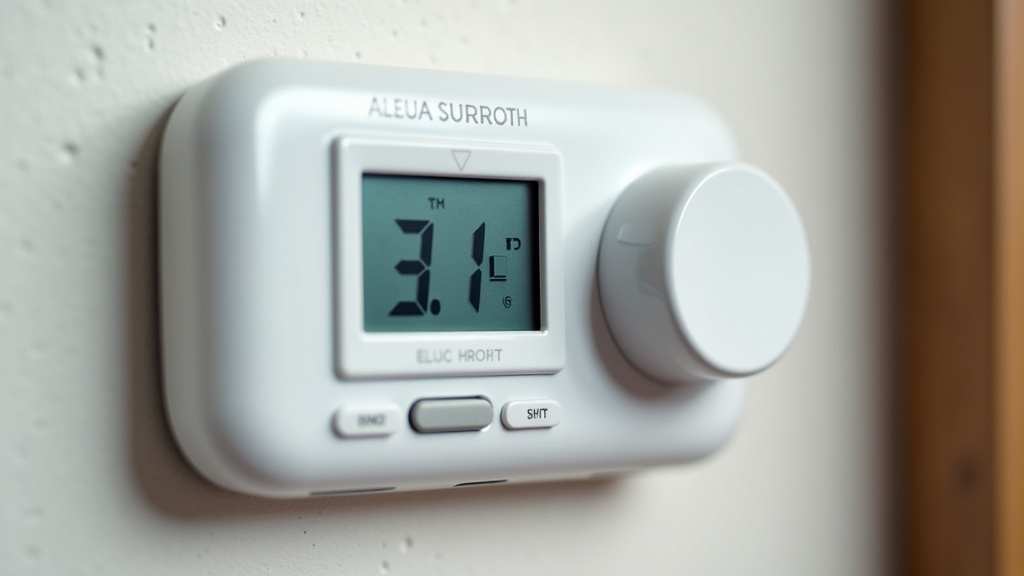
A Quick Checklist for Your Home’s Climate
Ready to take control of your indoor environment? Here’s a quick checklist to get you started. Keeping these simple points in mind can make a big difference in your home’s comfort and health:
- Consider getting a standalone sensor for rooms that feel different (e.g., basement, nursery).
- Check your smart thermostat settings for temperature and humidity preferences.
- Aim for a relative humidity level between 30% and 50% year-round.
- Ensure good ventilation, especially in bathrooms and kitchens, to manage moisture.
- Address any signs of excessive condensation or dampness promptly.
- Keep plants healthy and well-watered, but don’t overwater, which can increase humidity.
Conclusion
You’ve learned that a temperature and humidity sensor is a small but mighty tool for understanding your home’s climate. It measures heat and moisture, helping you improve personal comfort, protect your health, and preserve your belongings. From smart thermostats to standalone devices, these sensors provide the data you need. Now, take a moment to check the readings in a few key areas of your home. Making small adjustments based on this information can lead to a more comfortable and healthier living space for you and your family.
Frequently Asked Questions
How often should I check my home’s temperature and humidity levels?
You don’t need to constantly monitor them. Checking your sensor’s readings once a week is usually sufficient for most homes. If you notice specific issues like condensation or extreme discomfort, check more frequently until the problem is resolved.
Can a temperature and humidity sensor help save money on energy bills?
Yes, they can! By understanding your home’s actual conditions, you can set your thermostat more accurately. This prevents over-conditioning your home, which can lead to unnecessary energy use and higher bills.
What’s the ideal humidity level for a baby’s nursery?
For a baby’s nursery, it’s generally recommended to maintain a relative humidity level between 40% and 60%. This range helps prevent dry skin and respiratory irritation for infants, while also discouraging mold growth.
Do I need a separate sensor for every room?
Not necessarily, but it can be helpful. A smart thermostat often covers the main living areas. For rooms like basements, attics, or nurseries where conditions can vary significantly, a standalone sensor provides more precise readings.
What happens if my home’s humidity is too high or too low?
If humidity is too high (above 60%), you risk mold growth and dust mite proliferation, which can harm your health and home. If it’s too low (below 30%), you might experience dry skin, scratchy throats, and static electricity. Sensors help you avoid these extremes.