How to Use a Dehumidifier Drain Hose
To use a dehumidifier drain hose, match it to the outlet and route it downhill to a suitable drain. Secure both ends, keep the hose open and unkinked, and check the unit manual before setup.
On this page (9 sections)
- How do you set up a dehumidifier drain hose?
- Where should the hose end?
- How do you choose a hose and connector?
- Which dehumidifier setup fits your room?
- How do you keep the hose draining?
- What common mistakes stop continuous drainage?
- How do you check the setup for leaks?
- How should you care for the hose?
- Which drainage option should you choose?
To use a dehumidifier drain hose, match it to the unit's outlet and route it downhill to a suitable drain. Secure the connection, keep the hose open and unkinked, and check the setup for leaks before leaving the appliance to run.
A drain hose saves you from emptying a bucket, but the right setup depends on the outlet height and the unit's drainage design. Start with our guide to which dehumidifier to buy if you're still choosing a unit.
How do you set up a dehumidifier drain hose?
Check the manual, connect a compatible hose, and give it a clear downhill path before starting the unit. Outlet shapes and connection methods vary, so don't force a hose or connector that doesn't fit.
- Switch off and unplug the dehumidifier.
- Find the drain outlet and remove its cap or plug as directed.
- Attach the hose and secure it using the method specified for the unit.
- Route the hose to an approved drain with a steady downward slope.
- Check for pinches, kinks, blockages, and submerged hose ends.
- Start the unit and inspect the connection and drain for leaks or pooling.
Keep the unit upright and stable. Place the drain end where water can flow away without wetting electrical outlets, damaging belongings, or creating a trip hazard.
Where should the hose end?
Place the hose over a drain that can accept the water, and secure it so it stays put. A floor drain is often convenient; a sink or another outlet may work if the manual allows it.
Don't leave the end loose where it can slip out and wet the floor. Keep its opening clear, and don't push it into the drain so far that water cannot escape freely.
Check the area after the first few minutes of operation. If water backs up, spills, or pools, turn off the unit and correct the hose position or route.
Can a dehumidifier drain hose run uphill?
A gravity hose needs to run downhill; it can't reliably carry water uphill. If the drain is above the outlet, use a lower drain or consider a model with a pump that supports your intended route.
The hOmeLabs Dehumidifier with a built-in pump supports continuous drainage. Follow the pump instructions for the route and outlet position.
Read the manual for the permitted hose routing and outlet position. For model-specific steps, see the Hisense pump setup guide.
A pump-assisted unit still needs a compatible hose and a route that follows its instructions.
How do you choose a hose and connector?
Choose a hose and connector that match the unit's drain outlet and the route to your drain. Check the manual for the required fitting and size before buying parts.
Measure the distance and height difference from the outlet to the drain. For gravity drainage, plan a route that stays downhill for its full length, with enough hose to reach but not so much that extra slack forms low spots or gets pinched.
A loose connection can leak, while an incompatible fitting may not seal or stay attached. If your model needs a threaded connection or adapter, choose one made to fit it instead of forcing a different part.
For model-specific guidance, see choosing a Frigidaire dehumidifier drain hose, choosing a Midea dehumidifier drain hose, and choosing a Hisense dehumidifier drain hose. You can also compare dehumidifier drain hose adapters and connectors and continuous drain hoses for dehumidifiers.
Which dehumidifier setup fits your room?
Choose a hose outlet for a drain you can reach downhill, or a built-in pump when the unit supports the higher route you need. If you want to compare hose-equipped options, start with dehumidifiers with a drain hose.
The hOmeLabs Dehumidifier with a built-in pump removes up to 50 pints per day at 80°F and 60% RH, and covers spaces up to 7,500 sq ft. It also has Wi-Fi control.
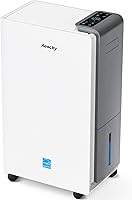
The hOmeLabs Dehumidifier covers spaces up to 7,000 sq ft and removes up to 50 pints per day at 80°F and 60% RH. Its hose outlet supports continuous drainage, but a hose is not included.
Compare small dehumidifiers with a drain hose if the room is limited, or quiet dehumidifiers with a drain hose if sound matters. For larger spaces, browse 50 pint dehumidifiers with drain hoses.
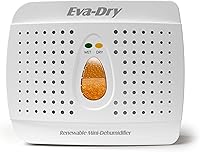
The Eva-Dry Wireless Mini Dehumidifier is a cordless moisture absorber for small spaces such as closets, cabinets, cars, or boats. It has no hose outlet, so skip it if you need continuous drainage.
How do you keep the hose draining?
Keep the hose short enough to avoid extra loops, open at both ends, and free of kinks. A raised section, tight bend, clog, or crushed section can slow or stop gravity flow.
Arrange the hose so furniture, storage boxes, or the unit itself can't pinch it. Don't coil spare length on the floor, where a loop can trap water.
Inspect the hose and connection periodically, especially after moving the dehumidifier. Restore the downhill route if it shifts, and confirm water still reaches the drain.
What common mistakes stop continuous drainage?
Most drainage problems come from a poor fit, a blocked route, or a hose end that isn't positioned correctly. Check those points before replacing the hose or changing the unit.
Avoid these common mistakes:
- Forcing a mismatched hose: use a fitting that suits the outlet and the manual's instructions.
- Routing uphill: gravity drainage needs a lower destination; choose a pump setup if the manual supports your route.
- Leaving slack in loops: extra bends and raised spots can interrupt flow.
- Blocking the hose end: keep it open and clear of debris.
- Assuming every outlet works the same way: follow the specific continuous-drain steps for your model.
- Skipping a leak check: a small leak can wet the floor before you notice it.
Switch off and unplug the unit before checking the outlet or hose. If the bucket keeps filling, reseat the connection, clear the route, and check the manual for model-specific drainage requirements.
See why a dehumidifier won't drain through a hose for more troubleshooting. For a model-specific example, read how to set up continuous drainage on a Frigidaire dehumidifier.
How do you check the setup for leaks?
Run the unit briefly and inspect the connection, hose, and drain while water begins to flow. Confirm that the route carries water to the drain and that the bucket isn't filling unexpectedly.
Keep the floor around the appliance dry during this check. If you see a leak, turn the unit off, unplug it, then reseat or reroute the hose according to the manual.
Repeat the check after moving the dehumidifier or changing the hose route. A hose can shift behind furniture or become pinched when the appliance moves.
How should you care for the hose?
Inspect the hose for clogs, kinks, loose connections, and wear as part of routine upkeep. A clean, open route is easier to check and less likely to leave water standing around the unit.
Follow the manual for cleaning and any limits on hose length or routing. Disconnect the hose with the unit switched off and unplugged, then clear debris only in a way that won't damage the fitting.
If you store the unit between humid seasons, empty and dry the bucket as directed and keep the hose clean and dry. Recheck the connection and slope when you set it up again.
Which drainage option should you choose?
Pick gravity drainage if you can route a compatible hose continuously downhill to a safe drain. Choose a pump-equipped model if your drain is higher and the unit's manual permits that arrangement; choose a cordless moisture absorber only for small spaces where a hose isn't needed.
For a large room and a higher drain, the hOmeLabs model with a built-in pump offers a pump-based continuous-drain setup. For a lower drain, the hOmeLabs model with a hose outlet can suit you if you supply a compatible hose and route it downhill.
The Eva-Dry is for closets, cabinets, cars, and other small spaces where a cordless absorber is enough. It isn't a substitute for a drain hose when you need ongoing moisture removal.
To use a dehumidifier drain hose reliably, match the fitting, secure the connection, and keep the whole route downhill and open. If your setup needs water to move upward, compare pump-equipped options in our dehumidifier drain hose guide.
Frequently asked questions
How do you use a dehumidifier drain hose?
Connect a compatible hose to the unit's drain outlet, then route it continuously downhill to a floor drain or another approved outlet. Secure the connection as the manual directs, keep the hose straight and open, and check for leaks and water flow after startup.
Does a dehumidifier drain hose need to slope downward?
For gravity drainage, yes. The hose needs a steady downward path from the outlet to the drain, without a raised loop that traps water.
If the drain sits higher than the outlet, choose a lower drain or a pump setup approved for your model.
Can a dehumidifier drain hose go into a sink?
It can if the manual allows that outlet, the hose is secured, and the sink can accept the water. Keep the hose end from slipping or becoming blocked, and make sure any splash or overflow cannot reach the appliance, outlets, or nearby belongings.
Why is water still collecting in the dehumidifier bucket?
Water may collect in the bucket if the hose is loose, kinked, clogged, routed uphill, or incompatible with the outlet. Some models also require a particular continuous-drain setup.
Check the manual, reseat the hose, clear its path, and confirm water reaches the drain.